
UN Security Council Sanctions Vessel Over Illicit Libyan Oil Exports
The United Nations Security Council has imposed sanctions on a vessel identified as Aegean over attempts to illicitly export petroleum from Libya, in a move aimed at protecting the country’s natural resources and preventing unauthorised oil trade.
The decision was approved on November 24, 2026, by the UN Security Council Committee responsible for overseeing sanctions relating to Libya. The vessel, identified by its International Maritime Organisation (IMO) number 8027705, has been added to the list of entities and vessels subject to international restrictions over the illegal export of crude oil and refined petroleum products.
The sanctions form part of broader international efforts to stop individuals, companies and networks from exploiting Libya’s petroleum resources outside authorised government channels. Oil remains one of the country’s most important economic assets, making the protection of its production, transportation and export systems a major concern for both Libyan authorities and the international community.
Under the new measures, Aegean is prohibited from loading, transporting or discharging petroleum. It is also barred from entering ports, receiving bunkering services and accessing other services required for vessel operations. In addition, financial transactions involving petroleum and the sanctioned vessel are restricted.
These measures are intended to make it difficult for the vessel to participate in the transportation and sale of petroleum originating from unauthorised exports. By targeting the ship’s ability to access ports, fuel and financial services, the sanctions seek to disrupt the commercial arrangements that make illicit oil shipments possible.
The designation is valid for one year, running from November 24, 2026, to November 24, 2027, unless the sanctions committee decides to terminate it earlier in accordance with the applicable Security Council resolutions.
The committee said the decision was made under provisions of Resolution 2146 of 2014, as amended by subsequent resolutions and extended through Resolution 2819 of 2026. These measures give the United Nations a framework for responding to vessels suspected of transporting petroleum exported illegally from Libya.
According to the information published by the committee, the vessel’s flag state is listed as unknown. Its last reported location was near the anchorage area of Benghazi Old Harbour in Libya, on April 4, 2026.
The ship is described as an asphalt and bitumen tanker measuring approximately 86.98 metres in length and 12.5 metres in width. While maritime tracking information has reportedly associated it with the Mongolian flag, the UN listing identifies its flag state as unknown.
The sanctions decision sends a warning to shipping operators and businesses involved in the international petroleum trade that vessels suspected of facilitating unauthorised Libyan oil exports can face restrictions under the international sanctions framework.
Libya’s oil wealth and the challenge of illegal exports
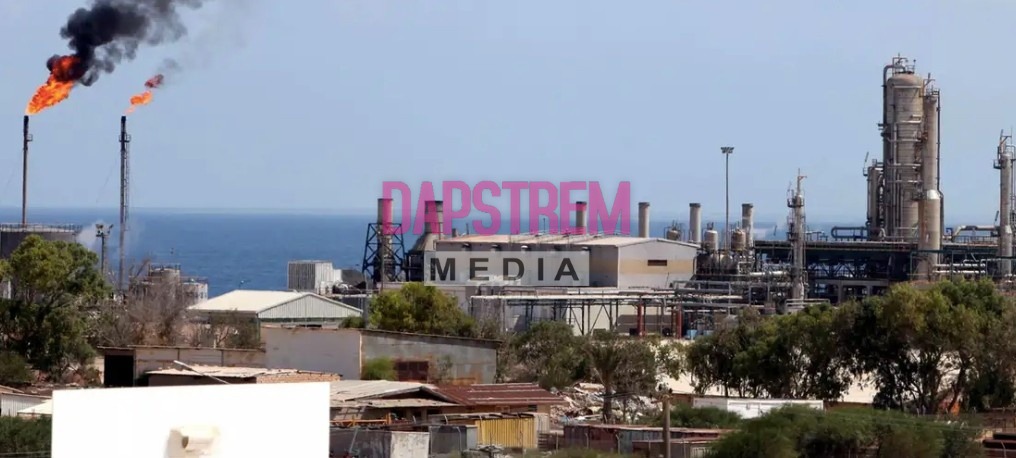
Libya holds some of Africa’s largest proven oil reserves and has historically depended heavily on petroleum revenues to finance government operations, public services and national development programmes.
Oil exports are therefore central to the country’s economic stability. Revenue generated from petroleum supports public spending, including salaries, infrastructure development and essential services. Any disruption to the legal export system can have serious consequences for the national economy.
However, Libya has faced years of political division, institutional fragmentation and insecurity following the 2011 uprising that ended Muammar Gaddafi’s rule. Rival political authorities, competing centres of power and the presence of armed groups have complicated efforts to establish consistent control over the country’s territory and economic resources.
The petroleum sector has not been immune to these challenges. Disputes over political authority, control of oil facilities and the management of public revenue have repeatedly affected production and exports.
In such an environment, the possibility of unauthorised petroleum sales creates additional risks. Oil can become a source of financing for powerful networks operating outside the country’s recognised economic and regulatory structures.
The international community has consequently maintained measures intended to prevent petroleum from being exported through channels that do not have the necessary legal authorisation.
The United Nations has repeatedly emphasised the importance of protecting Libya’s oil resources and ensuring that petroleum revenues are handled through legitimate national institutions.
Why the sanctions matter
The latest action against Aegean is significant because it demonstrates how the international community can target the vessels and commercial networks involved in suspected illegal oil exports.
Oil transportation depends on a wide network of services, including shipping companies, port operators, fuel suppliers, insurers, financial institutions and maritime service providers. Restricting access to these services can make it considerably more difficult for a sanctioned vessel to operate.
For example, a tanker that cannot legally enter ports or receive bunkering services may struggle to complete its planned voyages. Restrictions on petroleum-related financial transactions can also complicate payments and commercial arrangements connected to the cargo.
The measures are therefore not limited to preventing the vessel from loading oil. They are designed to disrupt several stages of the transportation and trading process.
The sanctions also send a message to other shipping operators that involvement in unauthorised petroleum exports can expose vessels to international restrictions. This may encourage companies to conduct more thorough checks on the origin of petroleum cargoes, the authority behind export arrangements and the parties involved in transactions.
For financial institutions, the decision reinforces the need to ensure that payments linked to Libyan oil exports follow recognised and authorised channels.
The wider objective is to reduce opportunities for illegal oil trading while protecting the integrity of Libya’s petroleum industry.
The role of the United Nations sanctions framework
The sanctions against Aegean are part of a framework established by the Security Council to address the unauthorised export of Libyan petroleum.
Resolution 2146, adopted in 2014, introduced measures allowing the international community to respond to vessels involved in illicit exports. Subsequent resolutions have amended and extended the framework as the situation in Libya has continued to evolve.
In April 2026, the Security Council unanimously adopted Resolution 2819, extending the relevant authorisations and measures until August 2027. The resolution maintained the international restrictions targeting illicit petroleum exports and extended the mandate of the Panel of Experts concerning Libya.
The framework allows the sanctions committee to designate vessels when the necessary conditions are met. Once listed, the affected ships become subject to restrictions that can prevent them from loading, transporting or discharging petroleum.
The measures also encourage cooperation between Libya and other countries. When information emerges about a vessel suspected of transporting illegally exported petroleum, the Libyan government is expected to contact the vessel’s flag state in the first instance to address the matter.
This cooperation is important because oil tankers frequently operate across international waters and may interact with ports and service providers in several countries. Enforcing restrictions therefore requires more than action by Libyan authorities alone.
Countries, maritime regulators, port operators and financial institutions all have a role to play in ensuring that sanctioned vessels do not continue operating through alternative arrangements.
Protecting Libya’s national resources
The decision also raises broader questions about the management of natural resources in countries experiencing political instability.
Libya’s oil wealth has the potential to support economic recovery, rebuild public institutions and improve living standards. However, those benefits depend on the ability of national institutions to manage the resources transparently and ensure that revenues reach the public treasury.
When petroleum is exported outside authorised channels, the country risks losing revenue that would otherwise support public programmes and national development.
Illicit exports can also weaken confidence in the country’s energy sector. International companies may become more cautious about investing in exploration, production, transportation and infrastructure if they face uncertainty over ownership, export rights and the security of commercial operations.
The situation can create a difficult cycle in which political instability encourages illegal economic activity, while the resulting loss of revenue makes it harder for the state to strengthen institutions and restore stability.
For Libya, preventing unauthorised oil exports is therefore not simply a matter of enforcing maritime regulations. It is also connected to economic recovery, political stability and the long-term management of national wealth.
Challenges facing enforcement
Although sanctions can place significant restrictions on a vessel, their effectiveness depends on how consistently they are implemented.
Ships can operate through complicated ownership structures, different shipping arrangements and international service networks. Identifying the individuals and companies behind suspicious transactions can therefore be difficult.
The involvement of several jurisdictions can also complicate enforcement. A vessel may be registered in one country, owned or operated through companies based elsewhere and receive services in another jurisdiction.
The fact that the UN listing identifies Aegean’s flag state as unknown illustrates the challenges associated with establishing clear information about vessels involved in international shipping activities.
Effective enforcement will require countries to exchange maritime intelligence, monitor suspicious cargo movements and ensure that ports and service providers comply with the restrictions.
Financial institutions will also need to remain alert to transactions that could be connected to unauthorised Libyan petroleum exports.
The sanctions framework provides an important mechanism, but it cannot independently resolve the political and institutional problems that have contributed to Libya’s difficulties in controlling its oil resources.
A wider warning to the international oil trade
The latest designation adds to the international effort to prevent Libya’s petroleum resources from being exploited through unauthorised channels.
For the global shipping industry, the decision reinforces the importance of checking the legal status of vessels and ensuring that petroleum cargoes are sourced and transported through legitimate arrangements.
Companies that ignore sanctions requirements could face serious commercial and legal consequences, depending on the jurisdictions in which they operate.
The action also demonstrates that the Security Council remains concerned about the potential links between illicit petroleum exports, armed groups and criminal networks.
Under Resolution 2819, the Security Council has highlighted the risk that illegal exploitation of crude oil and refined petroleum can provide support to armed groups and criminal networks. It has also encouraged financial institutions to ensure that payments for Libyan crude oil are routed through authorised accounts and banking channels.
This approach is intended to make the petroleum trade more transparent and reduce opportunities for money generated from oil sales to finance activities that undermine Libya’s stability.
What happens next?
The restrictions against Aegean will remain in force until November 24, 2027, unless the sanctions committee terminates the designation earlier.
During this period, the vessel is expected to remain subject to the restrictions imposed under the relevant Security Council resolutions. Countries and businesses operating within their jurisdictions are expected to respect the applicable measures.
The designation also places renewed attention on Libya’s efforts to protect its oil infrastructure and ensure that petroleum exports are conducted through authorised institutions.
For Libyan authorities, the wider challenge will be to strengthen oversight of oil facilities, improve coordination among national institutions and ensure that all legitimate petroleum revenues are properly accounted for.
For the international community, the priority will be to maintain cooperation in monitoring vessels, identifying suspicious shipments and preventing illegal transactions from passing through the global oil market.
Ultimately, the sanctions against Aegean represent another step in the international campaign to protect Libya’s petroleum resources from unauthorised exploitation. However, lasting progress will depend on stronger national institutions, effective enforcement and a political environment that allows the country to manage its natural wealth in the interests of its people.
As Libya continues to confront the consequences of years of political division, protecting its oil sector remains essential to its economic future. The latest UN action is a reminder that the country’s natural resources must be managed through transparent and lawful systems if they are to contribute meaningfully to stability and national development.