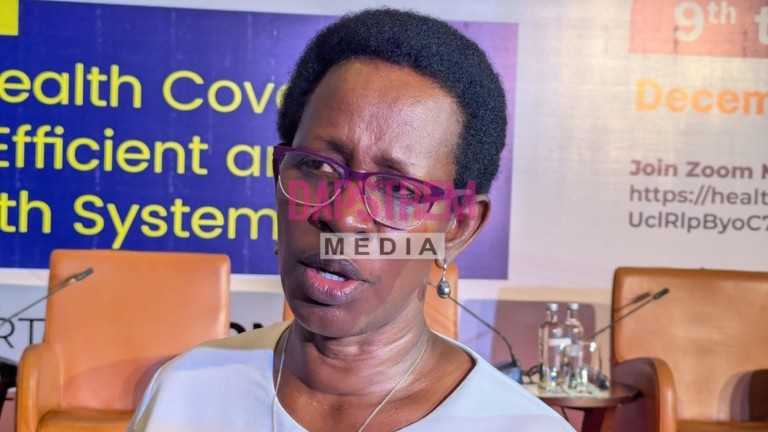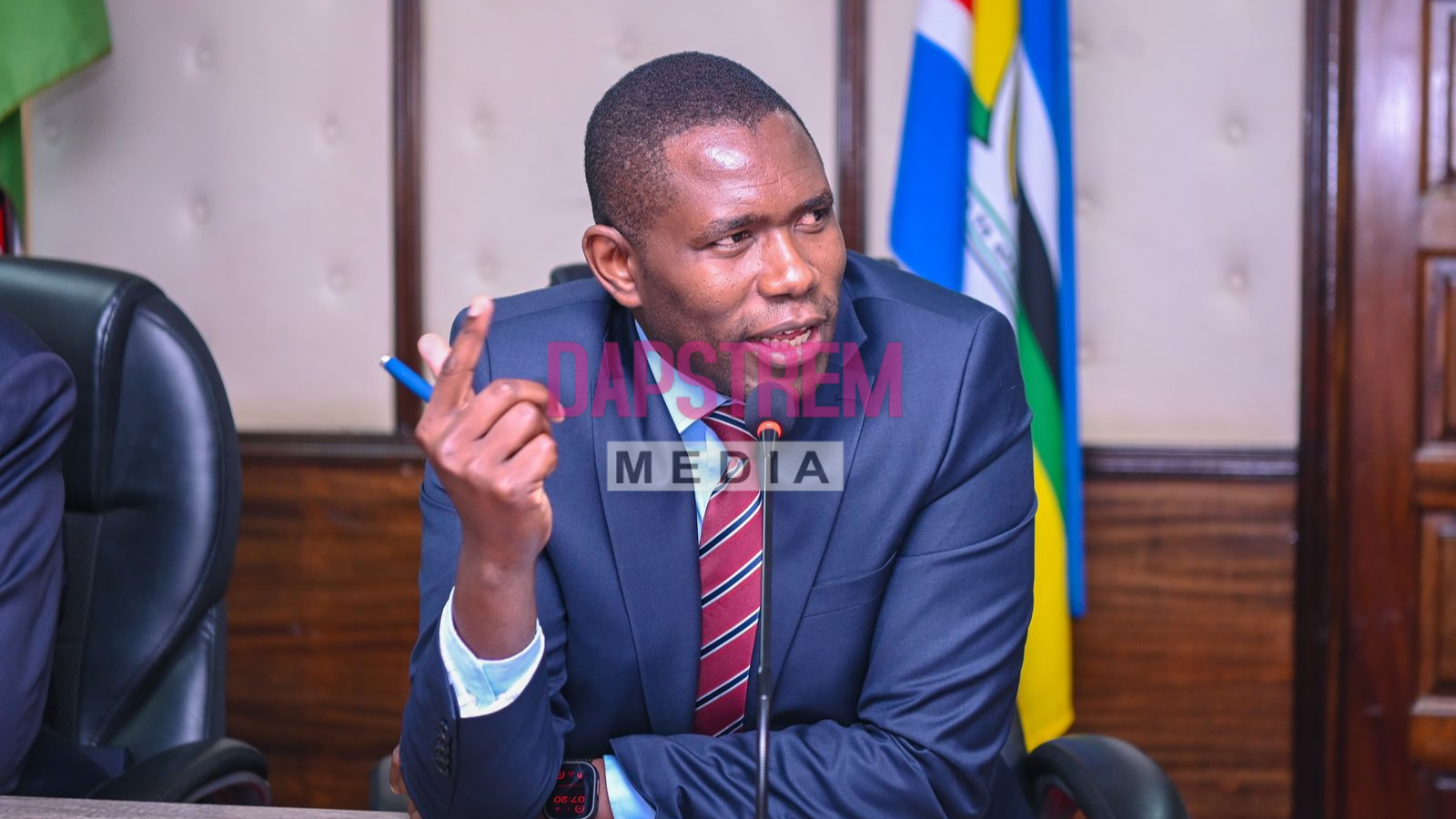
A fresh confrontation has erupted between county governments and the national Ministry of Health after governors directed public hospitals to ignore Principal Secretary for Medical Services Ouma Oluga’s order to remove payment Paybill numbers from health facilities.
The Council of Governors (CoG), led by its chairperson Muthomi Njuki, said county hospitals should retain their payment channels, arguing that the directive undermines the constitutional powers of county governments to manage health facilities and collect fees for services not covered by the Social Health Authority (SHA).
In a statement issued on Monday, November 23, Njuki maintained that while governors supported efforts to eliminate unnecessary out-of-pocket payments, hospitals must retain lawful mechanisms for recovering costs associated with services excluded from SHA coverage.
The dispute follows Oluga’s directive on Sunday, November 22, instructing SHA compliance officers to inspect public hospitals nationwide and remove their Paybill numbers.
Speaking during an engagement with health officials and SHA compliance officers at Vihiga Teaching and Referral Hospital, Oluga argued that public hospitals should not impose additional financial burdens on patients, particularly low-income households.
He cited the example of small-scale traders whose businesses could collapse after being asked to raise tens of thousands of shillings for medical treatment.
Oluga questioned how a woman operating a small food business with working capital below Sh30,000 could survive after receiving a hospital bill of Sh50,000.
He insisted that eligible medical services should be financed through SHA rather than forcing patients to make additional payments at health facilities.
However, the governors argued that the directive overlooks important limitations within the national health insurance scheme.
The Council noted that SHA operates under specific benefit packages, approved tariffs, eligibility requirements and coverage limits. Consequently, registration with the scheme does not automatically guarantee that every medical procedure or specialised treatment will be fully funded.
Njuki identified exhausted benefits, excluded treatments, co-payments and specialised interventions as some of the areas where patients or alternative financing arrangements may still be required.
The governors also raised concerns over delayed reimbursements and outstanding claims owed to county hospitals, warning that removing payment channels without addressing these financial gaps could threaten the sustainability of public healthcare facilities.
They further questioned the authority of the Principal Secretary to issue unilateral instructions to county institutions, arguing that the Constitution and the Public Finance Management Act give county governments responsibility for managing their health facilities and determining applicable fees and charges.
Njuki called on Oluga to engage governors through established intergovernmental consultation structures rather than issuing directives that could interfere with devolved functions.
The disagreement exposes growing tensions over the implementation of SHA, which replaced the National Hospital Insurance Fund (NHIF) in October 2024 as part of the government’s push towards universal health coverage.
At the centre of the dispute is how to balance affordable healthcare for Kenyans with the financial sustainability of public hospitals.
While the national government maintains that patients should not pay twice for services covered by SHA, governors insist that hospitals must have mechanisms to finance treatments and services outside the scheme.
The Ministry of Health is yet to publicly respond to the Council of Governors‘ latest position.
The standoff now raises questions about whether county hospitals will continue retaining their Paybill numbers and how the two levels of government will resolve their differences without disrupting healthcare services.