Uganda Suspends Concerts and Rallies in 34 Districts Over Ebola Threat
Uganda has suspended concerts, festivals, political rallies and other public gatherings in 34 high-risk border districts as the government intensifies efforts to prevent Ebola from spreading from the Democratic Republic of Congo (DRC).
The restrictions were announced by the Ministry of Health on Thursday, November 19, 2026, and took immediate effect.
Under the new directives, organisers will not be allowed to hold public gatherings in the affected districts without obtaining written clearance from the Ministry of Health.
The measures are part of an expanded response targeting cross-border movement, particularly through unofficial entry points, which authorities consider a potential route for importing the virus into Uganda.
Returning Ugandans Face Mandatory Health Assessments
The Ministry of Health has also introduced additional screening and monitoring requirements for Ugandans returning from the DRC.
All returning citizens with a history of travel to the neighbouring country will undergo mandatory health risk assessments and may be placed under 21 days of quarantine or monitored self-isolation.
Humanitarian workers intending to cross the border must first obtain clearance from the Director General of Health Services.
The government has also warned that individuals involved in illegal border crossings, including those facilitating unauthorised movement, could face prosecution or penalties under the law.
Schools and Airports Face Additional Restrictions
The new measures also affect schools, transport operators, hotels and other public facilities.
Day scholars will not be permitted to move between the DRC and Uganda within the designated high-risk districts.
Boarding students with possible exposure to Ebola will be required to complete 21 days of quarantine in designated facilities before returning to school.
At Entebbe International Airport, authorities have strengthened screening procedures, with passengers required to complete locator forms before boarding to support contact tracing.
Hotels and accommodation facilities have also been directed to maintain accurate guest records and verify visitors using valid identification documents.
Meanwhile, schools, health facilities, transport terminals, places of worship and other public venues have been instructed to provide handwashing facilities and observe infection prevention measures.
Why Uganda Is Tightening Ebola Controls
According to the Ministry of Health, increased movement across the Uganda-DRC border, including through unofficial crossing points, has raised concerns about the possibility of importing Ebola.
Uganda is seeking to prevent another outbreak after recording 20 confirmed cases during an earlier outbreak between May and June 2026.
Although the country subsequently declared that outbreak over, continued transmission in the DRC has prompted authorities to strengthen surveillance and preparedness.
The World Health Organisation has also raised concerns about the regional risk posed by the ongoing outbreak.
Regional Concern as Neighbouring Countries Strengthen Surveillance
Uganda’s latest measures highlight the importance of regional cooperation in responding to infectious disease threats.
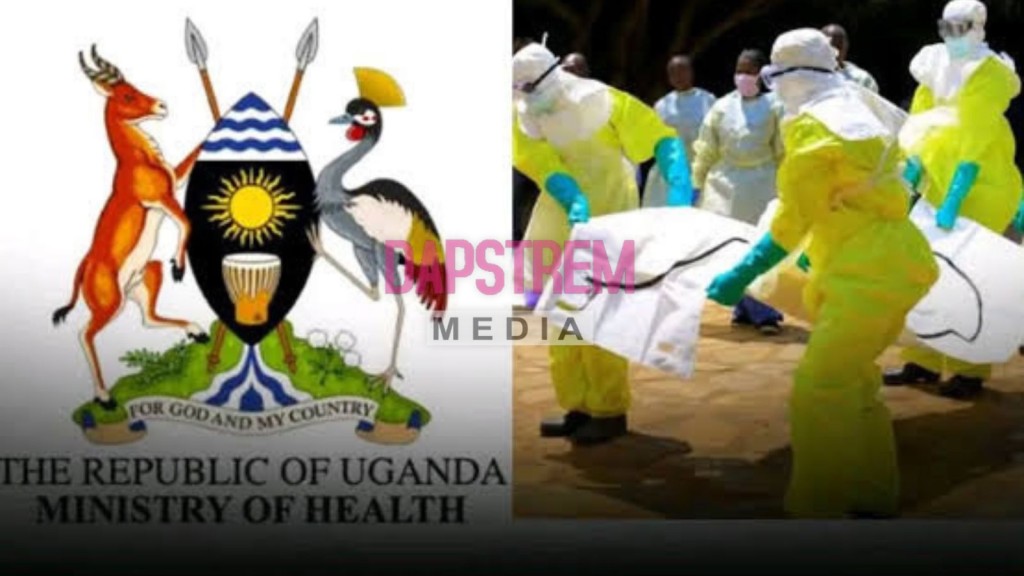
Countries sharing borders and transport connections with the DRC face the challenge of monitoring cross-border movement while strengthening public health preparedness.
For Kenya and other East African countries, developments in Uganda remain significant because people regularly travel across the region for business, education and other activities.
Ugandan authorities have urged residents to follow official health guidance, maintain proper hygiene and report suspected cases to the nearest health facility.
The Ministry of Health says the restrictions will remain in place as authorities continue monitoring the situation.