WHO Gives Kenya Reassuring Ebola Update
The World Health Organization (WHO) has reassured Kenyans that there is no evidence of an ongoing Ebola outbreak in the country following confirmation of one imported case.
The update comes as health authorities continue monitoring people who may have been exposed to the virus and strengthen surveillance to detect any possible additional infections.
Dr Martins Chibueze, WHO Kenya’s Head of Health Emergencies, said individuals who developed symptoms and underwent testing had received negative results. He made the remarks during an interview on Citizen TV’s Daybreak programme on Wednesday, October 14.
The announcement offers reassurance amid public concern following the confirmation of Kenya’s first imported case of Bundibugyo virus disease, a form of Ebola disease.
However, health officials continue to emphasise the importance of monitoring contacts and maintaining readiness to respond if another suspected case emerges.
How Kenya Recorded Its First Imported Ebola Case
According to the Ministry of Health and WHO, Kenya confirmed its first imported case of Bundibugyo virus disease on October 6, 2026.
The patient was a Kenyan citizen who had been living in the Democratic Republic of the Congo (DRC), where the regional outbreak was ongoing.
The patient became ill while in the DRC, received treatment at several health facilities and later travelled through Uganda before arriving in Nairobi on October 3.
After arriving in Kenya, the patient was taken to hospital and isolated. Laboratory tests conducted by the National Virology Reference Laboratory and the Kenya Medical Research Institute confirmed the infection.
Despite receiving supportive medical care, the patient died on October 5. A safe and dignified burial was conducted in line with public health protocols.
The case prompted health authorities to begin contact tracing and follow-up procedures to identify people who may have been exposed during the patient’s journey and treatment.
Health Officials Continue Monitoring Contacts
Although WHO says there is no evidence of an ongoing outbreak in Kenya, contact tracing remains a key part of the country’s response.
Health officials are monitoring identified contacts and strengthening disease surveillance to help detect possible infections early.
The Ministry of Health has also been working with WHO and other partners to improve laboratory testing, preparedness at points of entry and the capacity of health facilities to handle suspected cases.
In an update published on October 12, WHO said Kenya had listed 127 contacts linked to the confirmed case, with 94 in quarantine. The agency also reported that more than 665,000 travellers had been screened at points of entry as part of wider preparedness measures.
These figures reflect the response at the time of that update and may change as authorities complete follow-up activities.
Contact tracing helps health teams identify people who may have been exposed and assess whether further testing or monitoring is needed.
What Kenyans Should Know About Bundibugyo Ebola
Bundibugyo virus disease is caused by the Bundibugyo virus, one of the viruses that can cause Ebola disease.
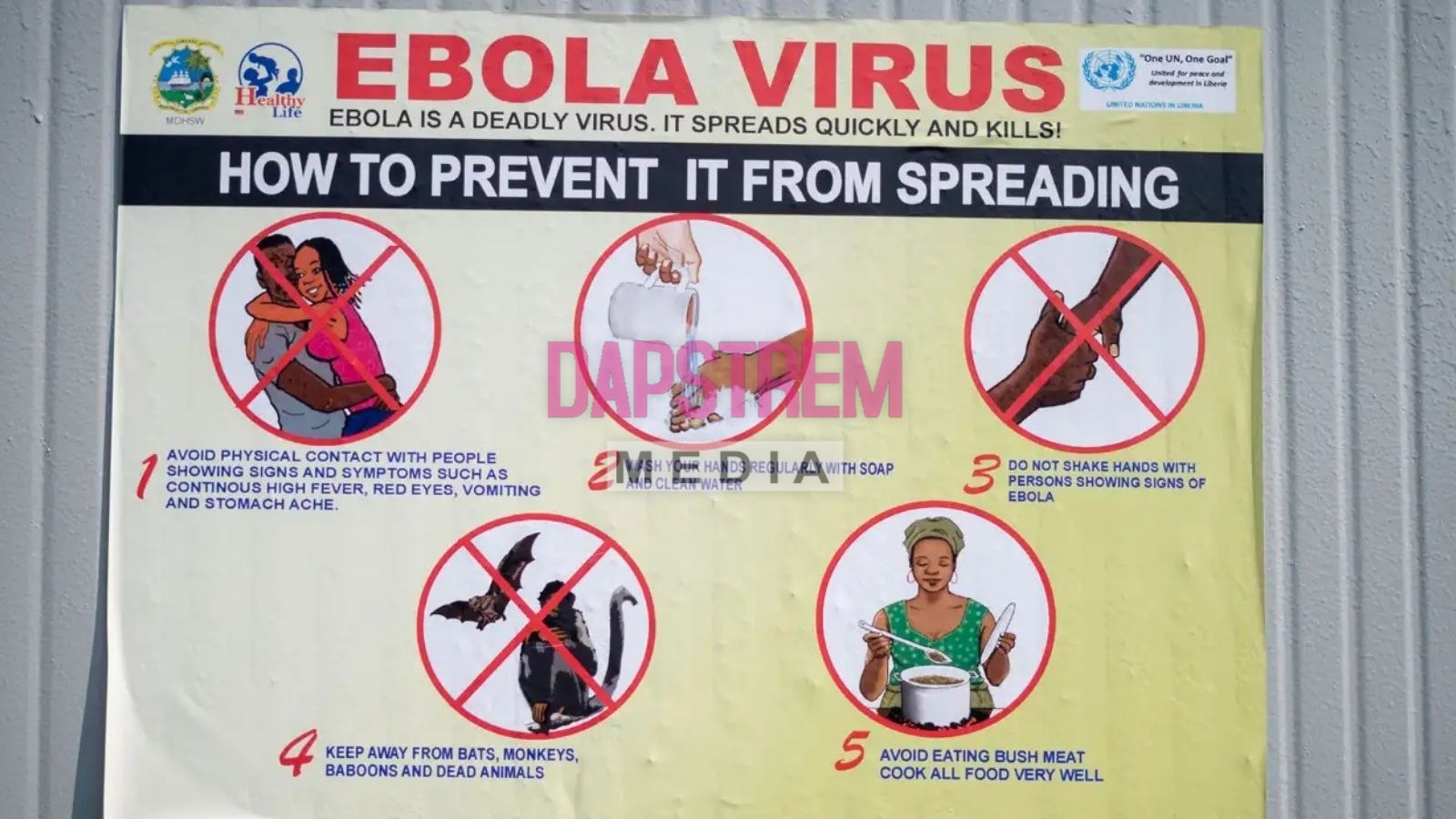
It can spread through direct contact with the blood or other body fluids of an infected person, as well as contaminated materials. It is not spread simply because someone lives in the same country as a confirmed patient.
WHO and Kenya’s Ministry of Health have continued to strengthen public health measures following the imported case.
The agencies have also urged the public to rely on verified updates rather than rumours circulating on social media.
Anyone who believes they may have been exposed to a suspected case should seek guidance from health professionals and follow official public health instructions.
WHO Supports Kenya’s Preparedness Efforts
WHO has been working with the Kenyan government to support surveillance, contact tracing, laboratory coordination and infection prevention measures.

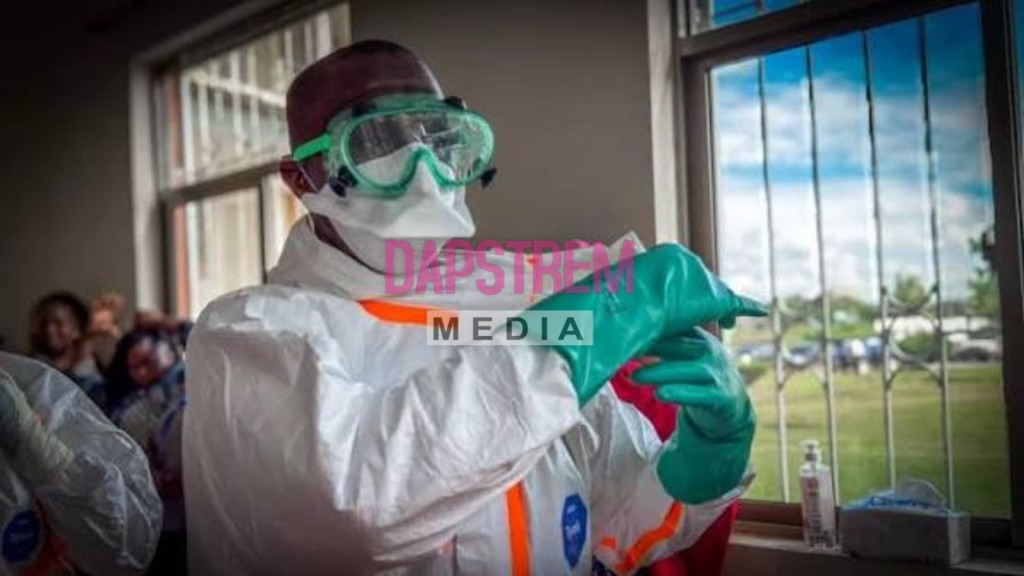
The agency has also supplied essential medical equipment and materials to help protect frontline health workers and strengthen the country’s response capacity.
Kenya’s preparedness efforts include training health workers, identifying isolation facilities and improving the ability to investigate suspected infections.
These measures are intended to help authorities respond quickly if another case is detected.
WHO has also advised against imposing travel or trade restrictions on Kenya based on the information currently available.
Kenya Remains on Alert as Monitoring Continues
The latest WHO statement distinguishes between a single imported case and evidence of an outbreak spreading within the country.
While the confirmed case raised concerns and triggered a public health response, the organisation says current evidence does not indicate an ongoing Ebola outbreak in Kenya.
Health authorities will continue monitoring contacts, investigating suspected cases and updating the public as new information becomes available.
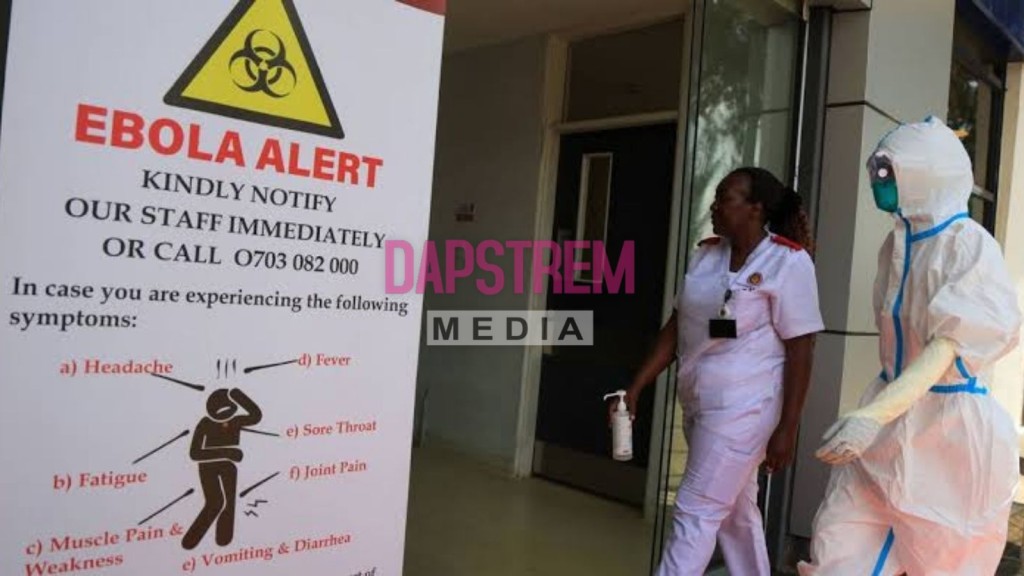
For Kenyans, the main message is to remain calm, follow official health guidance and avoid spreading unverified claims. Continued surveillance remains important while the response teams complete their work.
The bottom line: WHO says there is currently no evidence of an ongoing Ebola outbreak in Kenya following the imported case, but health authorities are maintaining surveillance and contact monitoring as a precaution.