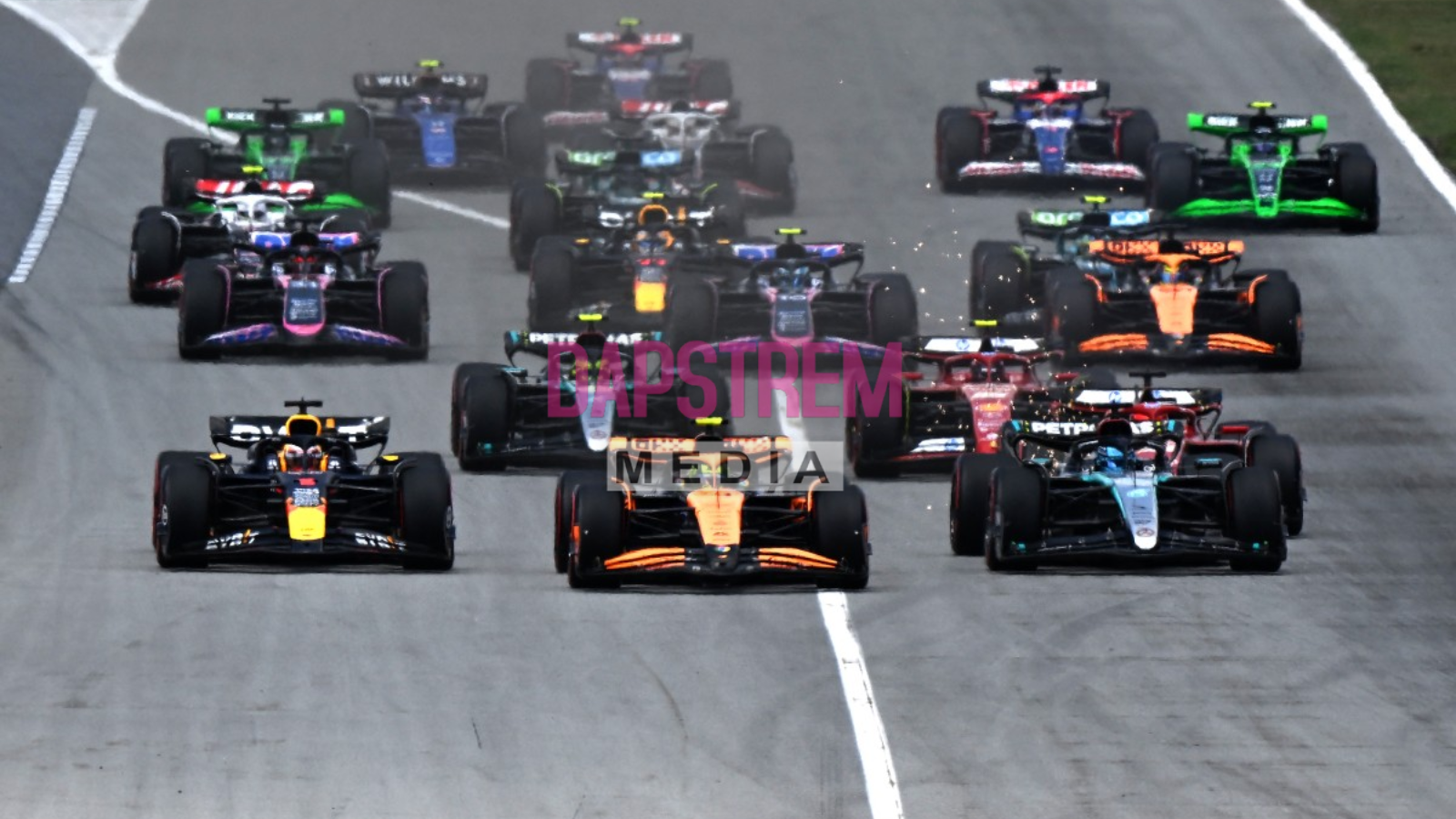
Formula One has signed a landmark 10-year agreement with Rwanda to bring the world’s premier motorsport championship back to Africa, ending a 33-year absence from the continent and positioning the East African nation as a new destination on the global racing calendar.
The agreement, announced on Tuesday in Kigali, will see Rwanda host the Formula One African Grand Prix from the early 2030s, subject to the completion of a purpose-built circuit in Bugesera, approximately 40 kilometres south of the capital.
The announcement was made at an event attended by Rwandan President Paul Kagame, Formula One President and Chief Executive Officer Stefano Domenicali, and International Automobile Federation (FIA) President Mohammed Ben Sulayem.
The deal marks a significant milestone for Formula One, which last raced on African soil at the 1993 South African Grand Prix at Kyalami.
Although the exact date of the inaugural Rwandan race has not been confirmed, the agreement represents the culmination of years of negotiations and Rwanda’s efforts to establish itself as a major destination for international sporting events.
Formula One said the partnership reflects its ambition to return to Africa through a long-term commitment designed to deliver economic and social benefits beyond the race weekend.
Kagame hails historic moment for Africa
President Kagame welcomed the agreement, describing it as an opportunity for Rwanda and the wider continent to participate more prominently in one of the world’s most commercially successful sporting competitions.
He said the partnership would extend beyond hosting a Grand Prix, with the proposed circuit expected to support employment, skills development, tourism and business investment.
Kagame also highlighted the opportunity for young Africans to see themselves represented in motorsport, not only as spectators but also as engineers, technicians, entrepreneurs and potential professional drivers.
The Rwandan government has increasingly pursued international sporting partnerships as part of its strategy to attract visitors, strengthen its global profile and encourage investment.
The country has previously invested in partnerships with international football clubs, including Arsenal and Paris Saint-Germain, while Kigali hosted the UCI Road World Championships in 2025.
Hosting Formula One would represent another major step in that strategy, bringing international media attention and potentially attracting visitors from across Africa and beyond.
However, the long-term benefits will depend on how effectively Rwanda translates the international exposure into sustainable economic opportunities for local communities.
New circuit planned near Kigali’s international airport
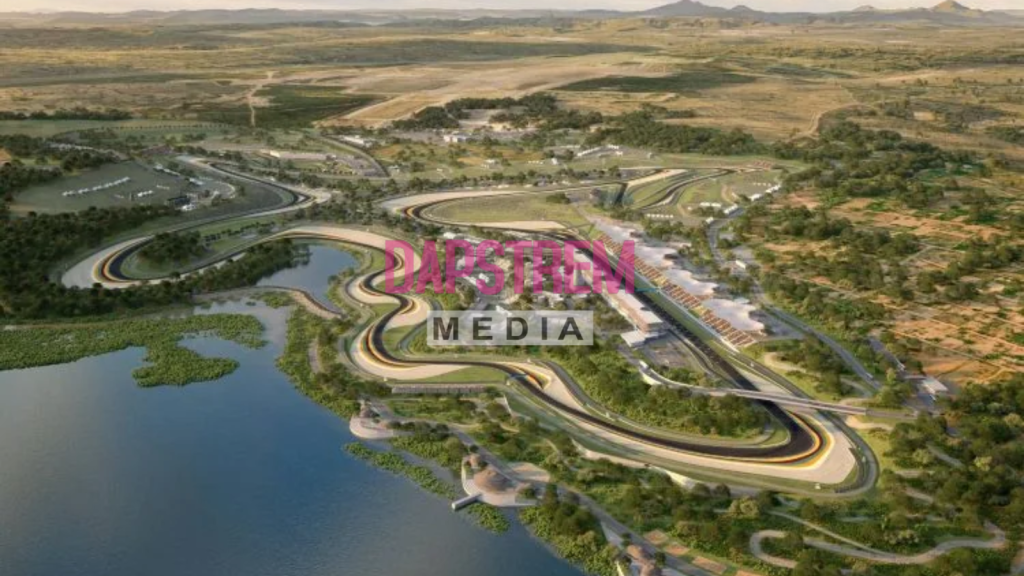
Under the agreement, the African Grand Prix will be held at a new circuit in Bugesera, an area approximately 40 kilometres south of Kigali and close to the new Kigali International Airport.
The facility will be purpose-built to meet FIA Grade 1 standards, the highest circuit classification required to host Formula One races.
The circuit’s design is being developed with the involvement of former Formula One driver Alex Wurz and his design company, WurzDesign, alongside Tilke Engineers and Architects, which has worked on several international racing venues.
According to Formula One, the proposed layout will incorporate the area’s natural elevation changes to create a challenging racing experience.
The project forms part of a wider development plan led by the Rwanda Development Board, linking motorsport infrastructure with tourism, commercial investment and transport development.
The proximity to the new airport is expected to improve access for international visitors, racing teams, sponsors and equipment suppliers.
Nevertheless, construction timelines, infrastructure readiness and the costs of delivering a circuit that meets Formula One’s technical and operational requirements remain important considerations before the first race can take place.
Formula One has said further details on the inaugural race date, circuit development milestones and race-weekend arrangements will be announced in due course.
Lewis Hamilton’s long campaign for an African race
The announcement is also a major development for seven-time world champion Lewis Hamilton, who has repeatedly called for Formula One to return to Africa.
Hamilton, the sport’s only Black driver, has argued that Africa’s absence from the calendar is difficult to justify when the championship stages races across other inhabited continents.
The British driver has previously spoken about his efforts to encourage Formula One’s leadership to consider an African venue, identifying Rwanda and South Africa among the potential destinations.
The Rwandan agreement fulfils a long-standing ambition for Hamilton and other advocates who believe an African Grand Prix would improve the sport’s geographical representation and provide greater opportunities for young people on the continent.
Formula One estimates that Africa is home to more than 100 million fans, making the continent an important potential market for audience growth and commercial expansion.
For aspiring African drivers, however, the significance of the race will depend on whether the investment also supports karting, grassroots motorsport, driver development and access to technical training.
Hosting a Grand Prix does not automatically produce a professional racing pathway, but the event could create a platform for developing those opportunities if investment extends beyond the circuit itself.
Why Rwanda won the race to host Formula One
Rwanda’s successful bid follows several years of discussions with Formula One and the FIA about bringing the championship back to Africa.
The government formally presented its ambitions in December 2024, when Kagame announced Rwanda’s interest during the FIA’s annual meetings in Kigali.
Since then, the country has worked to demonstrate its capacity to host major international sporting events, supported by investment in tourism, infrastructure and event management.
Formula One chief executive Domenicali described the agreement as a landmark moment, saying the sport had sought a partner capable of delivering a world-class race with a lasting impact.
The agreement also means Formula One will stage races on every inhabited continent, reinforcing its position as a global championship.
Rwanda’s selection comes amid competition from other African destinations, particularly South Africa, which has also pursued a return to the calendar.
South Africa has historical ties to Formula One through the Kyalami circuit, which last hosted a Grand Prix in 1993. Its bid has remained a subject of public discussion, and the announcement of Rwanda’s deal does not necessarily rule out future African races elsewhere.
For now, however, Rwanda has secured the formal 10-year agreement and a clear pathway towards hosting the championship.
Economic promise comes with scrutiny
The agreement has generated excitement over the prospect of increased tourism, international investment and employment. It has also prompted questions about the financial commitments required to stage Formula One and how the benefits will be distributed.
Building and maintaining a Grade 1 circuit, upgrading supporting infrastructure and meeting the operational demands of a Grand Prix can involve substantial expenditure.
Formula One and Rwanda have emphasised the potential for the project to generate long-term economic and social benefits, but detailed public figures on the total cost of the circuit and the financial terms of the agreement have not been announced.
Critics have also questioned Rwanda’s use of high-profile sporting partnerships to strengthen its international image amid allegations of human-rights abuses and restrictions on political opposition.
The criticism reflects a wider debate about sportswashing: the use of major sporting events and sponsorships to improve a country’s reputation while drawing attention away from political controversies.
Rwanda has defended its development strategy and presented international sporting events as opportunities to create jobs, attract investment and raise its global profile.
The key question will be whether the Formula One agreement delivers measurable benefits for Rwandans, including local employment, skills transfer, tourism revenue and opportunities for domestic businesses.
Transparency over public expenditure, project financing and the distribution of economic returns will be central to assessing the partnership’s long-term value.
What the deal means for African motorsport
Formula One’s return to Africa is more than a new addition to the racing calendar. It creates an opportunity to expand motorsport infrastructure and encourage a stronger regional industry involving engineering, hospitality, logistics and event management.
For East Africa, the race could provide a major international platform and encourage neighbouring countries to invest in grassroots motorsport and technical training.
However, meaningful development will require more than a single annual event. Sustainable progress would depend on accessible entry-level competitions, training programmes, affordable racing facilities and partnerships that allow African talent to progress through the sport.
The project could also stimulate regional tourism by encouraging visitors to combine the Grand Prix with other destinations and attractions across East Africa.
Whether those opportunities materialise will depend on implementation, investment and the extent to which local communities participate in the economic activity generated by the race.
A new chapter for Formula One
For Formula One, Rwanda offers an opportunity to return to a continent that has been absent from the championship for more than three decades.
For Rwanda, the agreement is a high-profile investment in its ambitions to become a hub for international sport, tourism and business.
The challenge now is to transform the announcement into a completed circuit and a sustainable event capable of attracting global audiences while delivering tangible local benefits.
With the inaugural race expected in the early 2030s, significant work remains before engines roar in Bugesera. Yet the 10-year agreement has established a clear direction for the championship’s return.