
Electricity Prices Rise in Kenya in October 2026
Kenyan households and businesses are set to face higher electricity costs in October 2026 after the Energy and Petroleum Regulatory Authority (EPRA) announced additional charges amounting to approximately KSh 4.10 per kilowatt-hour (kWh).
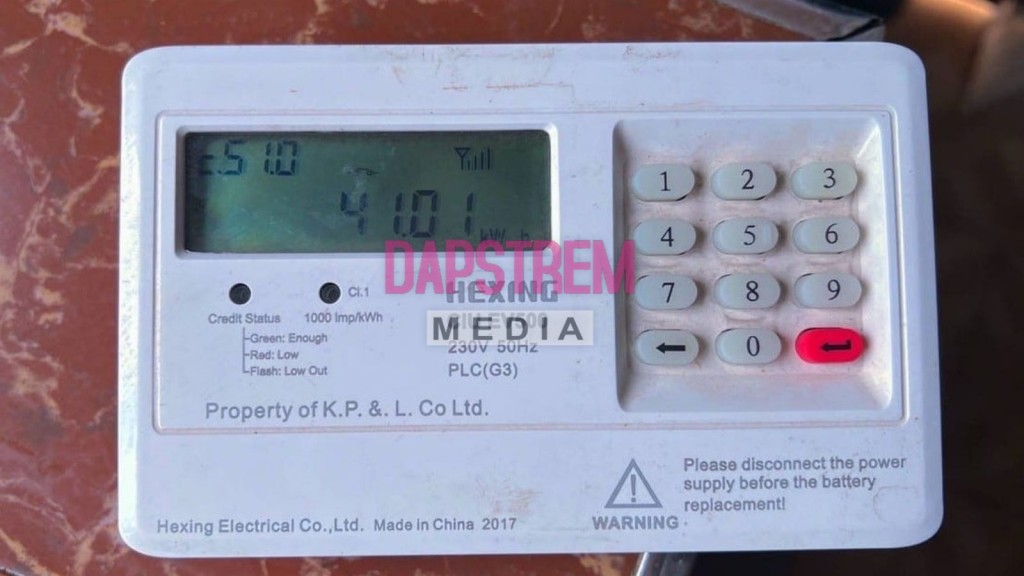
The adjustments were announced through three separate notices published in the Kenya Gazette on October 9, 2026. They cover fuel energy costs, foreign exchange fluctuations and a water resource management levy. Together, the charges add approximately KSh 4.10 for every unit consumed, before other applicable billing components and taxes.
The increase comes as households continue to manage spending on essential services, while businesses must account for electricity among their operating expenses.
Breakdown of the KSh 4.10 Electricity Increase
The additional electricity charges consist of three components, with the fuel energy cost charge accounting for the largest share.

1. Fuel Energy Cost Charge
EPRA set the fuel energy cost charge at KSh 3.22 per unit for electricity meter readings taken in October 2026.
This charge reflects costs associated with fuel used to generate electricity, particularly at thermal power plants that rely on diesel and other fuels. Changes in fuel prices and the cost of operating these plants can affect the amount passed on to consumers.
Because fuel costs account for most of the latest adjustment, this component is the biggest contributor to the October increase.
2. Foreign Exchange Adjustment
The second component is a foreign exchange fluctuation adjustment of KSh 0.87 per unit.
Electricity generation and supply involve costs that may be affected by movements in exchange rates, including payments linked to power purchase agreements denominated in foreign currencies.

When currency movements increase the costs borne by electricity-sector companies, the adjustment mechanism allows specified costs to be reflected in consumer bills.
EPRA’s notice states that this adjustment applies to meter readings taken in September 2026, while the fuel energy cost charge applies to October readings.
3. Water Resource Management Levy
The third component is a Water Resource Management Authority (WRMA) levy of 1.34 cents per unit, equivalent to KSh 0.0134.
The levy relates to electricity sourced from qualifying hydropower plants and is calculated under the applicable tariff rules.
Although the amount is much smaller than the fuel and foreign exchange charges, it contributes to the combined adjustment announced for the billing period.
The three components add up to approximately KSh 4.10 per unit consumed.
How the Electricity Increase Could Affect Households
The impact of the latest electricity adjustment will vary depending on how much power a household uses and the charges applicable to its account.
For illustration, the additional KSh 4.10 charge can be multiplied by the number of units consumed to estimate the effect before other billing components.
-
10 units: approximately KSh 41 extra.
-
20 units: approximately KSh 82 extra.
-
30 units: approximately KSh 123 extra.
-
50 units: approximately KSh 205 extra.
-
100 units: approximately KSh 410 extra.
These figures are estimates based on the combined adjustment alone. They are not the total electricity bill or the final price of prepaid tokens, which can include other tariff components, taxes and applicable charges.
Households that consume more electricity could therefore experience a larger additional cost than those using fewer units.
Businesses May Face Higher Operating Costs
The electricity increase may also affect shops, restaurants, salons, offices, manufacturers and other businesses that depend on consistent power supply.
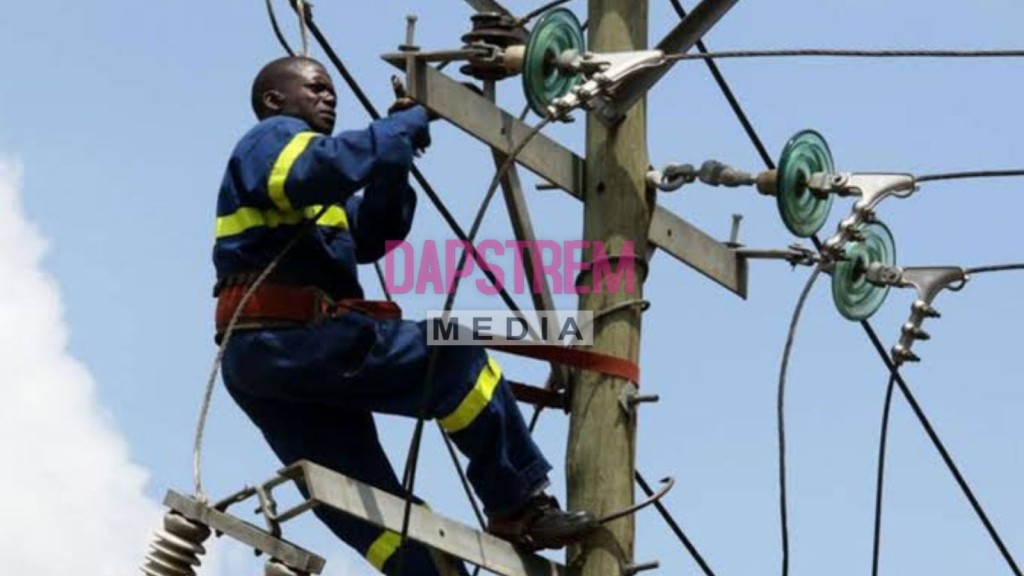
Businesses that use electricity for refrigeration, lighting, machinery and equipment may need to account for the additional cost when preparing their monthly budgets.
Some businesses may absorb the increase, while others could review their operating expenses and prices. The extent of the impact will depend on electricity consumption, business activity and the ability to manage additional costs.
For small enterprises working with tight budgets, even relatively modest increases per unit can become significant when consumption is high.
What Kenyans Should Know About the New Charges
The latest announcement concerns additional monthly cost adjustments and should not automatically be interpreted as a complete revision of every base electricity tariff.
The KSh 4.10 figure represents the combined effect of the three specified adjustments. The actual amount paid by an individual consumer will depend on consumption and other applicable charges.
Consumers can review their electricity usage and billing information to understand how the adjustments affect their accounts. Businesses can also use their recent consumption records to estimate potential changes in monthly expenses.
Electricity Costs Remain a Concern for Consumers
EPRA’s October 2026 adjustments mean Kenyan electricity consumers will face additional costs of approximately KSh 4.10 per unit under the announced charges.
The fuel energy cost charge contributes KSh 3.22, the foreign exchange adjustment adds KSh 0.87, and the water resource management levy contributes KSh 0.0134 per unit.
While the increase will not affect every household or business equally, the overall impact will depend on how much electricity is consumed and the other charges included in the bill.
As the new adjustments take effect, electricity expenses are likely to remain an important consideration for households planning monthly budgets and businesses managing operating costs.