KWS Reveals What Killed Two Hippos at Lake Naivasha as Wildlife Health Concerns Emerge
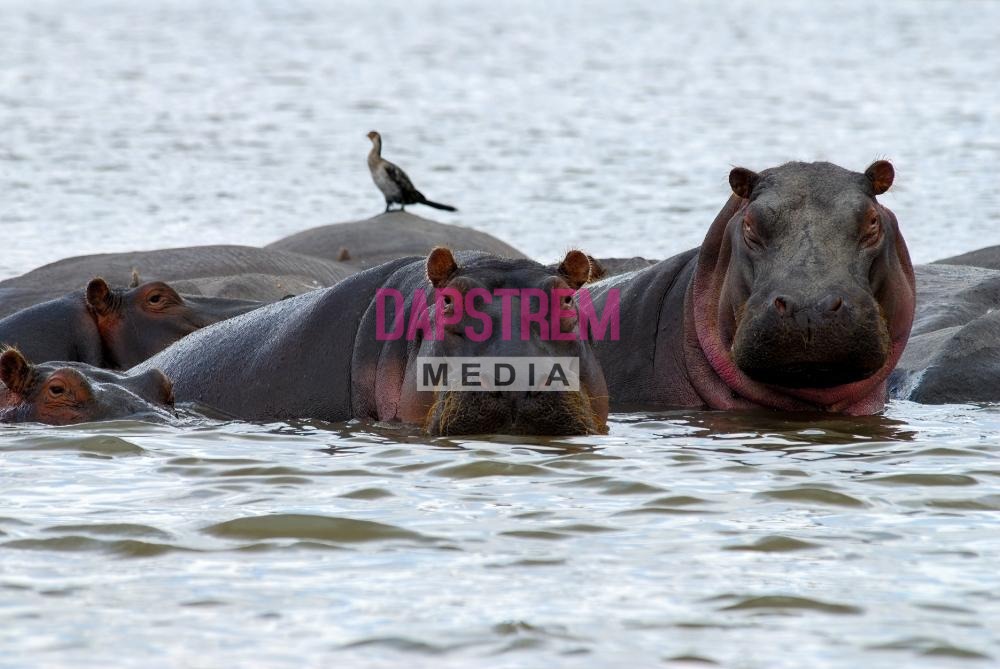
The Kenya Wildlife Service (KWS) has revealed the cause of death of two hippopotamuses found dead at Lake Naivasha, bringing attention to the health of wildlife and the environmental challenges facing one of Kenya’s most important freshwater ecosystems.
The discovery of the two dead hippos raised concerns among residents, conservationists and other stakeholders who rely on the lake for tourism, fishing and other economic activities. Hippos are among the most recognisable animals at Lake Naivasha, and their deaths naturally attracted attention, particularly because of the importance of the lake as a wildlife habitat.
The incident also highlights the responsibility of wildlife authorities to investigate unusual animal deaths, establish their causes and take appropriate measures to protect other animals in the affected ecosystem.
The postmortem findings established that the two animals did not die from the same cause. One, a sub-adult female, died after swallowing discarded synthetic fishing nets that blocked its digestive system. The other, an adult female, suffered severe stomach bloating after consuming excessive maize stalks, which caused pressure on its lungs and eventually led to cardiopulmonary failure.
These findings have shifted attention from the initial fears of possible poisoning to the dangers posed by human activities around the lake. They also raise serious questions about waste disposal, fishing practices and the interaction between wildlife and communities living around Lake Naivasha.
Fishing nets found inside one of the hippos
According to KWS, the first animal was a sub-adult female hippopotamus whose postmortem examination revealed a compacted mass of discarded synthetic fishing nets inside its digestive system.
The nets had accumulated at the gastroduodenal junction, the point where the stomach connects to the small intestine. Their presence caused a complete physical obstruction, preventing the normal movement of food through the digestive tract.
This type of blockage can have devastating consequences for an animal because it interferes with digestion and the normal functioning of the body.
KWS attributed the animal’s death to cardiopulmonary failure, hypovolemic shock and endotoxemia resulting from the obstruction. These are serious medical complications that can develop when the body experiences severe internal distress.
The discovery is particularly concerning because fishing nets are materials introduced into the environment through human activities. When discarded carelessly, they can become dangerous waste that threatens wildlife long after fishermen have finished using them.
Hippos spend much of their time in water, making it possible for them to encounter discarded fishing equipment while moving through their natural habitat. If such materials are swallowed, they can become trapped in the digestive system and cause serious injuries or death.
The incident demonstrates that pollution does not only affect water quality. Solid waste, particularly synthetic materials that do not easily break down, can directly threaten animals that depend on aquatic environments for survival.
It also raises questions about how fishing equipment is collected, stored and disposed of around Lake Naivasha. Proper waste management is necessary to ensure that fishing activities do not unintentionally expose wildlife to dangerous materials.
Excessive maize stalks caused severe bloating in the second hippo
The second animal, an adult female hippopotamus, died under different circumstances.
Veterinary examinations revealed massive gas accumulation inside its multi-chambered stomach, resulting in a condition known as acute gastrointestinal bloat.
KWS explained that the animal had consumed excessive maize stalks, which were found among the stomach contents. The material may have contributed to dietary overload and excessive fermentation, leading to the accumulation of gas.
As the stomach became severely distended, it pushed the animal’s diaphragm forward into the chest cavity. This placed significant pressure on the lungs, interfering with the animal’s ability to breathe normally.
The pressure eventually contributed to respiratory distress and cardiopulmonary failure.
The findings show how inappropriate or excessive food materials can become dangerous to wildlife, even when those materials originate from ordinary agricultural activities.
Maize is widely grown in Kenya, and agricultural activities take place in many areas surrounding wildlife habitats. Crop residues and other farm materials can sometimes become accessible to animals moving outside their usual feeding grounds.
However, the findings do not establish that farmers deliberately fed the hippo maize stalks. Rather, KWS identified the material in the animal’s stomach and explained how it may have contributed to the fatal bloating.
The case highlights the need to understand how human activities around wildlife habitats can expose animals to food sources that may not be suitable for them.
Residents had raised concerns over several hippo deaths
The postmortem findings followed growing concern among residents and fishermen after several hippo carcasses were reported around Lake Naivasha.
The matter attracted public attention after two hippos were discovered lying unresponsive along the shoreline near Kamere Beach on October 27, 2026.
Images and videos circulating online showed the animals struggling to lift themselves before eventually collapsing. Their condition raised fears among residents, who wanted authorities to establish what was happening.
The deaths were particularly worrying because hippos are among the most familiar animals in the Lake Naivasha ecosystem. Their presence is also an important part of the area’s wildlife tourism appeal.
Some residents initially suspected poisoning, with concerns that chemicals from nearby agricultural activities could have entered the lake or affected the animals.
Others questioned whether the deaths could have been connected to environmental changes or other human activities around the water body.
The concerns intensified as additional carcasses were reportedly spotted in different sections of the lake.
According to earlier reports, KWS had confirmed recovering three hippo carcasses during the period, while residents claimed to have seen additional dead animals. The agency said some of the reported carcasses had not yet been located or verified.
The size of the lake, heavy rainfall and difficult access to some areas complicated recovery and investigation efforts.
KWS subsequently conducted postmortem examinations to establish the causes of death and provide answers to the public.
The findings that the two animals died from separate causes helped clarify the circumstances surrounding their deaths and addressed some of the initial concerns about possible poisoning.
However, the wider reports of additional carcasses demonstrate the importance of continued monitoring and investigation to establish whether other wildlife deaths have occurred.
KWS appeals to fishermen and communities to protect wildlife
Following the findings, the Kenya Wildlife Service called on fishermen, local communities, beach management units and other stakeholders to adopt responsible practices that protect wildlife around Lake Naivasha.
The agency specifically emphasised the need for proper handling and disposal of fishing nets, gear and other equipment.
Fishing communities have an important role in protecting the lake because their daily activities bring them into direct contact with the aquatic environment.
Discarded nets and other fishing materials can remain in the water or along the shoreline, creating hazards for animals that depend on the lake.
KWS also urged communities to prevent wildlife from being exposed to inappropriate food materials.
The agency stressed that protecting wildlife should not be left to conservation officers alone. Residents, fishermen, farmers, tourism operators and other people who depend on the lake all have a responsibility to safeguard its environment.
This appeal comes at an important time because Lake Naivasha supports several economic activities, including fishing, agriculture and tourism. Maintaining a healthy ecosystem is therefore beneficial not only to wildlife but also to the communities whose livelihoods depend on the lake.
The agency’s message is that small actions, such as disposing of fishing equipment responsibly and avoiding practices that expose animals to unsuitable food, can make a significant difference.
Why Lake Naivasha is important to Kenya
Lake Naivasha is one of Kenya’s important freshwater ecosystems and supports a wide variety of wildlife and economic activities.
Located in Nakuru County within the Great Rift Valley, the lake provides habitat for hippos, fish and numerous bird species. Its surrounding areas also support farming, tourism and other businesses that contribute to the local economy.
Hippos are particularly important to the lake’s wildlife experience. Visitors travelling to Naivasha often associate the area with boat rides, birdwatching and opportunities to observe wildlife in its natural environment.
However, the lake is also a working environment for thousands of people. Fishing communities depend on its waters for their livelihoods, while farmers use the surrounding land for agricultural production.
This close relationship between human activities and wildlife makes environmental management especially important.
When fishing equipment is discarded in the water, it can threaten animals. When agricultural waste and other materials enter wildlife habitats, they can create additional risks.
The challenge is therefore to ensure that economic activities take place in ways that do not compromise the health of the ecosystem.
The deaths of the two hippos illustrate how seemingly ordinary human activities can have serious consequences for wildlife. A discarded fishing net may appear insignificant to the person who leaves it behind, but it can become a deadly obstruction for an animal that encounters and swallows it.
Similarly, agricultural materials that are not suitable for wildlife can expose animals to potentially dangerous feeding conditions.
Protecting Lake Naivasha requires cooperation between government agencies, local communities, businesses and conservation organisations.
The wider challenge of human-wildlife interaction
The incident also brings renewed attention to the growing challenges associated with human-wildlife interaction around Lake Naivasha.
As human settlements, farms and other economic activities operate around natural habitats, wildlife may encounter materials and conditions that differ from those found in its normal environment.
Hippos are large animals that spend much of their time in water but also leave the lake to graze on land, particularly at night.
This movement between aquatic and terrestrial environments exposes them to areas where human activities take place.
The situation can create risks for both wildlife and people. Animals may encounter discarded waste, unsuitable food materials and other hazards, while residents and farmers may face challenges when wildlife moves close to their properties.
Finding a sustainable balance requires proper land-use planning, responsible waste disposal and effective cooperation between conservation authorities and surrounding communities.
Wildlife authorities must also maintain regular patrols, respond quickly to reports of dead or injured animals and conduct timely investigations whenever unusual deaths occur.
Public awareness is equally important. Communities need to understand that protecting wildlife is not simply about preventing poaching or avoiding direct attacks on animals. It also involves everyday environmental practices that reduce the risks wildlife faces.
The Lake Naivasha incident is a reminder that conservation begins with how people interact with their surroundings.
What happens next?
Following the release of the postmortem findings, attention now shifts towards efforts to prevent similar incidents and establish whether other reported hippo deaths require further investigation.
KWS is expected to continue working with relevant stakeholders to improve wildlife protection and encourage responsible practices around the lake.
Fishermen and beach management units will need to pay particular attention to the handling and disposal of synthetic fishing equipment.
Farmers and other residents will also need to consider how agricultural materials are stored and managed, particularly in areas where wildlife regularly moves.
The public has an important role to play by reporting dead or distressed animals to the relevant authorities rather than attempting to handle carcasses without professional guidance.
Timely reporting can help veterinary officers examine affected animals, establish the causes of death and determine whether there are wider environmental risks that need attention.
Ultimately, the deaths of the two hippos are a reminder that wildlife conservation goes beyond protecting animals from deliberate harm. It also requires preventing avoidable dangers created through human activities.
For Lake Naivasha, the priority must be to protect the delicate relationship between wildlife, water resources and the communities that depend on the ecosystem.
The KWS findings have provided answers about what killed the two animals, but they have also exposed a broader environmental challenge. Discarded fishing nets and unsuitable food materials can become deadly threats when they enter wildlife habitats.
As authorities and communities work to protect the lake, responsible fishing, proper waste disposal and greater environmental awareness will be essential in preventing similar tragedies.