Jewellery advertised as sterling silver on major online shopping platforms has been found to contain toxic chemicals, following an investigation by BBC Watchdog.
The investigation examined 25 pieces of jewellery purchased from Amazon, eBay, Temu, Etsy and OnBuy. Laboratory tests conducted by experts found that eight items contained cadmium above the legal limit, while only two could be classified as genuine sterling silver.
The findings have raised concerns about misleading product descriptions and the safety of jewellery sold through online marketplaces.

The investigation was conducted by BBC Watchdog for The One Show, with the items analysed by specialists at the Sheffield Assay Office.
Eight Jewellery Items Contained Excessive Cadmium
According to the laboratory findings, eight of the 25 jewellery pieces contained cadmium levels above the permitted limit of 0.01 per cent.
Three of the affected items were purchased from Amazon, another three from Temu, while one each came from OnBuy and Etsy.

Cadmium is a toxic metal classified as a carcinogen. Exposure through inhalation or ingestion can pose serious health risks, with experts warning that jewellery containing excessive levels of the substance should not be treated as harmless simply because it is worn as an accessory.
Some of the tested products reportedly contained cadmium concentrations reaching as high as 10 per cent, significantly exceeding the legal threshold.
The investigation also found that only two of the 25 products met the standard for sterling silver.
Woman Reports Skin Irritation After Wearing Necklace
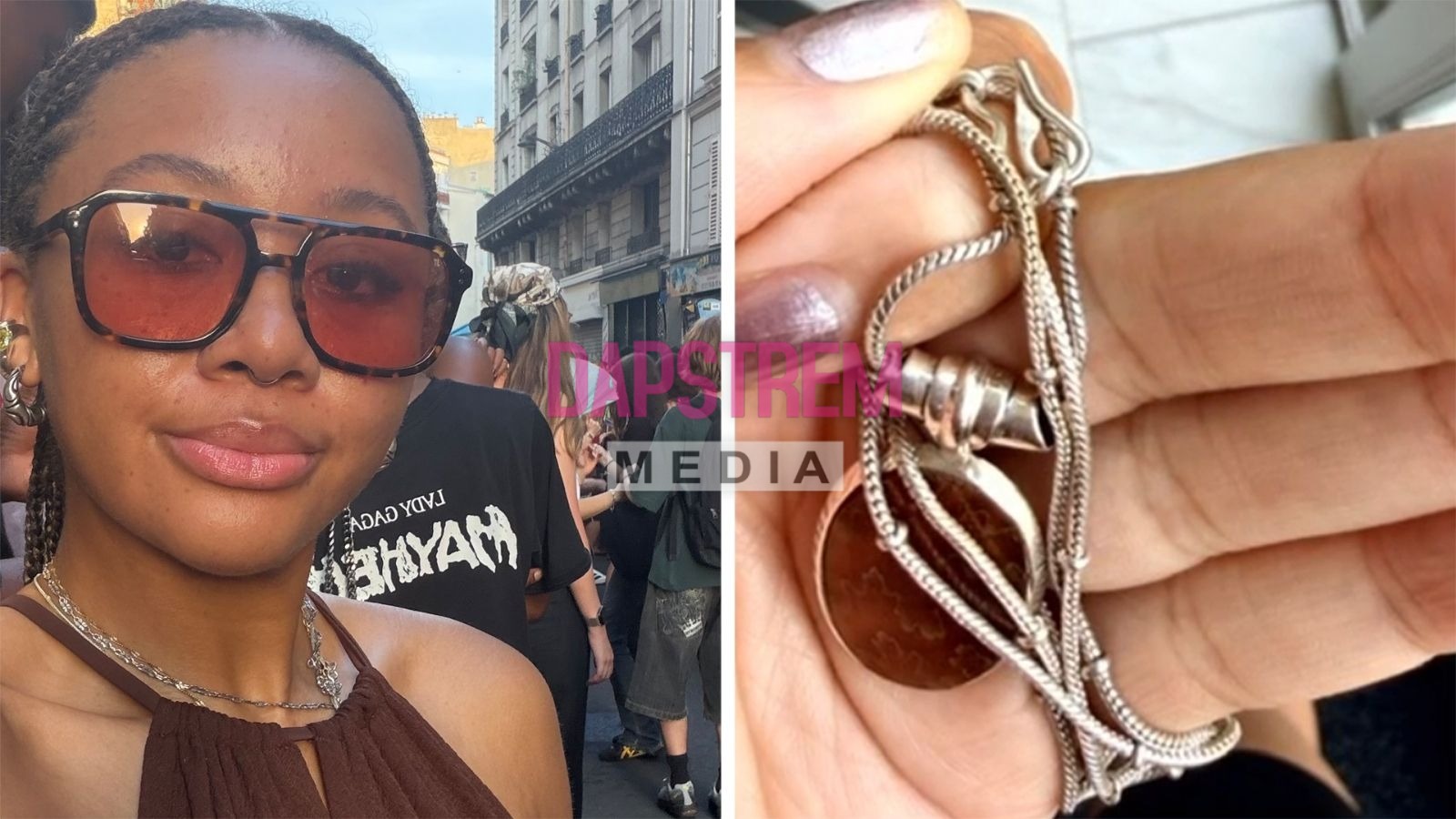
The investigation also highlighted the experience of a 34-year-old woman identified as Meranda, who purchased a necklace advertised on Etsy as handmade sterling silver.
She told the BBC that her neck became irritated after wearing the necklace for a few days. She later noticed that the colour of the jewellery did not look right.
Laboratory analysis found traces of nickel in the necklace, with one part of the chain containing up to 11 per cent of the metal.
Despite carrying a 925 hallmark, which indicates sterling silver, testing revealed that part of the necklace contained only 8.9 per cent silver.
Genuine sterling silver must contain at least 92.5 per cent silver, with the remaining percentage usually made up of other metals.
Meranda eventually received a full refund after contacting the seller and speaking to the BBC investigation team.
Online Marketplaces Respond to Investigation
Following the findings, Amazon, eBay, Temu and OnBuy said misleading product listings were prohibited on their platforms and confirmed that the jewellery identified by Watchdog had been removed.
Amazon said it had issued recall notices for the products identified as unsafe and encouraged customers with concerns to contact its customer service team.
Temu said it had arranged additional testing of similar products to identify possible risks and was reviewing potentially affected listings.
eBay maintained that sellers were required to describe products accurately and encouraged customers who received items that did not match their descriptions to seek support.
OnBuy said it had offered refunds to affected customers and initiated a recall of the product identified as containing cadmium.
Etsy did not respond to the BBC’s request for comment.
Investigation Raises Questions About Online Shopping Safety
The findings have renewed questions about how online marketplaces monitor product descriptions and ensure that items sold by third-party sellers meet safety and quality requirements.
Although the investigation examined only 25 products, the results revealed a significant gap between how some jewellery was advertised and what laboratory tests found.
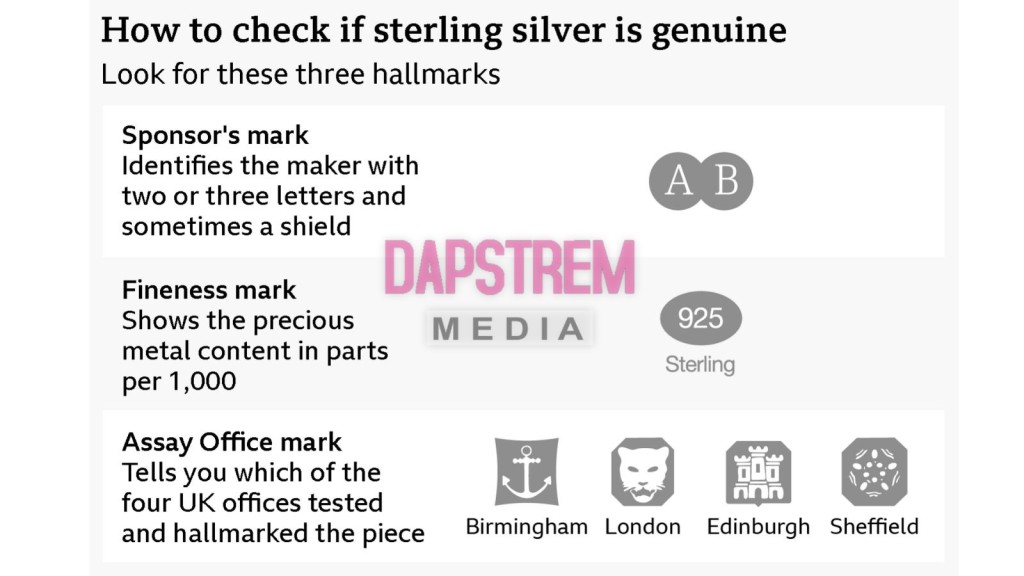
Consumers are also being reminded that a product carrying a 925 label is not automatically genuine sterling silver. The mark represents a claimed silver purity, but independent verification and recognised hallmarking provide stronger evidence of authenticity.
The investigation highlights the importance of accurate product descriptions, proper quality checks and stronger monitoring of goods sold online.
For shoppers, the findings serve as a reminder to pay attention to product claims and seek assistance from the relevant marketplace if an item appears misrepresented or raises safety concerns.