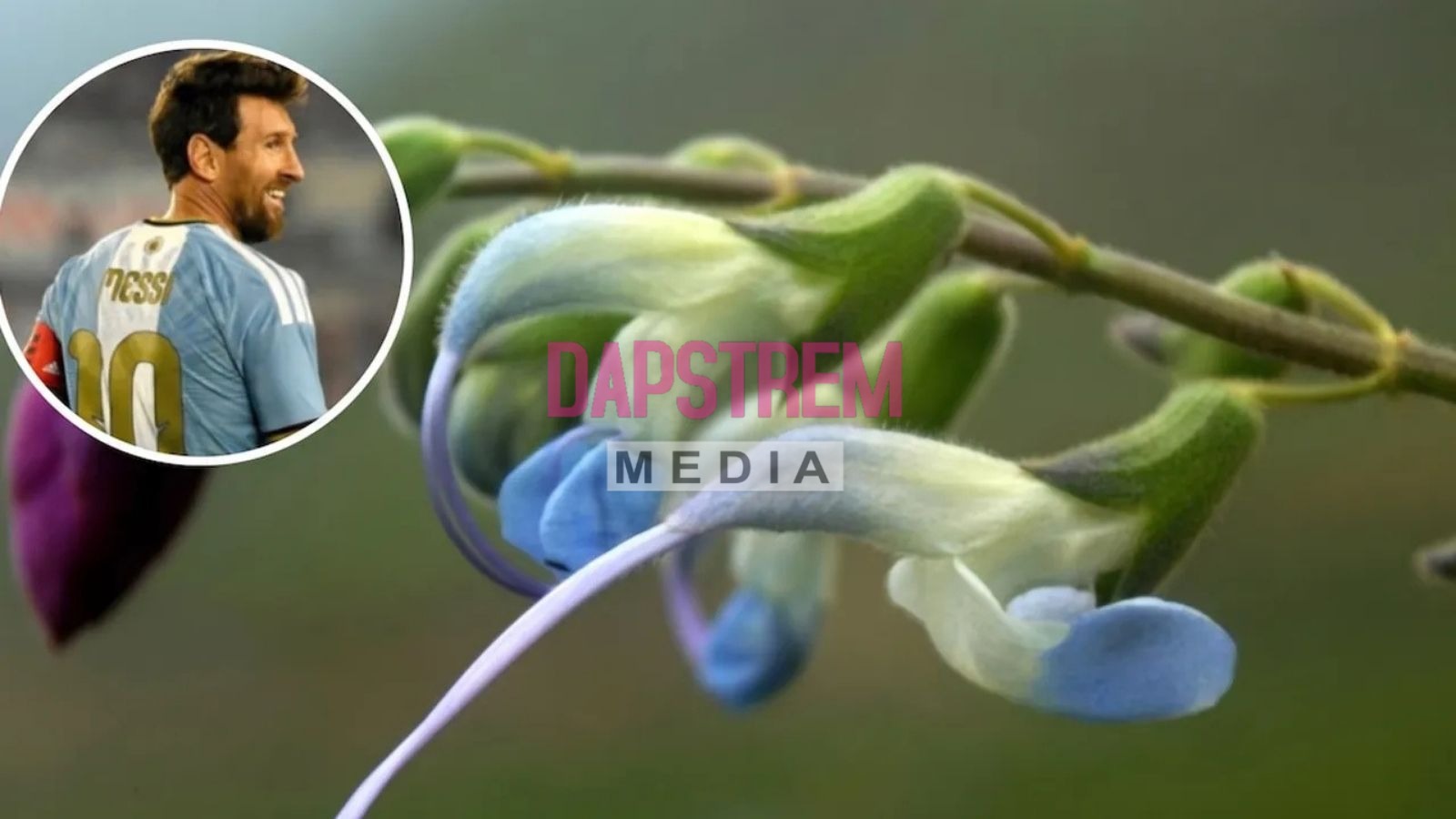
Messi Honoured With Newly Identified Plant Species
Argentine football legend Lionel Messi has received an unusual honour after scientists named a newly described plant species after him.
The plant, scientifically known as Salvia messii, is native to the Andes Mountains in central and southern Peru. Its formal scientific description was published in the journal Phytotaxa on October 2, 2026.

The discovery has attracted attention because it connects one of football’s most recognised names with botanical research and the conservation of plant life.
Researchers named the species in honour of Messi, whose achievements with Argentina and at club level have earned him international recognition.
The plant’s pale blue and white flowers also resemble the colours of Argentina’s national football jersey, adding another connection between the species and the football star.
However, the recognition comes with a conservation concern. Scientists have classified Salvia messii as endangered because it has a limited known distribution and faces threats to its natural habitat.
What Is Salvia Messii?
Salvia messii belongs to the Lamiaceae family, commonly known as the mint family. This botanical family includes familiar plants such as mint, basil, rosemary and other species of salvia.
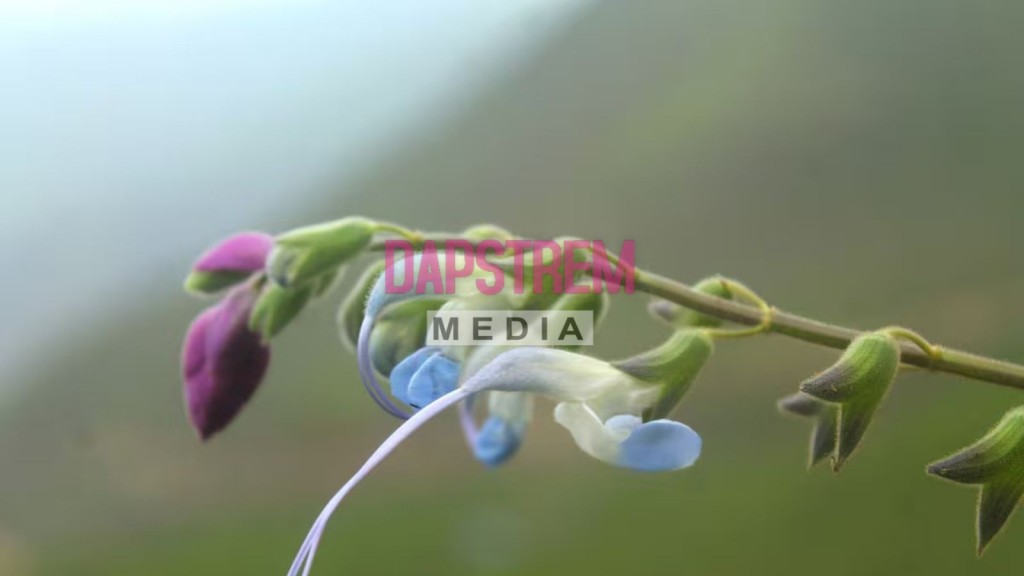
According to the published research, the newly described plant is an aromatic shrub that can grow to approximately 1.5 metres tall.
It grows on rocky mountain slopes at elevations of around 2,000 to 2,400 metres above sea level. Researchers documented the species in six locations across Peru’s Lima and Ica regions.
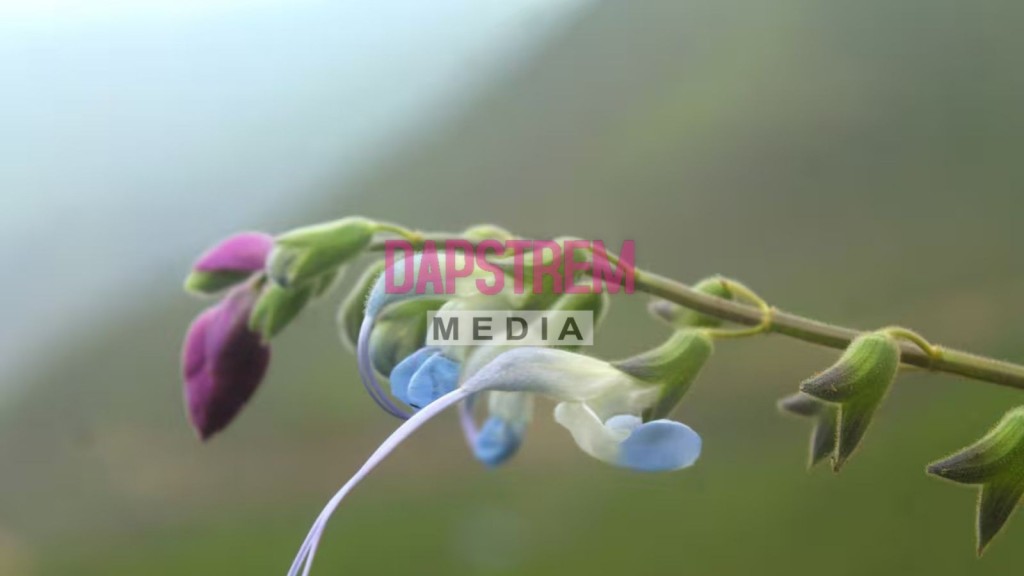
The plant has distinctive flowers, with pale blue and white colouring complemented by pinkish-purple shades in other floral structures.
Its physical characteristics helped researchers distinguish it from other known species within the same botanical group.
The formal description is important because it gives scientists a recognised scientific reference for identifying the plant and studying its distribution, ecology and conservation needs.
Why Scientists Named the Plant After Lionel Messi
The decision to name the plant after Messi reflects both his international profile and the resemblance between the plant’s flowers and Argentina’s national colours.
Botanical names sometimes honour people who have made a significant impact in a particular field or inspired the researchers involved in a discovery.

In this case, the name Salvia messii connects the newly described plant with the Argentine footballer.
The spelling is significant: the scientific name is Salvia messii, with the double “i” at the end of Messi’s surname. This follows the naming form used by the researchers to dedicate the species to him.
The discovery also demonstrates how scientific naming can bring attention to lesser-known species and the regions in which they grow.
For football fans, the honour provides a different way to celebrate Messi’s influence. For botanists, the formal description adds to scientific knowledge of Peru’s plant diversity.
Researchers Documented the Plant in Peru
The research was conducted by Paúl Gonzáles of the Natural History Museum at Peru’s National University of San Marcos, Argentine researcher Rolando Uría and Jean Capcha-Ramos of the environmental organisation Huarango Nature.
Their findings were published in Phytotaxa under the title A remarkable new Salvia (Lamiaceae) from the ecotonal vegetation surrounding the western Andean relict forests of Peru.
The study formally describes the plant as a distinct species endemic to the central and southern Peruvian Andes. An endemic species is one that occurs naturally in a particular geographical area and is not naturally found elsewhere.
The researchers also highlighted the importance of the shrubland habitats surrounding remnant Andean forests, noting that these environments may contain plant diversity that has received limited scientific attention.
Their work adds to the growing scientific record of plants found in Peru’s mountain environments.
Salvia Messii Faces Endangered Status
Despite receiving international attention through its name, Salvia messii faces challenges that could threaten its survival.
The researchers classified it as endangered because its known distribution is restricted. A species found in only a small number of locations may be particularly vulnerable when its habitat is damaged.
Threats reported around its habitat include recurring wildfires, road construction and prolonged drought.
Such pressures can reduce suitable growing areas and affect the survival of plant populations, especially where a species has a limited natural range.
The endangered classification does not mean the plant has disappeared. Instead, it indicates that the researchers identified a significant risk to its long-term survival.
The discovery therefore carries a conservation message alongside its connection to football: documenting a species is an important step towards understanding and protecting it.
Messi’s Influence Extends Beyond Football
Messi has built a celebrated career through his performances for Argentina and his club teams, winning major honours and attracting supporters around the world.
His leadership helped Argentina win the 2022 FIFA World Cup in Qatar, adding the sport’s biggest international trophy to his career achievements.
Naming a plant after him provides a different kind of recognition, placing his name in a scientific publication rather than on a football trophy.
The honour also illustrates the ways public figures can become connected to fields far removed from their professions.
For researchers, the priority remains documenting the species and highlighting the ecological importance of its habitat. For football supporters, the name offers a memorable link between Messi’s legacy and Peru’s natural environment.
A Scientific Tribute With a Conservation Message
The naming of Salvia messii gives Lionel Messi an unusual place in botanical research while bringing attention to a plant that needs conservation.
Its blue and white flowers provide a visual connection to Argentina, while its restricted distribution highlights the vulnerability of some mountain species.
The study published in Phytotaxa ensures that the plant has a formal scientific description that can support future research and conservation efforts.
Ultimately, the discovery is about more than a famous name. It adds to scientific understanding of Peru’s plant diversity and highlights the need to protect habitats that may contain species found nowhere else.
For Messi, it is an unusual honour beyond the football pitch. For the plant, the greater challenge is ensuring that it survives for future generations.