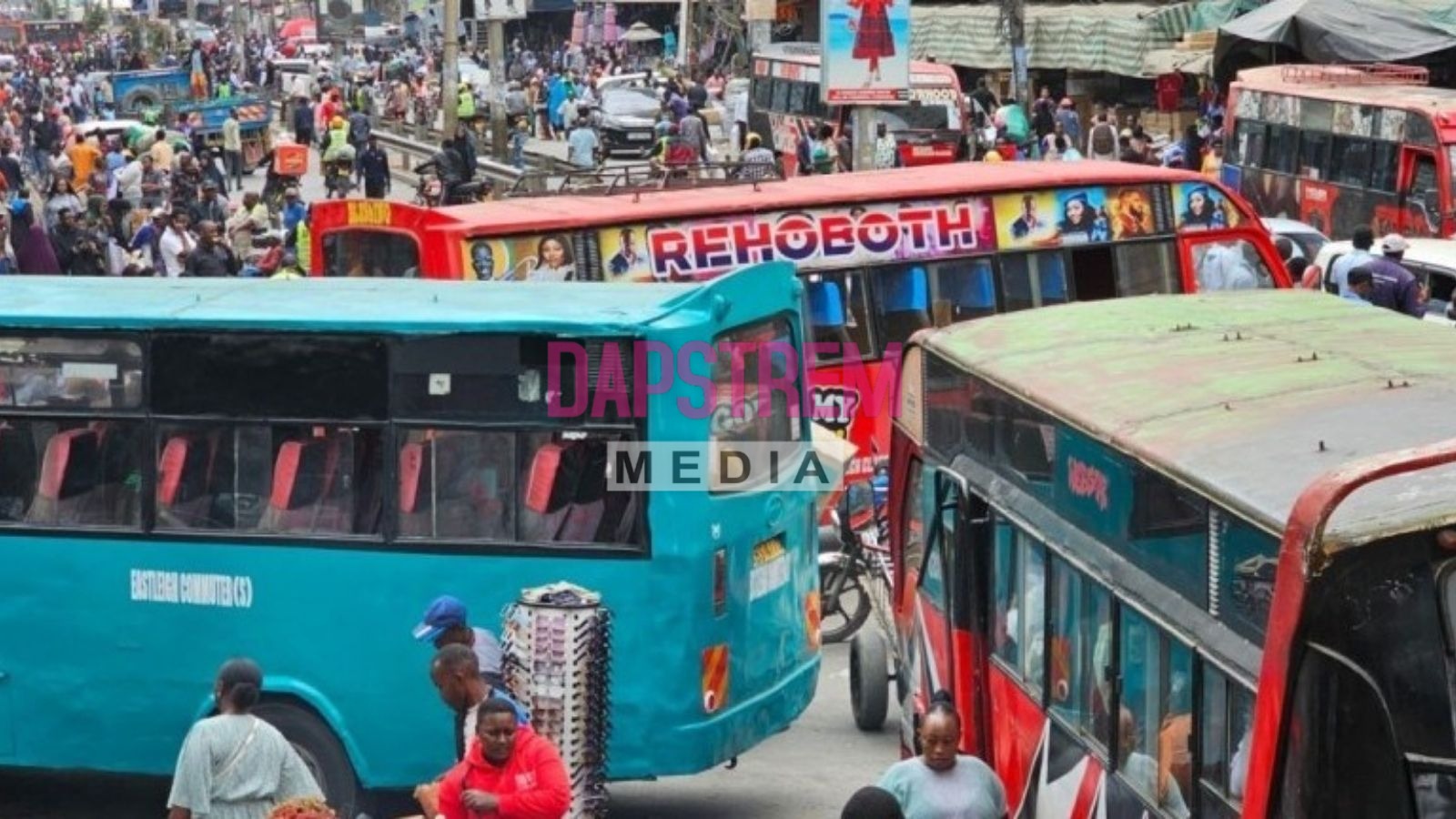
Matatu Operators Clarify Position on Nationwide Protests
Kenya’s matatu operators have ruled out a nationwide strike over rising fuel prices, saying they will continue providing transport services despite growing pressure on the sector.
Matatu Owners Association (MOA) president Albert Karakacha confirmed that operators would remain on the roads following the latest increase in petroleum prices announced by the Energy and Petroleum Regulatory Authority (EPRA).

Instead of withdrawing their services, operators have indicated that they will adjust fares to cope with higher operating costs, a move expected to affect commuters across the country.
The clarification comes as activists and human rights defenders prepare nationwide protests scheduled for Tuesday, October 20, 2026, to demand action over rising fuel prices and the cost of living. The demonstrations are separate from the matatu operators’ decision not to strike.
Matatu Owners Cite Unfulfilled Promise by Ruto
The transport sector’s latest position follows renewed criticism of President William Ruto over assurances made during a meeting with transport stakeholders at State House in Mombasa in May 2026.

During that meeting, Ruto announced that diesel prices would be reduced by KSh 10 per litre in the June-July pricing cycle as part of efforts to cushion Kenyans against the global fuel crisis.
However, Karakacha has accused the government of failing to honour what he described as a commitment to protect diesel prices from further increases.
According to the association, diesel is central to public transport operations, meaning increases in its price directly affect the cost of running matatus, buses and other commercial vehicles.
The president’s May announcement did result in a temporary reduction in diesel prices. The latest increase, however, has renewed tensions between operators and the government over how to manage fuel costs.
The association is now calling for government intervention as operators struggle with the rising cost of keeping their vehicles on the road.
New Fuel Prices Put Pressure on Commuters
The latest EPRA review increased the maximum pump prices of petrol, diesel and kerosene, with the new rates taking effect on October 15 and remaining in force until November 14, 2026.

In Nairobi, the maximum prices are:
-
Super petrol: KSh 226.96 per litre
-
Diesel: KSh 227.76 per litre
-
Kerosene: KSh 219.87 per litre
EPRA increased petrol by KSh 12.93 per litre, diesel by KSh 9.90 and kerosene by KSh 28.49.
For matatu operators, higher diesel prices translate into increased daily operating expenses. These include fuel purchases, vehicle maintenance and other costs associated with public transport.
Karakacha has said operators cannot continue absorbing the additional expenses while running their businesses at a loss.
Consequently, passengers may face higher fares on some routes as operators adjust to the new prices. The impact will depend on individual routes and the decisions made by operators.
Higher transport costs can also affect the prices of goods because businesses rely on vehicles to move products between farms, warehouses, markets and shops.
Activists Prepare Nationwide Fuel Price Protests
While matatu operators have ruled out a strike, activists are preparing demonstrations to pressure the government to address rising fuel prices.
On Friday, October 16, lawyer John Ndegwa and fellow activists issued the government a 72-hour ultimatum demanding a substantive response to their concerns. They warned that nationwide protests would follow if their demands were not addressed.
The group also announced plans to collect one million signatures as part of its campaign for lower fuel prices.
The activists criticised transport sector leaders who suspended an earlier strike in May after meeting the President, arguing that the expected relief had not been sustained.
Their planned demonstrations are therefore focused on pressuring the government and EPRA to address the fuel-price increases and the wider cost-of-living burden.
It remains important to distinguish the activists’ planned protests from industrial action by matatu operators. As of October 19, the MOA leadership says matatus will continue operating.
What the Decision Means for Kenyans
The decision not to strike means commuters are not facing a nationwide withdrawal of matatu services announced by the association in response to the latest fuel increase.
However, passengers may still feel the effects through fare adjustments, particularly on routes where operators say the higher fuel costs have made existing charges unsustainable.
The planned protests could also affect movement in areas where demonstrations take place, although the scale of any disruption remains uncertain.

For workers, students and businesses that depend on public transport, the dispute highlights the connection between fuel prices and everyday expenses.
The government faces calls to explain how it intends to respond to the latest increases, while transport operators want relief from rising operating costs. Activists, meanwhile, are demanding wider action to ease the pressure on households.
Matatu Operators Choose to Keep Working
The latest announcement marks a different approach from the nationwide transport strike held in May, when operators withdrew services to pressure the government over fuel prices.
This time, the association has said it will continue operating while adjusting fares, even as criticism of the government’s handling of fuel costs continues.
Whether further talks will produce additional relief remains to be seen.
For now, the matatu sector has clarified its position: operators will not join a nationwide strike over the latest fuel increase, but commuters may face higher fares as the dispute over fuel prices continues.