Babu Owino, Sifuna Arrive in Kisumu Ahead of Raila’s First Anniversary Memorial in Bondo
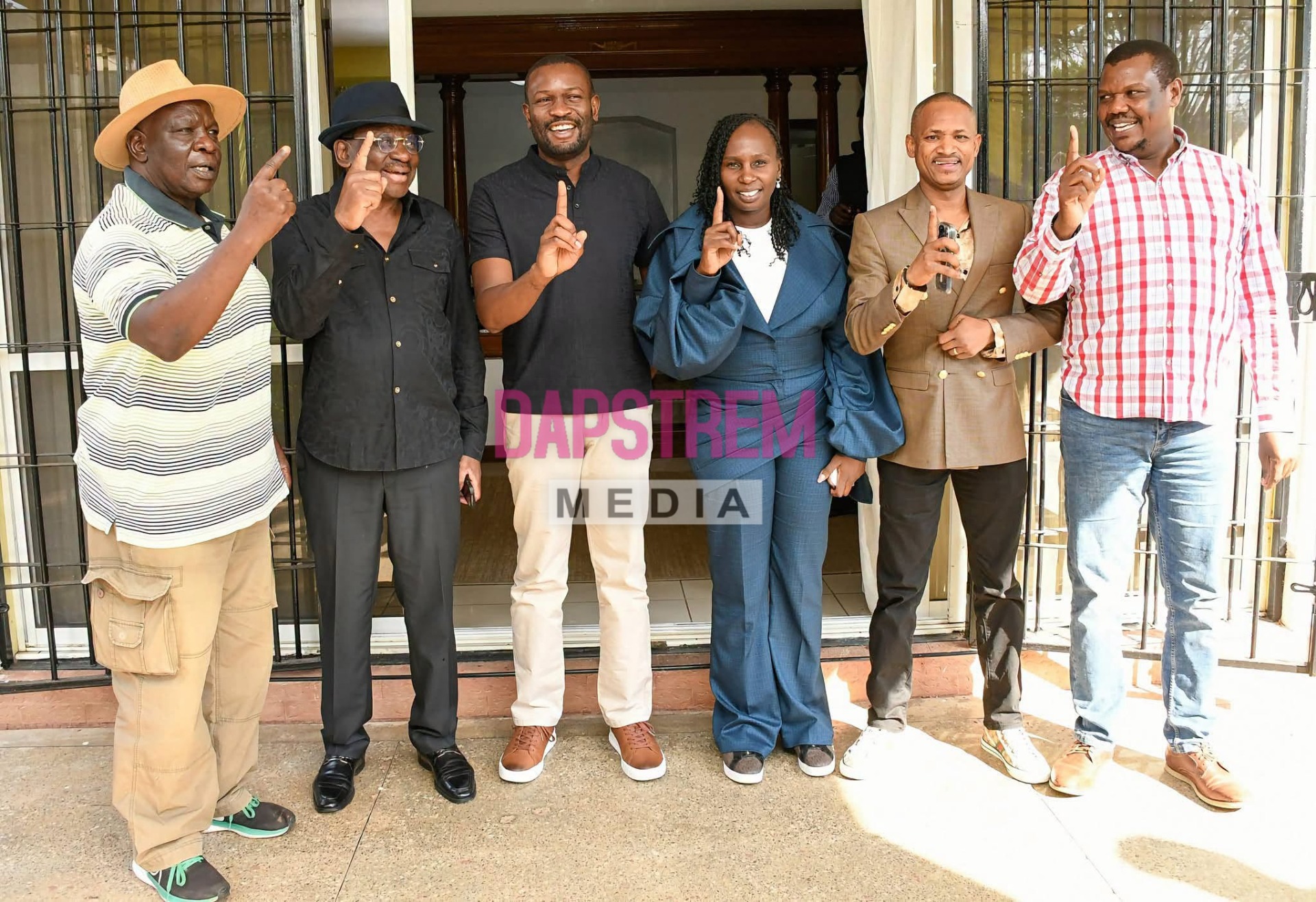
Embakasi East Member of Parliament Babu Owino and Nairobi Senator Edwin Sifuna have arrived in Kisumu ahead of the first anniversary memorial of former Prime Minister Raila Amolo Odinga, as political leaders and supporters prepare to honour the late opposition chief in Bondo, Siaya County.
The two leaders arrived at Kisumu International Airport on Thursday, October 15, 2026, ahead of the commemorative gathering scheduled to take place at Migwena Cultural and Sports Grounds. Their arrival comes exactly one year after Raila died in India on October 15, 2025, aged 80, bringing to an end a political career that spanned several decades and profoundly influenced Kenya’s democratic journey.
Babu confirmed his arrival through a post on his X account, where he shared the message, “Touchdown at Kisumu International Airport.” The post attracted attention as Kenyans followed the arrival of political leaders expected to attend the anniversary celebrations.
The memorial is expected to bring together thousands of mourners, including members of the Odinga family, government officials, opposition leaders, religious representatives, community elders and supporters who continue to celebrate Raila’s contribution to Kenya’s political development.
According to the Raila Amolo Odinga Memorial National Steering Committee, more than 20,000 people are expected to attend the main commemoration. The gathering is intended to celebrate Raila’s life, reflect on his contribution to the country and provide an opportunity for Kenyans to remember the ideals he championed throughout his years in public service.
The arrival of Babu and Sifuna has also drawn political interest because both leaders have remained prominent voices in discussions about the future of opposition politics and the direction of ODM following Raila’s death.
Their presence at the memorial comes at a time when political alignments are changing ahead of the 2027 General Election, with different leaders seeking to establish their positions within the political landscape that Raila once dominated.
However, the main purpose of the gathering remains the commemoration of the late former Prime Minister, whose influence extended beyond his traditional political strongholds and whose death left a significant gap in Kenya’s political leadership.
Babu Owino and Sifuna Join Kenyans in Remembering Baba
For Babu and Sifuna, attending the memorial provides an opportunity to pay tribute to a leader whose political journey influenced an entire generation of politicians.
Raila was widely regarded as a mentor and political inspiration by many leaders who emerged through the opposition movement. His ability to mobilise supporters, build alliances and remain influential despite repeated political setbacks made him one of the most recognisable figures in Kenya’s modern political history.
Babu has repeatedly expressed admiration for Raila and participated in activities organised to honour his memory. Earlier in October, the Embakasi East MP organised a candle-lighting ceremony at Jacaranda Grounds in Nairobi, a venue he described as having a special place in Raila’s political journey.
The ceremony formed part of the wider programme of events marking the first anniversary of Raila’s death. It brought together supporters who wanted to celebrate his life and reflect on the political struggles associated with his career.
Babu said Jacaranda Grounds held important memories of Raila’s relationship with his supporters and the wider struggle for a better Kenya.
His participation in the memorial activities has reinforced his public association with the former Prime Minister’s political legacy.
Sifuna, meanwhile, has been one of the prominent political voices associated with the younger generation of leaders who rose through ODM. As Nairobi senator and the party’s former secretary-general, he developed a national profile through his political communication, criticism of government policies and involvement in debates about the party’s future.
His appearance at the memorial comes amid growing disagreements over ODM’s political direction and its relationship with President William Ruto’s administration.
The senator has publicly maintained that he remains an ODM member, even as he has indicated that he will not seek re-election on the party’s ticket in 2027. He has also criticised the direction taken by sections of the party leadership, arguing that the party no longer provides the political platform he wants.
Sifuna has increasingly been associated with the Linda Mwananchi movement, which has been building its profile ahead of the next general election.
His attendance at the anniversary is therefore significant not only as an act of remembrance but also because it places him among political figures seeking to define what Raila’s legacy should mean for Kenya’s future.
Nevertheless, the memorial is an occasion that brings together people with different political views. The Odinga family has invited leaders from across the political divide, emphasising that Raila’s life and contribution to the country should be remembered beyond party boundaries.
Raila’s First Anniversary Draws National Attention
The first anniversary of Raila’s death has become one of the most significant political and commemorative events in Kenya this year.
Raila died in India on October 15, 2025, while receiving medical treatment. His death prompted an outpouring of grief from political leaders, supporters and citizens who had followed his career for decades.
He was 80 years old at the time of his death and had spent much of his adult life at the centre of Kenya’s political affairs.
From his involvement in the struggle for multiparty democracy to his years as Prime Minister and his repeated presidential campaigns, Raila played a major role in shaping political debates and national conversations about governance.
For many supporters, he represented persistence, resistance and the demand for democratic reforms. Others remembered him as a skilled political strategist whose alliances and negotiations influenced the direction of successive governments.
His influence was not confined to his home region. Through national campaigns, political coalitions and negotiations, Raila developed a broad political network that connected him with leaders and voters across the country.
His death therefore affected not only ODM but also the wider political establishment, which had grown accustomed to his presence in national debates.
One year later, the anniversary offers an opportunity for Kenyans to reflect on his achievements, the challenges he faced and the questions that remain unresolved following his departure.
The memorial programme has included activities in Kisumu and Bondo, bringing together young people, elders, religious leaders, family members and supporters.
On Wednesday, October 14, Raila’s widow, Ida Odinga, led a candle-lighting ceremony at Kang’o ka Jaramogi in Bondo. The event featured prayers, Scripture readings, gospel music and reflections on the former Prime Minister’s life.
The activities culminate in Thursday’s main memorial gathering at Migwena Cultural and Sports Grounds, where leaders and mourners are expected to pay their final respects during the anniversary.
The programme is designed to celebrate Raila’s contribution to the country while encouraging reflection on the values and aspirations associated with his public life.
Political Tensions Surround the Memorial
Although the anniversary is primarily intended to honour Raila’s life, the gathering is taking place against a backdrop of political tensions that have attracted considerable public attention.
The 2027 General Election is approaching, and political leaders are increasingly positioning themselves for the contest. Raila’s death has created a new political reality, particularly within ODM, where questions about leadership, alliances and the party’s future remain central to internal discussions.
Babu and Sifuna have both become prominent figures in debates about the direction of opposition politics. Their continued association with the Linda Mwananchi movement has also placed them among leaders seeking to mobilise support around an alternative political agenda.
The memorial has therefore attracted attention because several leaders with differing political positions are expected to attend the same event.
President William Ruto and former President Uhuru Kenyatta have been among the prominent figures expected at the gathering, alongside opposition leaders and regional political representatives.
Their possible presence at the same venue creates an unusual political moment, given the different positions they have taken in recent years and the emerging competition for influence ahead of 2027.
However, the Odinga family has emphasised that the invitation list reflects Raila’s relationships across the political divide. The family has encouraged Kenyans to respect differences and use the anniversary to celebrate his life rather than turn it into a platform for political confrontation.
The challenge will be ensuring that the memorial remains peaceful and dignified despite the competing political interests surrounding the event.
Earlier reports indicated that Babu had expressed concern over an alleged plan by unnamed politicians to organise groups that would heckle or prevent him from accessing the venue. The MP did not publicly establish who was behind the alleged plan, and the claims should not be treated as independently verified facts.
Siaya Governor James Orengo has also appealed for calm ahead of the commemoration, urging political leaders and supporters to avoid actions that could undermine the occasion.
The calls for peace reflect the importance of the anniversary to the Odinga family and the wider community. Raila was a figure whose political life involved both fierce competition and negotiations with former rivals, making the memorial an opportunity to demonstrate that people with different views can share a space to honour a national figure.
Babu’s Role in Preserving Raila’s Political Legacy
Babu Owino has increasingly used public events and political statements to demonstrate his continued admiration for Raila and the principles he believes the former Prime Minister represented.
His participation in the anniversary activities comes as younger politicians face growing expectations to explain how they intend to carry forward the political ideals associated with the late opposition leader.
Raila’s career was marked by his ability to mobilise large crowds and maintain a strong relationship with supporters, particularly during periods when he was outside government.
For many of his admirers, he symbolised the determination to challenge political authority and demand accountability. His rallies often became spaces where citizens expressed their frustrations over governance, electoral disputes and the cost of living.
Babu’s candle-lighting ceremony at Jacaranda Grounds was one of several activities organised by political leaders and supporters to commemorate Raila before the main anniversary.
By attending the gathering in Bondo, the MP joins other leaders who want to demonstrate that Raila’s influence remains important in Kenya’s political conversation.
However, preserving a political legacy involves more than attending memorial services or invoking a leader’s name during public speeches. It also requires translating the principles associated with that leader into policies, political conduct and public service.
For Babu and other younger politicians, this may involve demonstrating how they intend to advance democratic accountability, economic inclusion and constitutional governance in a changing political environment.
Whether they can sustain the same level of public mobilisation that Raila commanded remains an open question. His influence was built over decades through political struggle, relationships, alliances and repeated engagement with the electorate.
The younger generation will need to establish its own credibility while learning from the successes and shortcomings of the political movements that shaped their careers.
Sifuna’s Political Future in the Spotlight
Sifuna’s arrival in Kisumu has also attracted attention because of the political questions surrounding his future.
The Nairobi senator has been vocal about his disagreements with sections of ODM’s leadership, particularly over the party’s relationship with the government and its strategy ahead of the next general election.
He has maintained that he remains a member of ODM, although he has indicated that he will not seek re-election on the party’s ticket in 2027.
His association with the Linda Mwananchi movement has fuelled speculation about the role he may play in the next election, particularly as younger leaders seek to build a political alternative.
Sifuna’s challenge will be to turn his national visibility into a sustainable political base capable of competing in an increasingly crowded political environment.
The anniversary offers him an opportunity to honour Raila while also participating in a wider discussion about the future of the political movement the former Prime Minister helped build.
However, attending the memorial should not automatically be interpreted as a resolution of his disagreements with the party leadership. The gathering brings together leaders and supporters for a commemorative purpose, and political differences may continue beyond the event.
The broader question is whether ODM can maintain unity and relevance following the death of its founding leader, or whether emerging political movements will attract supporters who believe the party has moved away from its traditional principles.
The answer will depend on the decisions made by party leaders, the strength of internal democratic processes and the ability of political organisations to respond to the priorities of ordinary Kenyans.
For Sifuna, Babu and other emerging figures, the period ahead will be an important test of leadership and political organisation.
Thousands Expected at Migwena Grounds
The main anniversary memorial is expected to attract more than 20,000 people to Migwena Cultural and Sports Grounds in Bondo, according to the memorial steering committee.
The gathering is expected to include members of the Odinga family, national and county leaders, religious representatives, community elders, invited dignitaries and members of the public.
The large turnout reflects Raila’s enduring place in Kenya’s political history and the emotional connection many supporters continue to feel towards him.
Bondo holds particular significance because of Raila’s family roots and his close relationship with the wider Siaya community. The region has long been associated with the political history of the Odinga family, beginning with his father, Jaramogi Oginga Odinga.
For residents of Bondo and the surrounding areas, the anniversary is both a personal and historical occasion. It provides an opportunity to remember a son of the region whose political influence reached national and international audiences.
The commemorations also give younger generations an opportunity to learn about the events that shaped Raila’s career, including the struggle for multiparty democracy, the political crisis following the 2007 election and the constitutional reforms that followed.
The gathering is expected to feature tributes and reflections on his life, with organisers encouraging participants to maintain peace and respect the solemn nature of the occasion.
The memorial programme has also highlighted the importance of intergenerational dialogue, bringing young people and elders together to discuss the country’s political, social and economic challenges.
This approach reflects the view that Raila’s legacy should not be confined to memories of past political contests but should also encourage discussions about Kenya’s future.
A Memorial That Goes Beyond Politics
Raila’s first anniversary is a reminder that his influence extended beyond political party structures and electoral campaigns.
Although he was one of the most prominent politicians in Kenya, he also occupied a place in the lives of people who regarded him as a symbol of hope, persistence and the struggle for a more accountable government.
His supporters came from different regions and backgrounds, and many continued to follow his political journey even when they disagreed with particular decisions or alliances.
The anniversary has therefore become an occasion for personal reflection as much as a political gathering.
The candle-lighting ceremonies, prayers, cultural activities and memorial speeches provide opportunities for Kenyans to remember Raila as a husband, father, friend, mentor and public servant.
For Ida Odinga and the wider family, the occasion marks a year since the loss of a loved one whose public responsibilities often placed him in the national spotlight.
For former colleagues and political allies, it is a moment to reflect on the relationships and experiences they shared with him.
For ordinary citizens, the anniversary provides an opportunity to revisit the events that shaped their understanding of Kenya’s political development.
The challenge is to ensure that the gathering brings people together rather than deepening existing divisions. Raila’s political career was marked by strong disagreements, but it also involved negotiations and efforts to build alliances across political lines.
The family’s call for tolerance reflects the desire to preserve the anniversary as a dignified tribute to his life.
Conclusion
Babu Owino and Edwin Sifuna’s arrival at Kisumu International Airport ahead of Raila Odinga’s first anniversary memorial has added to the anticipation surrounding Thursday’s gathering in Bondo.
The two leaders are expected to join thousands of Kenyans in remembering the former Prime Minister, whose death on October 15, 2025, marked the end of a major chapter in the country’s political history.
Their attendance comes at a time when political divisions within ODM and the wider opposition continue to shape discussions about the 2027 General Election. Sifuna’s disagreements with sections of the party leadership and Babu’s continued involvement in activities honouring Raila have placed both leaders among the prominent figures in the debate over the late politician’s legacy.
However, the anniversary remains an opportunity for Kenyans to reflect on Raila’s life, his contribution to democratic reform and the political questions that remain after his passing.
As mourners gather at Migwena Cultural and Sports Grounds, the message from the family and organisers is that the occasion should unite people across political and regional divides.
One year after Raila’s death, his influence remains evident in Kenya’s political conversations, the activities of his supporters and the continuing debate over the future of the movement he helped build.
The gathering in Bondo will therefore be more than a memorial. It will also be a moment for the country to reflect on the values associated with Raila’s political journey and consider how future leaders can respond to the expectations of the citizens he spent decades engaging.