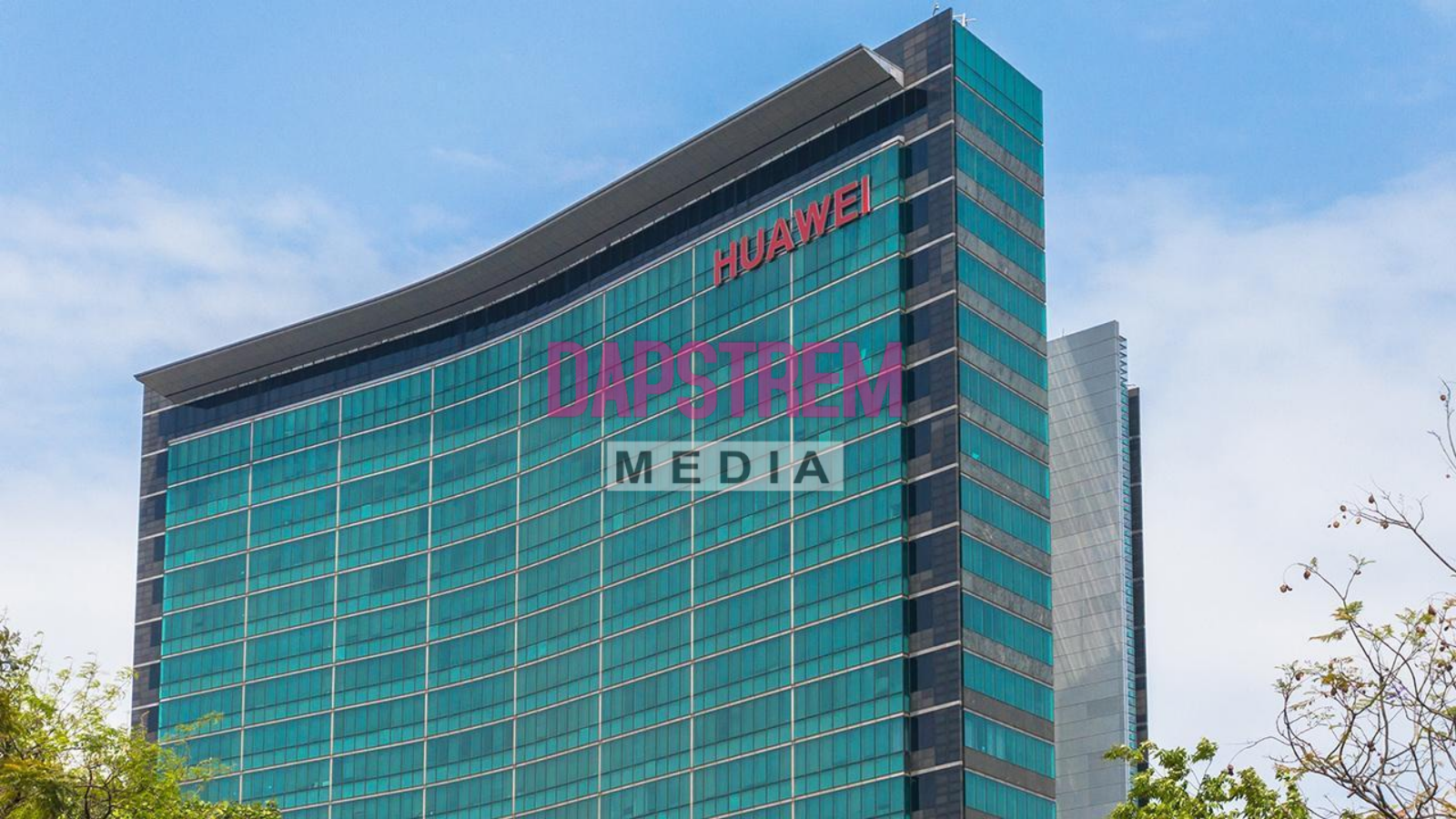
Chinese telecommunications giant Huawei Technologies has suffered a major legal setback after a United States federal jury convicted the company and three of its subsidiaries of violating American sanctions against Iran, defrauding banks and conspiring to steal trade secrets from US technology companies.
The verdict, delivered on Tuesday, November 24, 2026, in a federal court in Brooklyn, New York, followed a three-month trial examining Huawei’s international business dealings and alleged efforts to obtain confidential technology from American competitors.
The jury found Huawei guilty on 10 of the 12 criminal counts it faced, including bank fraud, wire fraud, money laundering, sanctions violations and conspiracy to steal trade secrets.
However, the company was acquitted of racketeering conspiracy and conspiracy to obstruct justice, two significant charges brought by prosecutors.
How Huawei allegedly deceived US banks
At the centre of the case were allegations that Huawei concealed its relationship with Skycom, a company prosecutors described as its subsidiary operating in Iran.
US prosecutors argued that Huawei misrepresented its Iranian business activities to international banks, journalists and government officials to maintain access to international financial services despite American sanctions.
According to the US Department of Justice, Huawei provided telecommunications infrastructure and surveillance technology in Iran, including systems that enabled authorities to monitor internet users, restrict online content and observe protest activities.
Prosecutors said the company used misleading statements about its Iranian operations to secure billions of dollars in credit and maintain access to US dollar-clearing services.
The jury’s verdict represents a significant victory for American prosecutors seeking to enforce sanctions and protect intellectual property belonging to domestic technology companies.
Trade secrets stolen from American technology firms
The second major part of the prosecution’s case involved allegations that Huawei obtained confidential technology from several American companies, including Cisco Systems, T-Mobile, Quintel and CNEX.
One of the most notable allegations concerned T-Mobile’s testing robot, nicknamed Tappy, which was designed to simulate human fingers touching smartphone screens.
Prosecutors told the court that Huawei employees obtained confidential photographs and technical information about the robot. One employee allegedly removed a component from T-Mobile’s laboratory to help Huawei develop a similar device.
Huawei was also accused of copying proprietary source code used in Cisco routers and obtaining confidential antenna technology from Quintel.
The Justice Department said the convictions involved Huawei Technologies and three subsidiaries: Huawei Device, Futurewei Technologies and Huawei Device USA.
Huawei vows to fight the verdict
Huawei has rejected the prosecution’s broader allegations and announced plans to appeal the convictions.
The company’s lawyers argued during the trial that prosecutors relied on isolated incidents involving a small number of employees to portray the entire organisation as a criminal enterprise.
The jury’s decision to acquit Huawei of racketeering conspiracy was particularly significant because prosecutors had sought to establish that the alleged misconduct reflected a wider criminal operation.
No individual executives were defendants in this trial.
Huawei and its subsidiaries face potential criminal fines, asset forfeiture and restitution. Sentencing has been scheduled for September 14, 2027, when a federal judge will determine the penalties.
The verdict could further complicate Huawei’s international operations, particularly its access to American technology and financial institutions.
The company has already faced years of restrictions in the United States since being placed on the US Commerce Department’s Entity List in 2019.
For Washington and Beijing, the ruling adds another dimension to their ongoing technology and trade tensions. However, its ultimate impact on Huawei’s global business will depend partly on the outcome of the anticipated appeal.