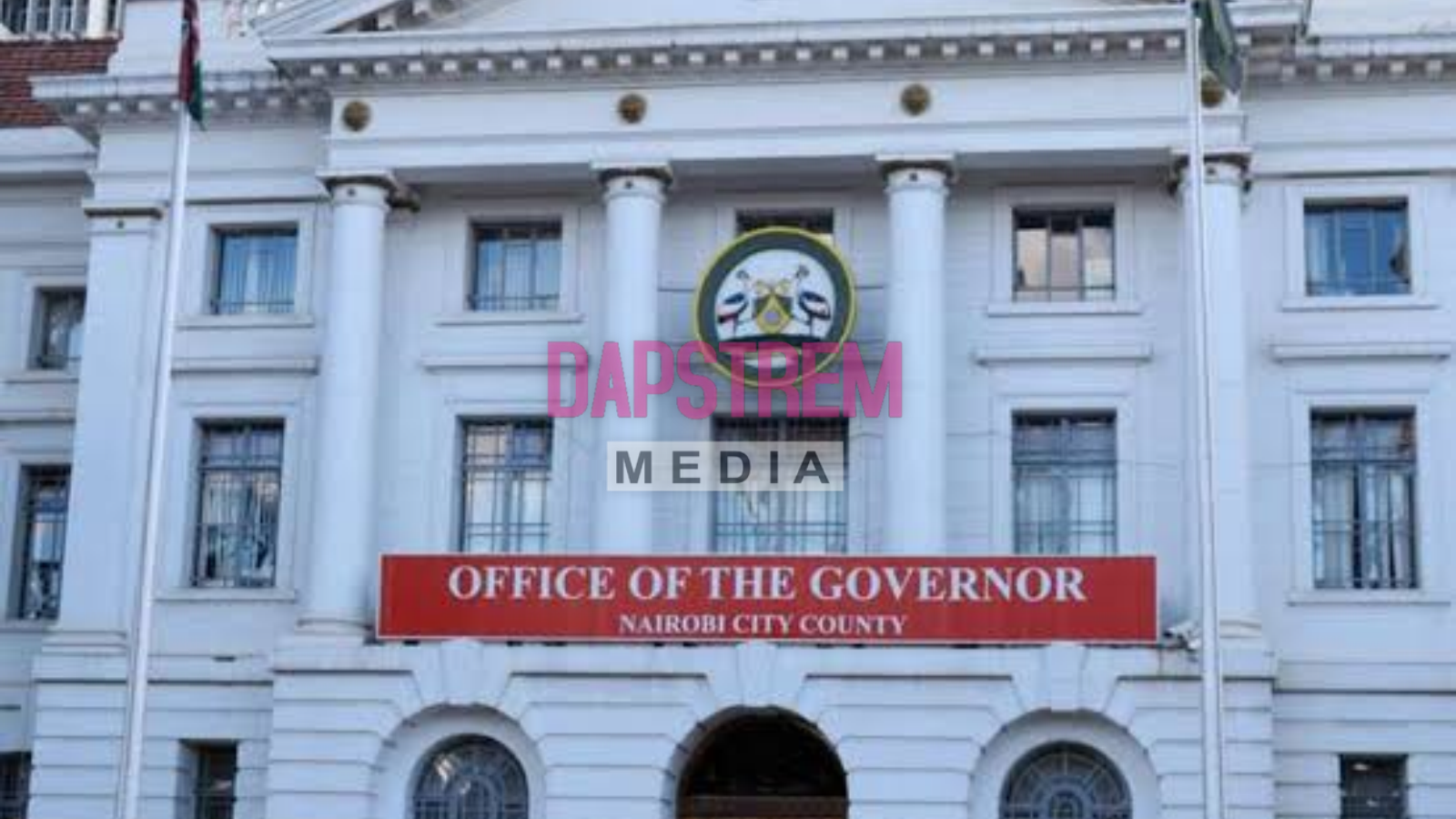
Nairobi City County has emerged as the country’s biggest contributor to the growing pile of unpaid county government bills, accounting for approximately half of the KSh172.5 billion owed to suppliers and contractors across Kenya’s 47 counties.
A new report by Parliament’s Parliamentary Budget Office (PBO) reveals that Nairobi alone owes KSh86.9 billion in pending bills as of June 2026, highlighting mounting financial pressure on businesses, contractors and service providers who have delivered goods and services without receiving payment.
The findings also place Nairobi at the top of the list of counties with stalled development projects, recording 57 incomplete projects valued at approximately KSh2.24 billion.
The report paints a troubling picture of financial management at the county level, with billions of shillings in public obligations remaining unsettled despite allocations intended to support development and service delivery.
KSh71.7 billion in old unpaid bills
Across the country, KSh172.5 billion in county pending bills had accumulated by June 2026. Of this amount, KSh71.7 billion had remained unpaid for more than three years, raising concerns about the financial sustainability of county governments.
Nairobi’s KSh86.9 billion liability represents approximately 50.4 per cent of the national county total.
The figures are particularly significant for small and medium-sized enterprises that depend on government contracts. Delayed payments can affect their ability to pay employees, service loans, purchase supplies and continue operations.
According to the Parliamentary Budget Office, the accumulation of pending bills poses a serious risk to business liquidity and wider economic activity.
The report also highlights the need for counties to honour existing financial obligations before committing themselves to additional expenditure.
57 stalled projects put development under pressure
Nairobi’s development challenges extend beyond unpaid bills. The county recorded 57 stalled projects, followed by Kakamega with 26, Baringo with 23, Machakos with 22 and Kilifi with 10.
Nationally, 22 counties reported 189 stalled projects valued at KSh10.51 billion, of which KSh4.21 billion had already been paid.
Among Nairobi’s affected projects is the Integrated County Revenue Management System, valued at KSh847.2 million, which was only 37 per cent complete according to the Controller of Budget’s review. Other stalled developments include social halls, youth facilities and market rehabilitation projects.
The county has attributed delays in various projects to funding constraints, unpaid contractor certificates, procurement challenges and contractual disputes.
Parliament proposes national government intervention
In response to the growing financial burden, the Parliamentary Budget Office has proposed a special financing arrangement to help Nairobi clear its outstanding obligations.
Under the proposal, the national government could contribute KSh1 for every KSh2 settled by Nairobi County. An alternative arrangement would see the national government match every shilling paid by the county.
The proposed intervention aims to help Nairobi eliminate its pending bills by 2030, improve cash flow for suppliers and restore confidence among businesses dealing with county government.
The Budget Office has also urged counties to prioritise completing viable stalled projects instead of launching new developments while existing ones remain unfinished.
The recommendations come as concerns grow over the impact of unpaid government obligations on businesses and the delivery of essential services.
For Nairobi residents, the figures raise important questions about the completion of promised infrastructure, the management of public resources and the county administration’s ability to meet its financial commitments.
As Parliament pushes for a structured settlement plan, attention will now turn to whether Nairobi and other affected counties can clear their debts while ensuring that development projects finally reach completion.