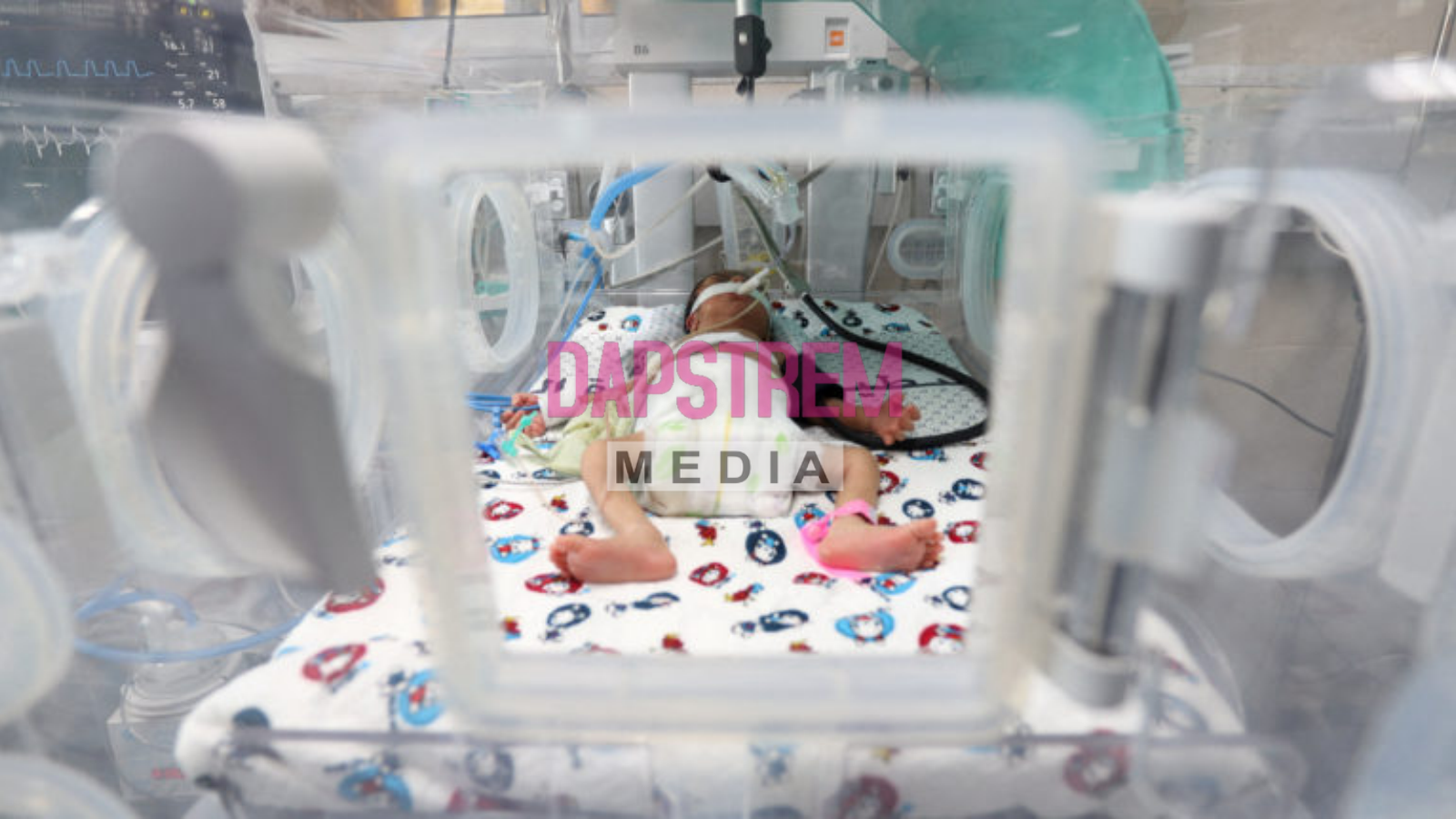
Nairobi City County is expanding specialised newborn healthcare facilities and maternity services in a major effort to improve survival rates among premature babies and other vulnerable newborns.
The expansion includes additional neonatal intensive care services, new maternity theatres, upgraded newborn units and stronger postnatal support programmes targeting mothers and infants who require specialised medical attention.
The announcement was made on Monday, November 16, 2026, by County Executive Committee Member for Health, Wellness and Nutrition Suzanne Silantoi during the commemoration of World Prematurity Day at Riruta Level 4 Hospital.
Silantoi said the county was shifting its focus beyond emergency treatment at birth to ensuring premature babies receive continuous medical attention, proper nutrition and monitoring after leaving hospital.
She emphasised that saving a premature baby’s life was only the beginning, noting that sustained care was essential to helping vulnerable children survive and develop.
Among the major investments is the newly opened 100-bed paediatric wing at Mama Margaret Uhuru Hospital, which is expected to increase access to specialised treatment for children.
At Pumwani Maternity Hospital, preparations are underway to operationalise a Newborn Intensive Care Unit (NICU), which will strengthen the facility’s ability to handle premature babies and newborns requiring specialised treatment.
The county is also nearing completion of four additional maternity theatres and newborn units at Westlands, Makadara, Bahati and Dandora II health facilities.
These facilities are expected to improve emergency obstetric services and reduce the need for mothers experiencing complicated pregnancies to travel long distances in search of specialised care.
Nairobi has also opened new maternity facilities in Ruai and Githurai 44 as part of efforts to bring professional maternal healthcare closer to residents.
Riruta Hospital records major increase in deliveries
Riruta Level 4 Hospital has emerged as one of the facilities benefiting from the county’s investment in maternal healthcare.
According to the hospital, monthly deliveries increased from just four in February 2025 to 180 in October 2026 following improvements in infrastructure and maternity services.
The facility has expanded its maternity department and introduced obstetric ultrasound services, alongside improvements to its pharmacy and laboratory.
Hospital Chief Executive Officer Alice Ndwiga attributed the increase to improved services and growing confidence among expectant mothers.
Focus shifts to care after hospital discharge
Beyond infrastructure development, the county is strengthening community-based programmes to ensure premature babies continue receiving appropriate care after discharge.
One of the key interventions is Kangaroo Mother Care, a method involving prolonged skin-to-skin contact between mothers and their babies. It helps maintain the baby’s body temperature, supports breastfeeding and promotes healthy development.
The county is also strengthening breastfeeding support, infection prevention and regular follow-up visits by Community Health Promoters, who monitor newborns and identify complications requiring medical attention.
Another important intervention is the Human Milk Bank at Pumwani Maternity Hospital, which provides donated breast milk to vulnerable newborns, particularly premature infants whose mothers may initially be unable to breastfeed.
Pumwani operates Kenya’s only Human Milk Bank, providing an additional source of nutrition for babies requiring specialised care.
The county is also using digital health records and specialised clinics to improve monitoring of mothers and infants with continuing medical needs.
Families can access maternal and child health emergency referral coordination through the county’s Emergency Operations Centre using the toll-free number 1508.
A wider push to reduce newborn deaths
The expansion builds on Nairobi’s broader investment in specialised healthcare. In August 2026, Governor Johnson Sakaja announced that the county had established 224 newborn care units and 23 neonatal intensive care units across its public health facilities over four years.
However, the success of the latest interventions will depend not only on infrastructure but also on the availability of trained healthcare workers, essential equipment, reliable supplies and accessible follow-up services.
Silantoi called on families, healthcare workers and development partners to work together to ensure premature babies receive the treatment, nutrition and continued support they need.
The county says its goal is to strengthen newborn healthcare from delivery through early childhood, giving vulnerable infants better opportunities to survive and thrive.