Rachel Ruto Hands Over 53 Houses to Chesongoch Mudslide Survivors in Major Resettlement Milestone
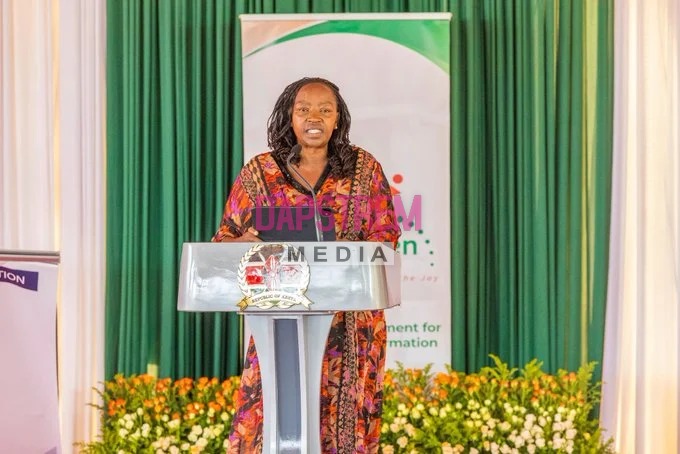
First Lady Rachel Ruto has handed over 53 houses to families affected by the devastating Chesongoch mudslide in Elgeyo-Marakwet County, marking a significant step towards rebuilding lives and restoring hope nearly a year after the tragedy.
First Lady Rachel Ruto has handed over 53 houses to families who lost their homes during the deadly Chesongoch mudslide in Elgeyo-Marakwet County, bringing renewed hope to residents who have endured months of uncertainty, displacement and hardship.
The handover, conducted on Wednesday, October 21, 2026, marks an important milestone in efforts to resettle families affected by the disaster that struck the Chesongoch area in late October and early November 2025. The tragedy claimed more than 30 lives, destroyed homes and disrupted the livelihoods of residents in parts of Marakwet East.
For the affected families, the new houses represent more than physical structures. They offer an opportunity to rebuild their lives, regain a sense of stability and begin a new chapter after experiencing one of the most difficult periods in their lives.
According to a report by People Daily, Rachel said the handover marked a renewed chapter of hope for families who had lost loved ones, homes and livelihoods during the disaster. She emphasised the importance of unity and compassion in helping affected communities recover from the tragedy.
The intervention comes as the government continues to pursue resettlement efforts aimed at providing permanent shelter to households displaced by natural disasters. It also highlights the importance of cooperation between national government institutions, county administrations and communities in responding to emergencies.
While the immediate priority following the mudslide was saving lives and providing emergency assistance, the latest development shifts attention towards long-term recovery and the restoration of normal life for survivors.
A new beginning for families affected by the Chesongoch tragedy
The Chesongoch mudslide left a lasting impact on families in Elgeyo-Marakwet County, many of whom lost their homes and possessions within a short period.
The disaster occurred after heavy rainfall triggered landslides and destructive flows of mud, rocks and debris from the surrounding slopes. The force of the moving earth caused widespread destruction, leaving families grieving and forcing survivors to search for shelter.
For households that lost their homes, the consequences extended beyond the immediate destruction of property. Families had to confront the challenge of finding alternative accommodation, protecting their belongings and ensuring their children could continue with school despite the disruption.
Some survivors were forced to seek temporary accommodation, while others relied on assistance from relatives, neighbours, government agencies and humanitarian partners.
The loss of homes also affected household finances. Families that had previously invested their savings in building houses suddenly faced the prospect of starting again, often without the resources needed to reconstruct their properties.
The handover of the 53 houses is therefore an important intervention in addressing the housing needs of some of the affected households.
Permanent shelter can provide families with a more stable environment from which to rebuild their livelihoods, restore family routines and plan for the future.
For parents, having a secure home can make it easier to support their children’s education and protect them from the challenges associated with prolonged displacement.
For elderly residents and vulnerable households, stable accommodation can also reduce the physical and emotional strain of repeatedly moving between temporary shelters.
Although housing alone cannot erase the pain caused by the disaster, it provides a foundation upon which other recovery efforts can be built.
The handover also demonstrates the importance of ensuring that disaster response does not end when rescue operations are completed. Survivors require continued support long after public attention shifts to other issues.
How the government supported the resettlement programme
The construction of the new homes forms part of broader efforts to assist families displaced by the Chesongoch mudslide.
Reports published earlier in 2026 indicated that the National Youth Service, working alongside the Elgeyo-Marakwet County Government, was constructing permanent houses for affected households.
The initiative was designed to move families away from prolonged dependence on temporary accommodation and provide them with a more sustainable housing solution.
According to The Star’s October 16 report, the first phase involved 55 houses, each comprising two bedrooms, a living room, a separate kitchen and a toilet. Construction began in January 2026, with logistical challenges affecting the pace of the work.
The challenges included transporting construction materials to the site and accessing the area where the houses were being built.
The National Youth Service played a key role in the construction process, providing personnel and technical capacity to support the development of the houses.
The partnership with the county government also illustrates how different levels of government can work together to address the consequences of natural disasters.
Such cooperation is particularly important in emergencies that overwhelm the capacity of affected households and local communities to recover independently.
The construction programme has provided a practical response to the immediate housing crisis while creating a pathway towards longer-term resettlement.
However, successful resettlement requires more than completing houses and handing over keys. Authorities must also ensure that families can access essential services, including water, sanitation, healthcare, education and transport.
The availability of these services will determine whether the new settlements provide a sustainable environment for residents.
The government will also need to continue engaging affected families to understand their needs and address any challenges that emerge after they occupy the houses.
Rachel Ruto highlights the importance of restoring dignity and livelihoods
During the handover, Rachel Ruto emphasised that the recovery programme should extend beyond providing shelter.
She announced that plans had also been laid for a Chesongoch Resource Centre and Information and Communication Technology hub intended to expand opportunities for women and young people.
The proposed facilities could provide an important platform for skills development, access to information and community-based activities.
For young people, access to digital services and ICT training could improve opportunities to acquire skills that are increasingly important in education and employment.
Digital facilities can also help residents access online learning resources, business information and other services that may otherwise be difficult to obtain in remote areas.
For women, a community resource centre could create opportunities for training, collaboration and participation in income-generating activities.
Such interventions are important because disasters often affect household incomes and expose vulnerable groups to additional economic pressure.
Women who lose homes, businesses or household assets may face increased responsibilities as they attempt to support their families during recovery.
Young people may also experience disruptions to their education, training and employment prospects when their households are displaced.
A community resource centre could therefore complement the housing project by supporting skills development and strengthening social connections.
However, the long-term impact of the proposed facilities will depend on implementation. Their funding, construction timelines, staffing, equipment and management arrangements will be important in determining whether residents can access meaningful services.
The facilities must also respond to the actual needs of the community rather than simply exist as buildings without sustained programmes.
If properly equipped and managed, they could help residents move beyond immediate recovery towards greater economic independence.
Rachel’s remarks reflect a broader understanding of disaster recovery: restoring dignity requires addressing not only where people live but also how they earn a living, access opportunities and participate in community life.
Remembering the victims of the deadly mudslide
The handover comes almost a year after the Chesongoch disaster devastated parts of Elgeyo-Marakwet County.
Heavy rainfall in late October and early November 2025 triggered landslides and destructive flows of mud and debris in the area. The disaster swept through settlements, destroying homes and claiming dozens of lives.
The tragedy left families mourning relatives while survivors struggled to understand the scale of the destruction.
The loss of life was accompanied by the destruction of property, household belongings and sources of income. For many residents, rebuilding became a difficult task that required support from outside their immediate households.
The incident also raised concerns about the vulnerability of communities living in areas exposed to landslides and other rainfall-related hazards.
In the aftermath, government officials urged residents living in high-risk areas to consider relocating to safer ground as heavy rainfall continued.
Interior Cabinet Secretary Kipchumba Murkomen was among the officials who called for action to protect residents from further danger.
The emergency response involved rescue efforts, humanitarian assistance and coordination between authorities and local communities.
Although the immediate response was essential in addressing the crisis, the longer-term recovery process has required sustained attention to housing, livelihoods and safety.
The handover of the houses represents one of the visible outcomes of these efforts.
For families who lost loved ones, however, the return to permanent accommodation cannot replace those who died. The tragedy remains a painful reminder of the human cost of natural disasters and the importance of strengthening preparedness measures.
It also reinforces the need for authorities to ensure that vulnerable communities receive timely warnings, reliable information and practical support before disasters occur.
Why safe resettlement matters in landslide-prone areas
The Chesongoch tragedy has renewed attention to the risks faced by communities living in areas vulnerable to landslides, flash floods and other natural hazards.
Elgeyo-Marakwet County has steep slopes and escarpments in parts of its landscape. During periods of intense rainfall, unstable ground can become dangerous, particularly where water saturates the soil and weakens the stability of slopes.
Landslides can occur with little warning, carrying rocks, soil and debris into settlements and destroying homes, roads and other infrastructure.
The destruction can be particularly severe where settlements are located below unstable slopes or along routes used by water and debris during heavy rainfall.
For this reason, resettlement programmes must consider the long-term safety of the locations where new houses are constructed.
Providing families with permanent homes is an important achievement, but those homes must be situated in areas where risks have been properly assessed and managed.
Authorities should work with relevant technical experts to evaluate the stability of the land, drainage conditions and exposure to future hazards.
Environmental conservation is also important. Protecting vegetation, managing land use and improving drainage can contribute to reducing certain environmental risks, although these measures cannot eliminate all landslide hazards.
Residents should receive clear information about warning signs, evacuation procedures and emergency contacts.
Such measures can help communities respond more quickly when conditions become dangerous.
Public education is equally important because residents need to understand the risks associated with their surroundings and the steps they can take to protect themselves.
Where relocation is necessary, authorities must communicate openly with affected families and explain the reasons for the move.
Resettlement programmes are more likely to succeed when communities are involved in decisions affecting their homes, livelihoods and future security.
The Chesongoch housing project therefore presents an opportunity to combine reconstruction with stronger disaster preparedness.
The economic impact of the disaster on affected households
The destruction caused by the mudslide extended beyond housing, affecting the economic stability of families and the wider community.
For households that lost their homes, replacing buildings and household items can require resources that would otherwise have been used for food, education, healthcare and business activities.
Families may also lose farming equipment, livestock, stored produce and other assets that support their livelihoods.
When such losses occur, recovery can take months or even years, depending on the level of assistance available and the ability of households to resume their previous activities.
The cost of temporary accommodation can place additional pressure on families that are already struggling financially.
Parents may have to redirect money intended for school expenses towards rent, transport or the replacement of essential household items.
Small businesses can also suffer when owners lose premises, equipment or stock.
These challenges demonstrate why housing interventions should be accompanied by efforts to restore livelihoods.
Access to financial assistance, agricultural support, vocational training and business development services could help affected households regain their economic footing.
Community-based initiatives may also create opportunities for residents to work together in rebuilding local businesses and supporting vulnerable households.
The proposed resource centre and ICT hub could contribute to this process if they provide practical training and services linked to employment and enterprise development.
However, the specific needs of families will differ. Some may require agricultural assistance, while others may benefit more from vocational training, small-business support or access to employment opportunities.
A coordinated recovery programme should therefore consider the circumstances of individual households rather than assume that one intervention will meet every need.
The ultimate objective should be to help families move from emergency assistance towards sustainable livelihoods.
The importance of community support and solidarity
The recovery of Chesongoch also highlights the role played by community solidarity during difficult times.
Following major disasters, neighbours, relatives, local leaders and volunteers often provide immediate assistance to affected households.
Such support can include food, clothing, temporary accommodation, transport and help with caring for children or elderly relatives.
In many cases, community members are among the first to respond because they understand the local environment and can reach affected households quickly.
The assistance offered by Kenyans and other well-wishers can also help survivors cope with the emotional and financial consequences of losing loved ones and property.
However, community support should complement rather than replace the responsibility of public institutions to coordinate disaster response and provide essential services.
Government agencies must ensure that assistance reaches eligible households fairly and that vulnerable residents are not excluded from recovery programmes.
Transparent beneficiary selection is particularly important in resettlement projects because the number of available houses may be smaller than the number of households requiring assistance.
Clear criteria can help reduce disputes and strengthen public confidence in the process.
Authorities should also provide channels through which residents can raise concerns or seek clarification about the programme.
Community participation can improve the quality of decisions and help ensure that interventions respond to local priorities.
The handover of the 53 houses is therefore not only a government milestone but also part of a wider community effort to rebuild after tragedy.
What happens next for Chesongoch survivors?
Although the handover provides permanent shelter for the beneficiary families, the wider recovery process is far from complete.
The next priority will be ensuring that the houses provide a safe and practical living environment for the residents who occupy them.
Access to reliable water, sanitation, electricity where available, healthcare, schools and transport will influence the quality of life in the resettlement area.
Authorities will also need to monitor whether families are able to maintain their new homes and resume their economic activities.
The planned resource centre and ICT hub could become important components of the next phase of recovery, particularly if they provide accessible training and community services.
Their success will depend on whether the facilities are completed, properly equipped and supported by sustainable funding.
There is also a need to strengthen disaster preparedness across vulnerable parts of Elgeyo-Marakwet County.
This may involve improved rainfall monitoring, early-warning systems, risk mapping, community education and coordinated evacuation plans.
Where scientific assessments identify areas at high risk, authorities should communicate the findings and support residents in making informed decisions about relocation.
Such measures are particularly important as communities face the continuing threat of extreme weather and environmental hazards.
The lessons from Chesongoch should also inform disaster planning in other counties where heavy rainfall, flooding and unstable terrain pose similar risks.
Preparedness is often more effective than responding only after lives have been lost and homes destroyed.
Investing in risk reduction can help protect communities, reduce the cost of emergency response and prevent avoidable displacement.
Rachel Ruto’s handover of 53 houses to Chesongoch mudslide survivors marks a significant step in the long process of rebuilding lives after the devastating 2025 disaster.
The new homes provide permanent shelter for families who lost their houses and offer an opportunity to restore stability after months of uncertainty.
The involvement of the National Youth Service and the Elgeyo-Marakwet County Government demonstrates the importance of cooperation in addressing the needs of communities affected by natural disasters.
Plans for a community resource centre and ICT hub also point towards a broader recovery agenda focused on skills development, access to opportunities and the restoration of livelihoods.
However, the true success of the initiative will depend on what happens after the handover. Families will need access to essential services, economic opportunities and continued support as they rebuild their lives.
Authorities must also ensure that resettlement takes place in safe locations and that communities receive the information and resources necessary to prepare for future emergencies.
The Chesongoch tragedy remains a painful reminder of the devastation that landslides can cause. Yet the handover offers a measure of hope to families seeking to move forward after losing loved ones and property.
Ultimately, rebuilding Chesongoch will require sustained cooperation, responsible planning and a commitment to ensuring that affected families can live safely, regain their livelihoods and create a more secure future.