
Aga Khan Hospital Fined KSh1 Million Over Maternal Death as Family Seeks KSh100 Million Compensation
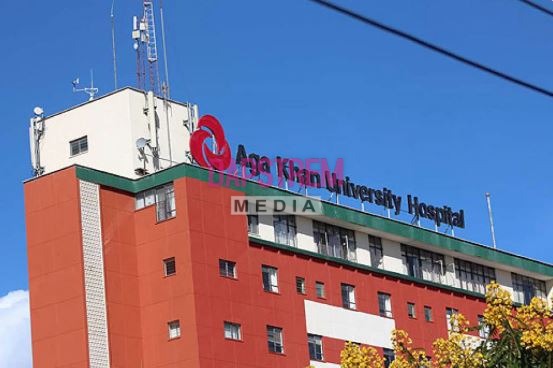
Aga Khan University Hospital in Nairobi has been fined KSh1 million by the Kenya Medical Practitioners and Dentists Council (KMPDC) over lapses in the treatment and management of a woman who died shortly after giving birth in August 2019. The decision comes as the deceased woman’s family seeks KSh100 million in compensation, reopening questions about maternal healthcare, medical accountability and the long process families can face when pursuing justice after losing a loved one.
The case involves Valarie Cherono Misoi, who died following the birth of her second child. Her husband, Lawrence Oyaro, filed a complaint with the medical regulator, alleging that inadequate medical care contributed to a hospital-acquired infection that ultimately led to his wife’s death.
In its determination in Disciplinary Case No. 70 of 2022, the KMPDC Disciplinary and Ethics Committee found the hospital culpable for shortcomings in Misoi’s care and management. Beyond the financial penalty, the committee directed the facility to review and update its medical protocols, strengthen procedures for investigating maternal and perinatal deaths, and enter mediation with the family.
The council upheld the committee’s findings at a meeting in January 2026. The latest report, published on October 13, 2026, brings renewed attention to the case and the family’s efforts to secure compensation.
The KSh1 million fine is a regulatory penalty. It is separate from the KSh100 million settlement proposed by the family’s lawyers, which has not been awarded as compensation. The parties have been directed to pursue mediation, but available reporting does not establish that they have reached a final agreement.
The case is significant because it highlights two different aspects of accountability in healthcare. One concerns whether a medical facility met the professional standards expected of it. The other concerns how a family may seek financial compensation for the death of a loved one and the losses that follow.
How the Tragedy Unfolded
According to evidence presented during the disciplinary inquiry, Misoi received antenatal care at Aga Khan University Hospital during her pregnancy in 2019. Her care was overseen by Dr Mukaindo Mwaniki.
Oyaro told the committee that he and his wife had been satisfied with the care she received during the pregnancy. Their confidence in the hospital influenced their decision to return there for the delivery of their second child.
However, concerns emerged before Misoi went into labour.
On August 18, 2019, she visited the hospital complaining of diarrhoea and abdominal pain. She underwent investigations and was advised to return for a review.
Dr Mwaniki confirmed that he examined her on that date and observed symptoms that suggested a possible infection. He told the committee that he collected samples for investigation, counselled her on warning signs and advised her to return within three days.
According to his testimony, Misoi did not return for the scheduled review. He explained that her symptoms did not initially indicate an emergency requiring antibiotics before the culture results became available.
However, the inquiry also heard that her earlier symptoms, including gastrointestinal complaints and fatigue, could have warranted closer assessment for a systemic infection. The evidence raised questions about whether further investigations or closer monitoring might have been appropriate.
The doctor also confirmed that Misoi’s haemoglobin level had declined during her pregnancy. It reportedly fell from 12.6 grams per decilitre in January 2019 to 11 grams in July and eight grams at readmission.
Haemoglobin is the protein in red blood cells that carries oxygen around the body. A low level can indicate anaemia, which is an important consideration in pregnancy and childbirth because it may affect a woman’s ability to withstand complications.
The significance of the laboratory findings formed part of the wider medical evidence considered during the inquiry. However, individual findings should not be interpreted in isolation, and the available reporting does not establish that any single symptom or test result independently caused Misoi’s death.
The next major event occurred on the evening of August 27, when Misoi went into labour. She delivered a baby girl through normal vaginal delivery in the early hours of August 28.
Oyaro told the committee that he was informed his wife had sustained a tear during delivery. The injury was stitched and described to him as minor.
Misoi was discharged on August 29 after complaining of leg pain and undergoing investigations for a possible blood clot, according to the evidence recorded in the ruling.
The circumstances surrounding her care, delivery, discharge and subsequent medical management formed part of the complaint brought before the regulator.
Oyaro alleged that the hospital failed to exercise reasonable care and skill in treating his wife, leading to a hospital-acquired infection and her eventual death. The committee examined the complaint alongside medical records, autopsy and medical reports, statements from the parties and evidence presented during the proceedings.
The outcome was a finding of institutional culpability against the hospital for lapses in Misoi’s care and management.
What the Medical Regulator Found
The KMPDC’s decision went beyond imposing a fine. The committee issued directives intended to address the shortcomings identified during the inquiry and improve the hospital’s procedures for handling similar cases.
First, the hospital was ordered to pay KSh1 million.
Second, it was directed to review and update its medical protocols to ensure compliance with emergency obstetric and neonatal care standards. The revised protocols must also be communicated to staff and medical contractors working with the facility.
This requirement is important because written policies are only effective when healthcare workers understand them and apply them consistently. Hospitals rely on coordinated procedures to identify warning signs, escalate emergencies, organise consultations and ensure patients receive timely treatment.
Third, the committee ordered the hospital to strengthen its implementation of Maternal and Perinatal Death Surveillance and Response procedures, commonly known as MPDSR.
These procedures are designed to help healthcare facilities investigate maternal and perinatal deaths, identify factors that contributed to them and implement measures to prevent similar incidents. They are intended to move beyond simply recording a death by examining what happened and what could be improved.
Such reviews can identify gaps in clinical decision-making, communication, staffing, emergency response and institutional systems. They can also help hospitals monitor whether recommendations are implemented and whether changes improve patient safety.
The committee directed the hospital to demonstrate compliance with the required procedures. It also ordered the facility to enter mediation with Oyaro and report the outcome to the council within 90 days.
The regulator warned that failure to comply with its directives could lead to further action.
The decision therefore places responsibility on the hospital not only to pay the penalty but also to demonstrate that it has addressed the concerns identified by the inquiry.
The findings also distinguished between the hospital’s institutional responsibility and the roles of individual practitioners. The committee cleared Dr Nyawira, Dr Umar and Dr Obare, ruling that they had no case to answer. Dr Gichuki was admonished over what the committee described as a lack of situational awareness and failure to consult senior team members promptly, contributing to delays in critical care management.
Dr Mwaniki, who handled Misoi’s antenatal care, told the committee that his involvement did not extend to her management during delivery, her initial discharge or her subsequent readmission.
These distinctions matter because medical investigations must consider the responsibilities of different practitioners and the systems within which they work. A finding against a hospital does not automatically mean that every professional involved in a patient’s care has been found personally liable.
The committee’s determination was based on the evidence it considered and the conclusions it reached regarding the hospital’s care and management of Misoi.
Family Seeks KSh100 Million in Compensation
While the regulator’s decision addresses professional and institutional accountability, Misoi’s family is pursuing a separate process to obtain financial compensation.
The family is represented by Githogori and Harrison Associates Advocates LLP, which has proposed a KSh100 million settlement from the hospital.
The lawyers argue that the proposed amount should reflect the financial and personal losses associated with Misoi’s death, including the loss of her future earnings and the support she would have provided to her family.
According to the settlement proposal, the claim comprises KSh27.22 million in general damages for pain, loss and suffering; KSh53.46 million for lost years; KSh17.82 million for loss of dependency; and KSh1.5 million in special damages.
The figures reflect different categories of loss considered in fatal-injury and negligence claims. They are not simply an estimate of the deceased woman’s salary multiplied by the number of years she might have worked.
General damages address non-financial harm recognised by law, while claims for lost years may seek to account for the income the deceased could have earned over the remainder of her expected working life. Loss of dependency concerns the financial support that surviving dependants would have received, while special damages generally cover specific expenses that must be established through evidence.
The lawyers said Misoi was 27 years old when she died and earned a net monthly salary of KSh165,000.
Her age and income are relevant to the family’s argument about the financial impact of her death. At 27, she could potentially have had many working years ahead of her, alongside family responsibilities and other contributions that cannot be measured entirely through salary.
The family’s lawyers have argued that the compensation should reflect the losses suffered by her dependants and the wider consequences of losing a young mother.
However, the KSh100 million figure remains a proposed settlement rather than a court-awarded amount. The final compensation, if any, will depend on the outcome of negotiations, mediation or any further legal proceedings.
The distinction is important because a party’s demand does not automatically establish the amount another party must pay. Compensation claims are subject to legal assessment, supporting evidence and, where the parties cannot agree, determination through the appropriate judicial process.
Hospital’s Offer Differs Sharply From the Family’s Demand
The two sides have proposed substantially different amounts, particularly in relation to lost earnings and loss of dependency.
According to the reported details, the hospital’s lawyers had earlier proposed KSh10,000 for pain and suffering, KSh10,000 for loss of expectation of life, KSh8.48 million for loss of dependency and KSh1.5 million in special damages.
That proposal is considerably lower than the KSh100 million sought by the family.
The difference highlights the challenge of reaching settlements in medical negligence disputes, especially those involving the death of a person who was relatively young and earning an income.
The family’s proposal places significant weight on future earnings and financial dependency. The hospital’s reported proposal places a much lower value on some of those heads of claim.
The disagreement will need to be addressed through discussions between the parties or through further legal processes if they cannot reach an agreement.
The family’s lawyers have also referred to the separate case of Naila Gureshi v Aga Khan University Hospital, which they say resulted in an award of KSh157 million. They cited that judgment in support of their proposed compensation.
However, compensation in one case does not automatically determine the outcome of another. Each case depends on its particular facts, the evidence presented, the legal issues involved and the applicable principles used to assess damages.
The circumstances of the deceased person, the nature of the losses claimed and the evidence supporting each category of damages may differ significantly from one dispute to another.
For that reason, the reported KSh157 million award provides context for the family’s argument but does not guarantee that the KSh100 million claim will be accepted.
The settlement discussions will need to consider the evidence and the legal basis for the different claims before the parties can establish whether an agreement is possible.
Six Years of Waiting for Closure
One of the most striking aspects of the dispute is the length of time the family has waited for resolution.
Misoi died in August 2019, and the family’s lawyers have expressed concern that the matter has taken approximately six years without a final settlement.
For families who lose loved ones unexpectedly, the period following a death can involve grief, financial pressure and the difficult task of understanding what happened. When the family believes that medical care may have contributed to the loss, seeking answers can become a lengthy and emotionally demanding process.
The legal and regulatory processes serve different purposes. A disciplinary inquiry examines whether professional or institutional standards were breached and may impose regulatory sanctions or corrective measures. A compensation claim seeks to determine whether financial damages are payable and, if so, how much.
These processes may involve overlapping evidence, but they do not necessarily conclude at the same time.
The KMPDC’s decision provides a formal regulatory finding regarding lapses in Misoi’s care. The family’s compensation claim, however, remains a separate issue.
Oyaro’s lawyers have urged the hospital to participate in settlement discussions within 60 days, saying the family has waited long enough and that a negotiated agreement could help avoid further legal expenses.
The regulator, meanwhile, directed the parties to pursue mediation and report the outcome within 90 days.
Mediation can provide an opportunity for parties to discuss their differences with the assistance of a neutral mediator. Unlike a trial, it allows the parties to explore a mutually acceptable settlement without requiring a court to decide every disputed issue.
However, mediation does not guarantee an agreement. The parties must still be willing to negotiate, consider the evidence and agree on terms they can accept.
For Misoi’s family, a settlement could bring financial relief and a measure of closure. But no monetary award can restore the life lost or replace the years a mother would have spent raising her children.
Why Maternal Safety Remains a Critical Issue
The case has also drawn attention to the broader importance of maternal healthcare and the systems designed to protect women during pregnancy, childbirth and the period immediately after delivery.
Childbirth is a major physiological event, and complications can emerge even when a pregnancy has appeared to progress normally. This makes timely assessment, appropriate monitoring and rapid response to warning signs essential.
Maternal complications may include severe bleeding, infections, high blood pressure-related conditions and blood clots. Some can progress quickly, making it important for healthcare teams to recognise changes in a patient’s condition and escalate care when necessary.
Infections are a particular concern because they may begin with symptoms that appear relatively mild before becoming more serious. Persistent abdominal pain, fever, unusual discharge, worsening fatigue or other concerning symptoms during pregnancy or after delivery require appropriate medical assessment.
However, symptoms vary, and not every case follows the same pattern. It is for qualified clinicians to evaluate individual patients, interpret investigations and determine the appropriate course of treatment.
Misoi’s case highlights the importance of reviewing symptoms, laboratory results, discharge decisions and follow-up arrangements as part of a wider assessment of patient care.
It also underscores the importance of effective communication between clinicians. When a patient’s condition is changing or the diagnosis remains uncertain, timely consultation with senior staff and clear documentation can help ensure that decisions are made with the necessary information.
For hospitals, maternal safety depends on the combined performance of healthcare workers and institutional systems. Adequate staffing, access to laboratory services, clear escalation procedures, reliable patient records and effective emergency response arrangements all contribute to the quality of care.
No single protocol can eliminate every risk associated with childbirth. But consistent implementation of evidence-based procedures can help identify preventable problems and reduce the likelihood that warning signs will be missed.
The regulator’s order requiring Aga Khan University Hospital to review its protocols and strengthen maternal death surveillance is therefore an important part of the case. The purpose of such corrective measures should be to ensure that the findings lead to meaningful improvements in care.
Accountability in Private Healthcare
The case also raises questions about accountability in Kenya’s private healthcare sector.
Private hospitals often attract patients seeking specialist services, advanced facilities and coordinated care. Families may make significant financial commitments because they expect professional treatment and appropriate attention to their medical needs.
However, the cost or reputation of a healthcare facility does not remove the need for patient-safety safeguards. Every healthcare provider must meet the standards required by law and professional regulation.
When concerns arise, patients and their families need access to clear explanations, reliable medical records and fair mechanisms for raising complaints.
Regulatory oversight plays a role in maintaining professional standards and examining allegations of misconduct or inadequate care. The KMPDC’s disciplinary process provides a channel through which complaints can be investigated and decisions made on the available evidence.
The Misoi case demonstrates that a regulator’s findings can lead to financial penalties and orders requiring changes to institutional practices.
It also illustrates the limits of a regulatory fine as a remedy for a family. The KSh1 million penalty is imposed through the disciplinary process, while the family’s proposed compensation is intended to address the losses arising from the death.
These are separate matters, and neither should be confused with the other.
For patients and families, effective accountability requires more than a finding that something went wrong. It also requires clear communication about what the investigation established, whether corrective measures have been implemented and how any compensation dispute will be resolved.
For hospitals, such cases provide an opportunity to examine systems and identify weaknesses before similar incidents occur.
The wider public interest lies in ensuring that complaints are investigated fairly, that healthcare workers receive appropriate support and supervision, and that institutions take responsibility for improving patient safety where shortcomings are established.
The Importance of Investigating Maternal Deaths
The requirement to strengthen Maternal and Perinatal Death Surveillance and Response procedures is one of the most consequential elements of the regulator’s decision.
Maternal death reviews are intended to establish the circumstances surrounding a death, identify contributing factors and recommend actions to prevent similar outcomes.
A thorough review may examine whether warning signs were recognised, whether investigations were completed, whether treatment was timely, whether referrals were appropriate and whether communication among healthcare workers was effective.
It may also examine wider institutional issues, such as staffing levels, access to essential equipment, emergency protocols and the coordination of care.
The aim is not simply to identify an individual to blame. It is to understand what happened and determine whether changes to clinical practice or hospital systems could reduce future risks.
For such procedures to be effective, recommendations must be followed by action. Hospitals need to assign responsibility for implementing changes, train staff on updated protocols and monitor whether those changes are working.
The regulator’s direction that the hospital demonstrate compliance is therefore important. It creates an expectation that the facility must show how it has responded to the findings rather than merely acknowledging them.
Transparency also matters. While patient confidentiality must be protected, meaningful reporting on safety improvements can help build public confidence and demonstrate that investigations produce practical outcomes.
In cases involving childbirth, these measures can have implications for other pregnant women and families who rely on healthcare facilities for safe delivery and postnatal care.
The ultimate value of a maternal death review lies in whether it helps prevent another family from experiencing a similar loss.
What Happens Next?
The next major step is the mediation process ordered by the KMPDC.
The hospital was directed to engage Oyaro in mediation and report the outcome to the council within 90 days. The committee also warned that failure to comply with its directives could result in further regulatory action.
The family’s lawyers have separately called for settlement discussions within 60 days, hoping to avoid the cost and delay associated with further litigation.
The discussions will need to address the substantial gap between the KSh100 million proposed by the family and the lower amount previously proposed by the hospital’s lawyers.
If mediation produces an agreement, the parties may be able to resolve the compensation dispute without proceeding through a prolonged court process. If they fail to agree, the family may consider the legal options available to pursue its claim.
The KMPDC’s fine and corrective directives remain distinct from this compensation process. The disciplinary finding does not, by itself, mean that the hospital has agreed to pay the family’s proposed amount.
The final outcome will depend on the parties’ discussions and any subsequent legal steps.
As the case proceeds, attention will also remain on whether the hospital implements the required changes to its medical protocols and maternal death surveillance procedures.
These obligations are important because the case involves not only a dispute over compensation but also a regulatory determination that shortcomings occurred in the care and management of a woman who died after childbirth.
For Misoi’s family, the immediate priority is securing a resolution after years of waiting. For the hospital and the regulator, the case also presents an opportunity to demonstrate that medical accountability can lead to meaningful improvements in patient safety.
A Case With Implications Beyond One Family
The KSh1 million fine against Aga Khan University Hospital and the family’s KSh100 million compensation proposal have brought renewed attention to the difficult questions that arise when a mother dies after childbirth.
At the centre of the dispute is Valarie Cherono Misoi, whose death in August 2019 left her family seeking answers and accountability.
The KMPDC has found the hospital culpable for lapses in her care and ordered it to pay a fine, review its medical protocols, strengthen procedures for investigating maternal deaths and enter mediation with her husband.
The family’s lawyers are seeking compensation for the losses they say followed her death, but the proposed KSh100 million settlement has not been awarded. The substantial difference between the parties’ positions means the compensation dispute remains unresolved in the available reporting.
The case highlights the distinction between regulatory sanctions and compensation, the importance of thorough investigations and the need for healthcare institutions to respond effectively when shortcomings are identified.
It also reinforces the importance of safe maternity services, clear communication among medical teams and systems capable of recognising and responding to complications.
For families, accountability can be a lengthy process involving both emotional and financial challenges. For healthcare providers, it is a reminder that patient safety must remain central to clinical practice and institutional decision-making.
The next stage of the case will depend on the mediation process and any further legal action. Whatever the eventual compensation outcome, the wider significance of the regulator’s findings will lie in whether the required corrective measures are implemented and whether they help prevent similar tragedies in the future.