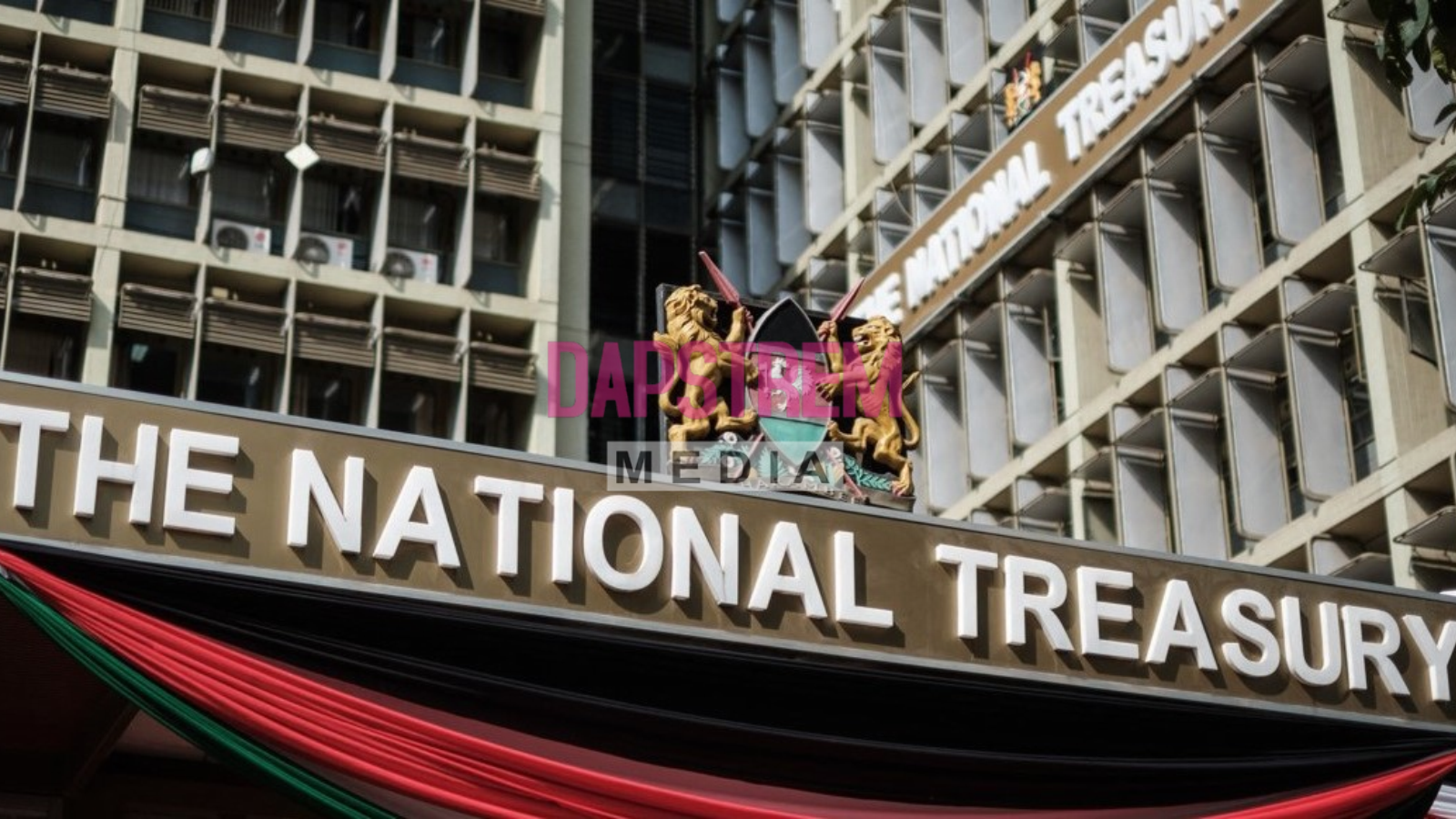
The National Treasury has projected a KSh5.235 trillion national budget for the 2027/28 financial year, setting the stage for another year of increased government spending, fresh borrowing and intensified efforts to raise revenue.
The proposed budget, outlined in the 2027 Budget Policy Statement (BPS), represents an increase from the KSh4.8 trillion projected for the 2026/27 financial year as the government seeks to finance development programmes, sustain public services and advance its Bottom-Up Economic Transformation Agenda (BETA).
However, behind the ambitious spending plan lies a projected fiscal deficit of KSh1.228 trillion, raising fresh questions about how the government intends to finance its expenditure without placing additional pressure on taxpayers and public debt.
According to the Treasury’s projections, total revenue is expected to reach KSh3.923 trillion, equivalent to 17.1 per cent of Gross Domestic Product (GDP). This means the government will still need substantial additional financing to meet its expenditure commitments.
The proposed expenditure framework places recurrent spending at KSh3.8 trillion, making it the largest component of the budget. Development expenditure is projected at KSh917.1 billion, while county governments are expected to receive KSh506.5 billion in transfers. A further KSh2 billion has been set aside for the Contingency Fund.
The figures highlight the competing demands facing the government as it attempts to balance salaries, administration, debt obligations, infrastructure development and essential public services.
Borrowing to bridge the funding gap
To finance the deficit, the Treasury plans to raise KSh570 billion through external borrowing and KSh658.9 billion through domestic borrowing.
The proposed financing strategy means the government will continue relying heavily on the local financial market, particularly government securities, while seeking loans from international lenders and development partners.
The Treasury says the approach is intended to moderate the pace of public debt accumulation while ensuring essential government services are not disrupted.
However, increased domestic borrowing could intensify competition for credit between the government and private businesses, while external borrowing exposes the country to foreign currency and repayment risks.
Development spending and county allocations
The KSh917.1 billion development allocation is expected to support infrastructure, agriculture, healthcare, affordable housing and other economic transformation programmes.
County governments are projected to receive KSh506.5 billion, providing resources for devolved services and local development projects.
The government is also expected to prioritise expenditure through zero-based budgeting, requiring ministries and departments to justify their spending requests rather than automatically relying on previous allocations.
2027 elections shape the budget timetable
The proposed budget comes as Kenya prepares for the August 2027 General Election.
The Treasury has accelerated the budget preparation process to allow Parliament to scrutinise and approve expenditure estimates before the election period, with the aim of avoiding disruptions to public services.
The Draft Budget Policy Statement has been submitted to Parliament, where lawmakers and other stakeholders are expected to scrutinise the government’s spending priorities and financing proposals.
Ultimately, the KSh5.235 trillion projection presents a major test of the government’s ability to balance development ambitions, debt sustainability and the economic pressures facing ordinary Kenyans.
The central question remains whether the expanded budget will translate into improved services, employment opportunities and tangible economic benefits without creating an even heavier financial burden for taxpayers.