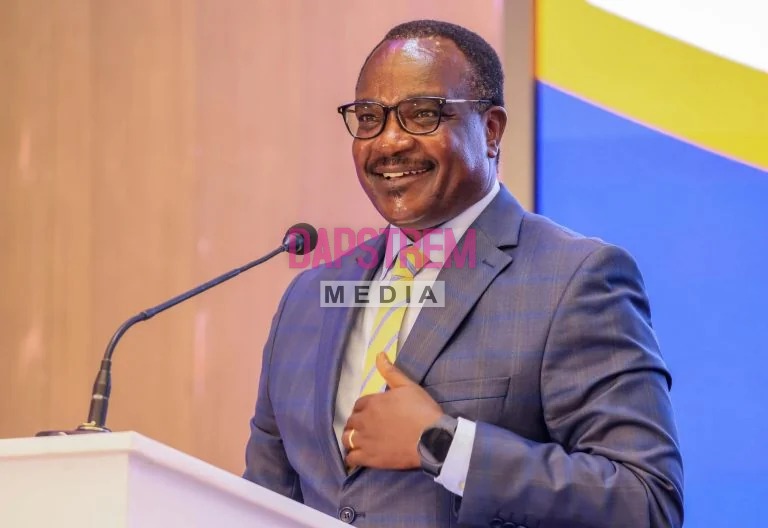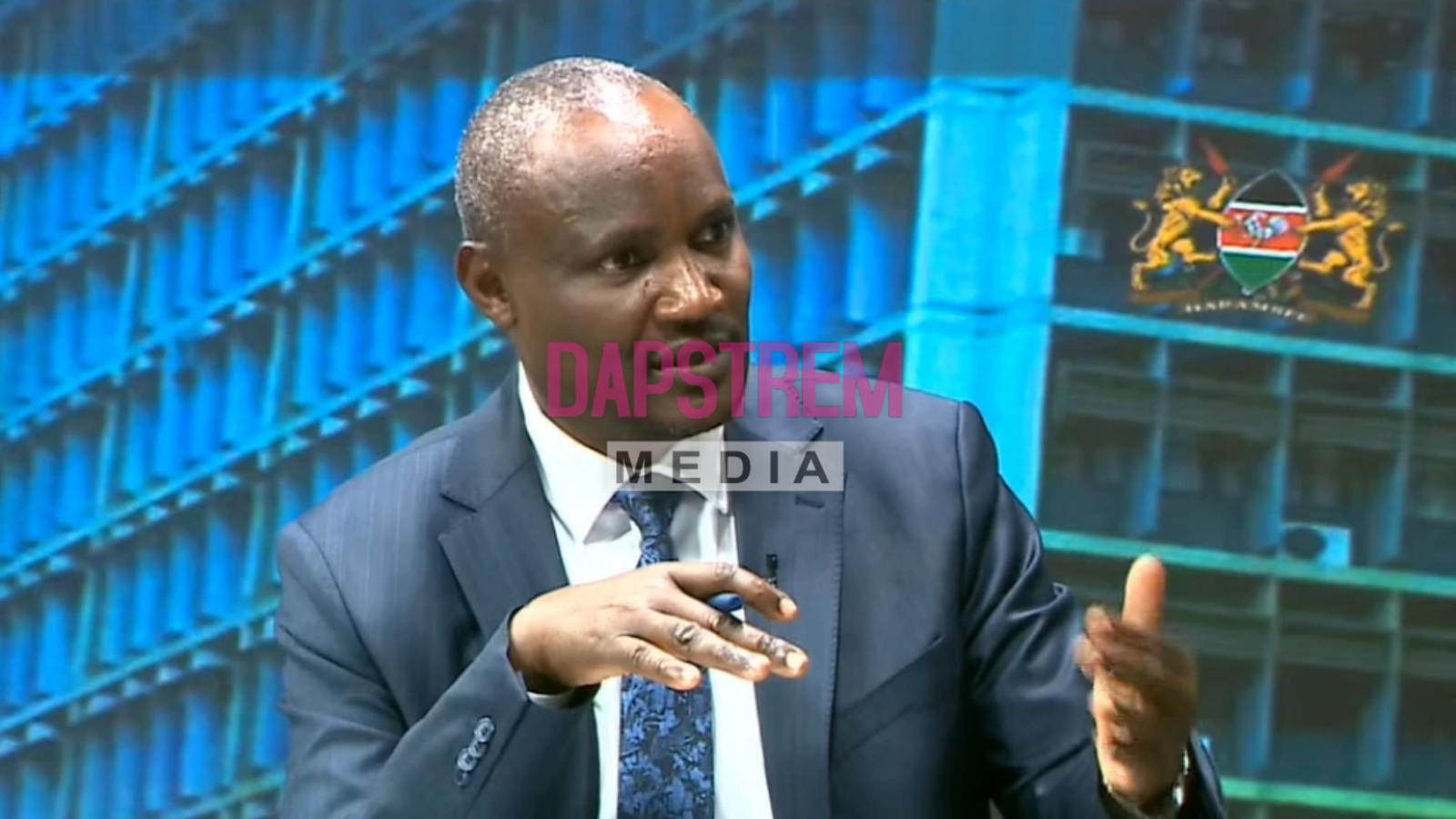
Treasury Cabinet Secretary John Mbadi has clarified the financial structure of the Rironi-Mau Summit Highway project, revealing that China Road and Bridge Corporation (CRBC) will participate not only as a contractor but also as an investor alongside the National Social Security Fund (NSSF) and other partners.
Mbadi said the arrangement is being implemented under a Public-Private Partnership (PPP) model, which allows private investors to finance infrastructure development in exchange for returns generated through toll collections.
Speaking during an interview on Tuesday, November 17, Mbadi explained that CRBC’s involvement in the Rironi-Mau Summit project differs from its previous role in constructing the Nairobi Expressway.
He dismissed suggestions that the two projects were directly connected, insisting they were independently designed and negotiated under different investment arrangements.
“What we have with the Rironi-Mau Summit is we have CRBC, which is the contractor which did the Expressway; but now CRBC is coming in as an investor as well, but in partnership with other investors, including NSSF,” Mbadi said.
One of the major issues addressed was how investors and lenders would recover their money from the highway’s toll revenue.
Mbadi explained that creditors would receive priority payments before equity investors begin receiving returns on their investments.
This means NSSF, which is participating through pension fund investments, will have to wait for the project’s debt obligations to be serviced before receiving returns on its equity contribution.
According to details reported by People Daily, the project’s financing structure comprises 75 per cent debt and 25 per cent equity, with NSSF contributing 40 per cent of the equity portion.
The Treasury CS also defended the anticipated toll charges, arguing that private financing carries investment risks that must be reflected in the cost of developing the road.
He noted that a government-funded highway could potentially be constructed without toll charges or with considerably lower fees because it would not require private investors to recover their capital and earn returns.
However, under the current arrangement, motorists will contribute towards financing the project through toll payments.
The 233-kilometre Rironi-Mau Summit corridor is expected to transform transport along one of Kenya’s busiest routes, connecting Nairobi to Nakuru and the western parts of the country.
The project is divided into three sections, with different contractors and investors involved in its implementation.
While the government maintains that PPPs reduce reliance on public borrowing, questions remain about toll affordability, investment returns and transparency in the agreements.
Ultimately, the success of the project will depend not only on completing the highway but also on ensuring that its financing arrangements deliver value to investors, motorists and the wider public.