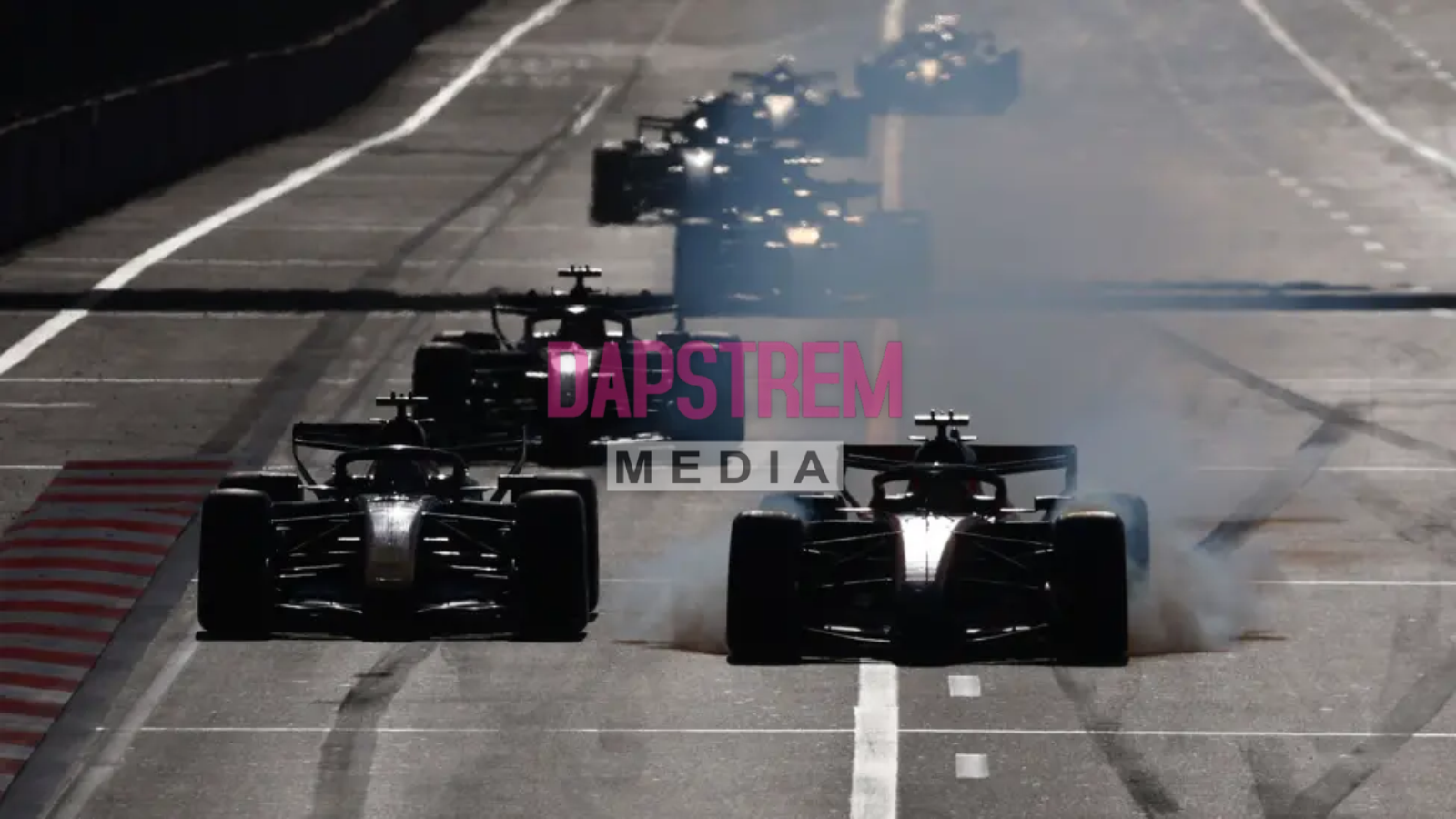
Formula 1 is set to return to its standard Grand Prix race distance in 2028, bringing an end to a temporary reduction scheduled to take effect in the 2027 season.
The change, reflected in the sport’s updated regulations, means that most races will return to the minimum number of complete laps required to exceed 305 kilometres (189.5 miles), compared with the reduced threshold of 290 kilometres (180.2 miles) planned for 2027. The adjustment represents a 15-kilometre increase over the shortened format.
The temporary reduction was introduced to accommodate changes to Formula 1’s power-unit regulations, particularly revisions to fuel-flow limits and the balance between combustion-engine power and electrical energy.
The return to the traditional distance is part of a wider technical transition intended to make the new hybrid regulations more practical for teams while preserving the demands of Grand Prix racing.
Why Formula 1 is changing race distances
The decision to shorten races for 2027 was linked to changes in the technical rules introduced for the 2026 season. The new power units place a much greater emphasis on electrical power, with the combustion engine and electric system contributing roughly equal shares of the total output.
However, the regulations have prompted debate over energy management, driver performance and the amount of time drivers can spend pushing at maximum pace.
For 2027, the governing body, the Fédération Internationale de l’Automobile (FIA), has agreed to increase the contribution from the internal combustion engine while reducing the maximum output available from the electrical component in specified operating conditions. Fuel-flow limits will also increase to support the revised power balance.
Higher permitted fuel flow creates a practical challenge: cars may consume more fuel over a race distance, potentially requiring changes to fuel-tank capacity and chassis design.
Rather than immediately requiring teams to undertake potentially expensive redesigns, the sport opted to reduce the standard race distance for 2027. The revised format is expected to remove approximately two or three laps from a Grand Prix, depending on the circuit.
The 2028 rules then restore the 305-kilometre threshold as the power-unit regulations move into their next phase.
What changes in 2028?
The return to standard race distances is closely connected to the planned evolution of Formula 1’s hybrid engines.
Under the revised technical direction, the contribution of the internal combustion engine is expected to increase further in 2028, moving towards a 60:40 balance between combustion and electrical power. The changes are intended to address concerns surrounding energy management while allowing drivers to use more sustained engine power.
The key changes are outlined below.
Season
Standard race-distance threshold
Main consideration
2026
More than 305 km
Introduction of the new hybrid power-unit regulations
2027
More than 290 km
Temporary reduction to accommodate revised engine and fuel-flow rules
2028
More than 305 km
Restoration of the traditional distance alongside further power-unit changes
The distinction matters because Formula 1 does not generally prescribe an identical number of laps for every Grand Prix. Instead, the regulations require the smallest whole number of laps that exceeds the applicable distance threshold. The number of laps therefore varies according to the length of each circuit.
Teams face a fuel-efficiency challenge
The decision also highlights the close relationship between Formula 1’s technical regulations and the financial pressures facing competing teams.
Fuel capacity is determined by the design of the car, including the space available within its chassis. If the regulations permit greater fuel consumption, teams must ensure that their cars can complete the scheduled distance without exhausting their fuel supply.
That challenge is particularly important during a major regulatory transition, when manufacturers and teams are already investing heavily in new power units, aerodynamic packages and vehicle development.
The shorter 2027 distance provides a temporary way to manage those demands without immediately requiring every team to redesign its chassis around a larger fuel tank.
Restoring the traditional distance in 2028, however, means teams will have to balance fuel capacity, efficiency, power delivery and overall car performance once again.
The FIA’s approach illustrates how changes to one aspect of the regulations can affect several others. A decision about engine output can influence fuel consumption, which can affect chassis design and, ultimately, the length of a race.
Drivers have questioned the shorter format
The planned reduction has also raised questions about whether shorter races are the right direction for a sport that prides itself on physical endurance, strategy and sustained competition.
Seven-time world champion Lewis Hamilton has previously criticised the proposal to shorten Grand Prix distances, arguing that longer races better reflect the physical and mental demands placed on drivers.
Hamilton has maintained that drivers should be pushed to the limits of their endurance, particularly at demanding venues where heat and sustained concentration make racing especially difficult.
A return to the standard distance in 2028 may therefore be welcomed by drivers and fans who believe that endurance is an essential part of Formula 1’s identity.
Nevertheless, the debate is not simply about adding kilometres. Modern Formula 1 races are shaped by tyre degradation, pit-stop timing, energy recovery, fuel management and the aerodynamic characteristics of the cars. Longer races can increase the importance of these factors, but they do not automatically guarantee more overtaking or more exciting competition.
The challenge for the sport will be to ensure that the revised engine rules allow drivers to race competitively over the full distance rather than spending excessive portions of a Grand Prix managing energy or conserving fuel.
Monaco retains its special status
While the standard Grand Prix distance is returning in 2028, the change does not remove the special provision for the Monaco Grand Prix.
The famous street race has historically operated under a shorter distance requirement because of the circuit’s unique characteristics. The narrow streets, limited overtaking opportunities and demanding barriers make Monaco fundamentally different from many other venues on the calendar.
Under the FIA’s sporting regulations, Monaco’s separate threshold remains 260 kilometres, rather than the standard 305 kilometres.
This exception means that the return to standard distances should not be interpreted as a requirement for every Grand Prix to cover more than 305 kilometres.
What the decision means for Formula 1
The 2028 restoration is significant because it indicates that the shorter format was designed as a temporary measure rather than a permanent change to the sport.
For fans, it offers reassurance that Formula 1 intends to retain the traditional length of its main championship races. For teams, it provides greater clarity about the direction of the regulations and the technical demands they will need to meet.
For the FIA and Formula One Management, the challenge is to balance competitive racing, technical innovation, safety and cost control. The sport must also ensure that the increasing complexity of its hybrid systems does not overshadow the skill of the drivers.
The return to the standard distance will not, by itself, resolve every concern about the new power-unit formula. Questions surrounding electrical deployment, overtaking, fuel efficiency and the overall racing spectacle will continue to influence how the regulations are assessed.
Ultimately, the success of the changes will depend on whether the revised cars can deliver close, competitive racing over the full Grand Prix distance.
Formula 1’s decision to restore its standard race-distance threshold in 2028 represents a temporary reversal of the shorter format planned for 2027.
The reduction to 290 kilometres was introduced to help teams manage the technical and financial consequences of revised engine regulations and higher permitted fuel flow. The return to more than 305 kilometres in 2028 reflects the next stage of the sport’s transition towards a revised balance between combustion and electrical power.
For drivers and fans, the move preserves an important tradition of Grand Prix racing. For teams, it creates another engineering challenge as they adapt their cars to changing demands on fuel capacity, efficiency and power delivery.
The broader objective remains clear: Formula 1 must evolve technologically without compromising the endurance, driver skill and competitive spectacle that define the championship.
The shorter races of 2027 may prove to be a brief chapter in the sport’s history, but the regulations introduced around them could have a lasting influence on how Formula 1 balances innovation with the demands of racing.