Israel Election Deadlock: What Happens Next After Netanyahu Fails to Secure Majority?
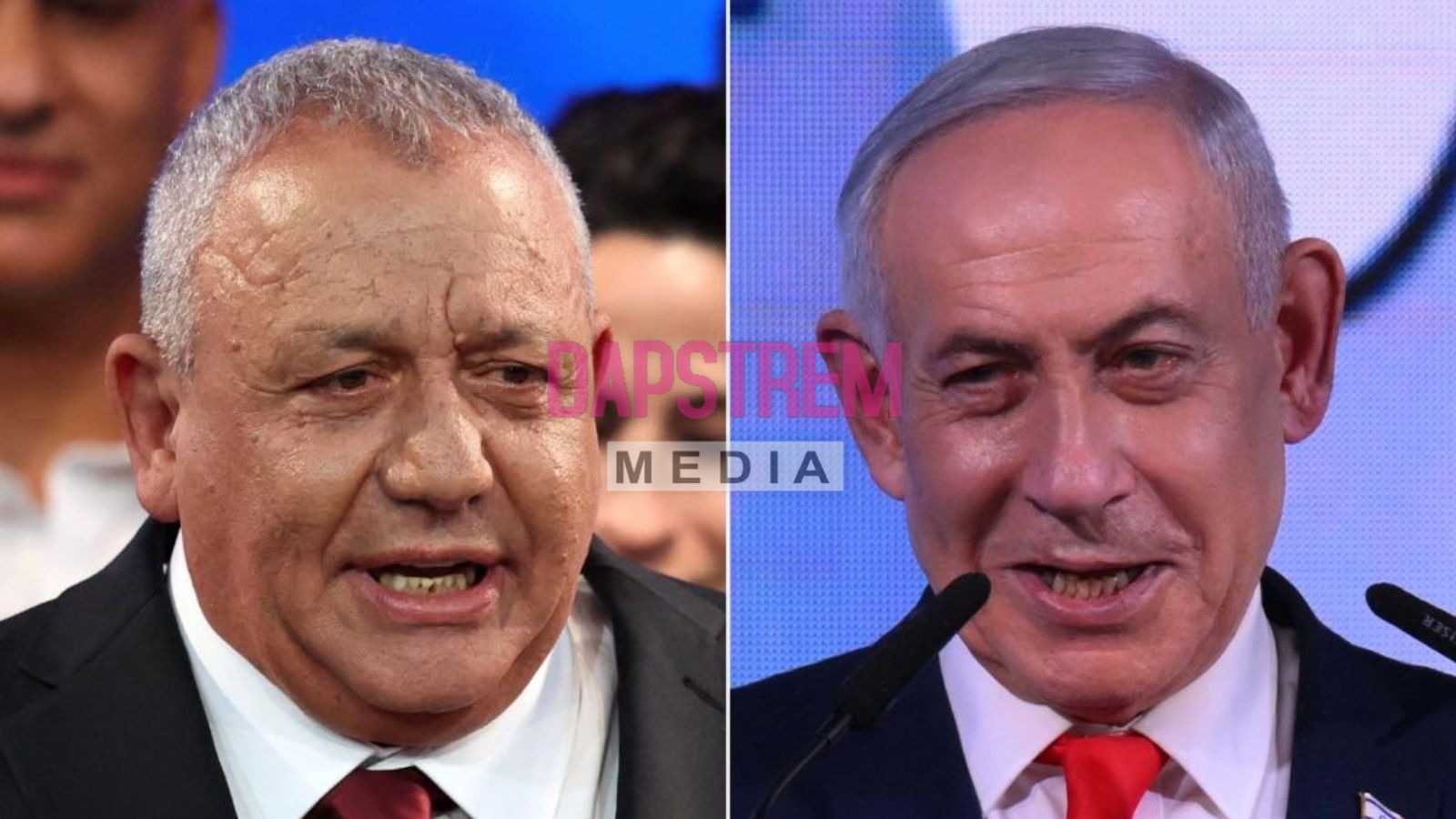
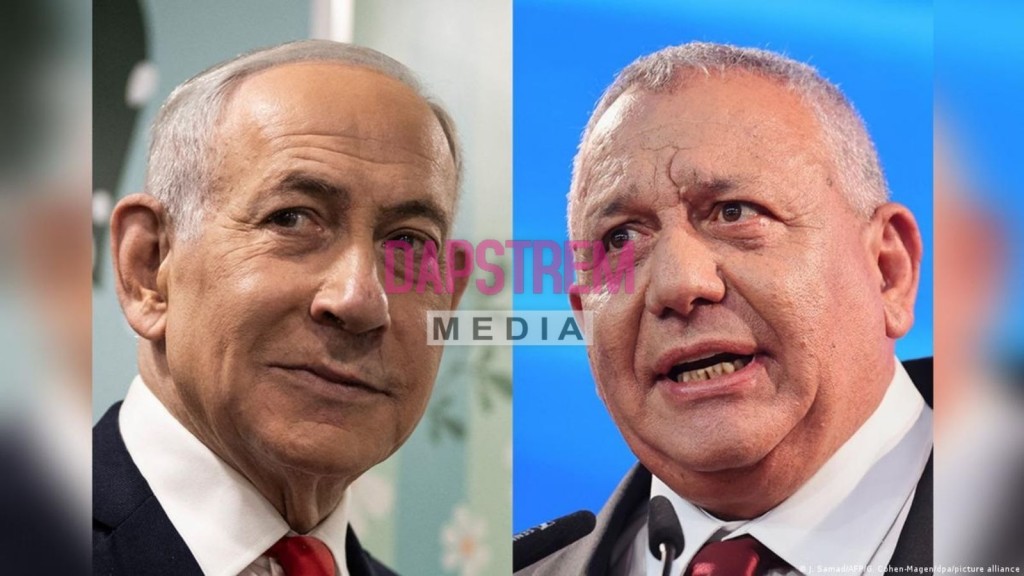
Israel is facing a political deadlock after its October 27, 2026 general election failed to produce a clear winner capable of forming the next government. Prime Minister Benjamin Netanyahu and his main challenger, former military chief Gadi Eisenkot, are both struggling to secure the 61 seats required for a governing majority in the 120-member Knesset.
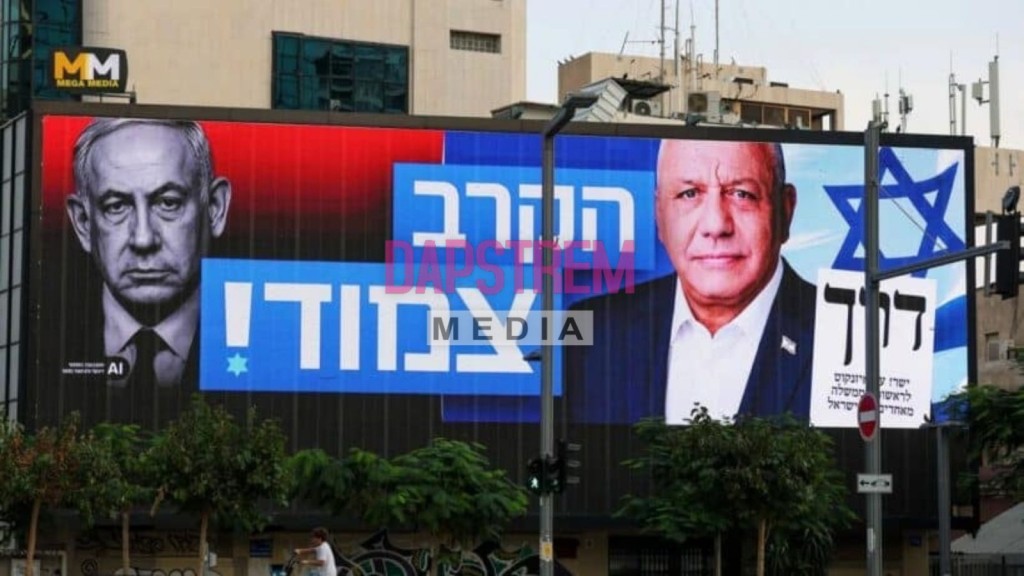
With the election results now in, Netanyahu’s bloc holds 53 seats, while the opposition parties have a combined 67 seats. However, the opposition’s numbers include Arab-led parties, and several Jewish-led opposition groups have ruled out forming a coalition with them.
The result has created a complicated political situation, leaving Israel facing weeks of negotiations and uncertainty over who will lead the country.
Arab-Led Parties Emerge as Key Players
One of the biggest developments in the election was the strong performance of parties representing Israel’s Arab minority.
The Arab-led parties secured a historic combined 19 seats, giving them significant influence over the formation of the next government.
Their support could help Eisenkot’s camp reach the 61-seat threshold. However, working with these parties remains politically sensitive, with some opposition politicians reluctant to enter a government that depends on their support.
The debate has also highlighted the political divisions within Israel, particularly over the role of Arab citizens and their elected representatives in national decision-making.
According to Reuters, Eisenkot’s camp has 48 seats without the Arab-led parties. Together, the opposition and Arab parties could reach 67 seats, although political disagreements remain a major obstacle.
Netanyahu Still Has a Chance to Remain in Power
Despite failing to secure a majority, Netanyahu has not automatically lost his position as prime minister.
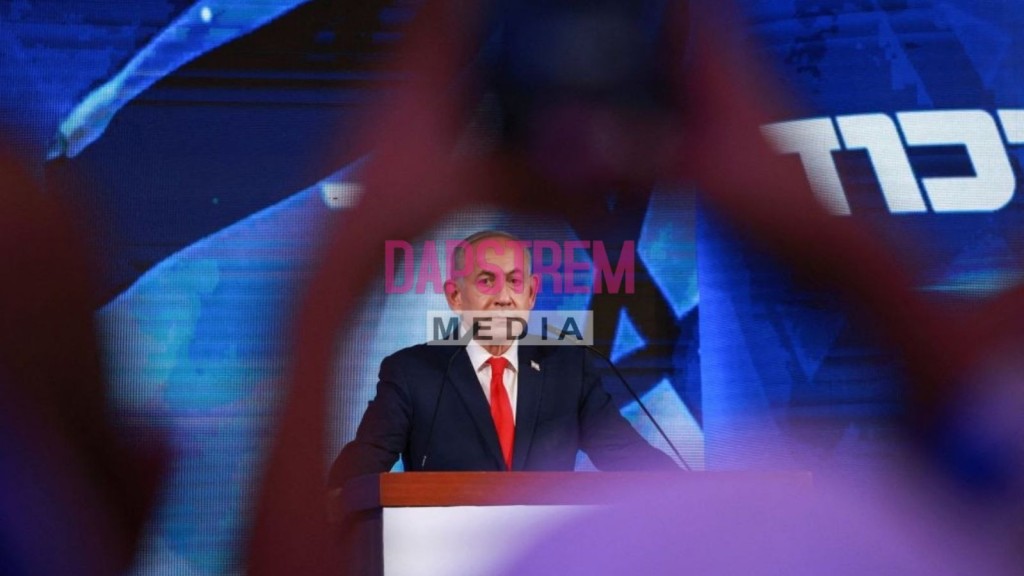
His Likud party emerged as the largest individual party, and he could attempt to attract members from other political groups to build a governing coalition.
Netanyahu has also met with key allies, including National Security Minister Itamar Ben-Gvir and Finance Minister Bezalel Smotrich, as his political camp considers its next steps.
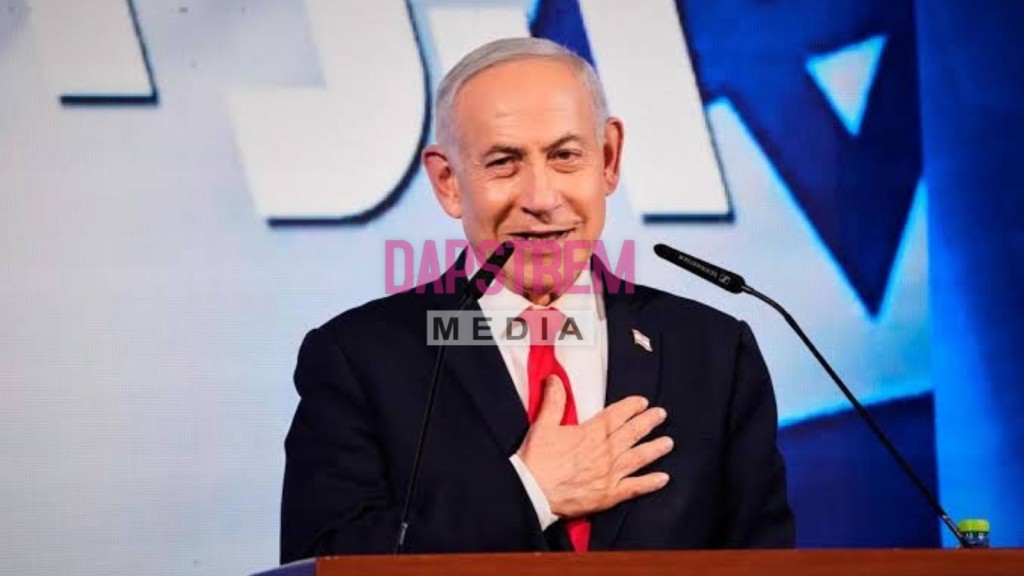
However, his current bloc remains eight seats short of the required majority. Whether he can persuade other politicians to join him will be a major question during the negotiations.
For now, Netanyahu remains in office in a caretaker capacity while the political process continues.
Could Israel Form a Unity Government?
Another possibility is a national unity government involving politicians from both major political camps.
Such an arrangement could bring together Netanyahu’s Likud party and some of the opposition groups led by Eisenkot and other political figures.
A unity government could potentially provide the numbers needed to reach a parliamentary majority. It could also allow parties with different political positions to negotiate shared priorities.
However, the option faces serious challenges. Eisenkot and other opposition leaders campaigned on removing Netanyahu from power, making an agreement with him difficult to justify to their supporters.
There are also disagreements over important domestic issues, including military service exemptions for ultra-Orthodox Jewish men, national security and accountability for the October 7, 2023 attacks.
What Happens If Negotiations Fail?
Israel’s political system provides a process for dealing with elections that produce no clear governing majority.
President Isaac Herzog is expected to consult political parties before selecting the candidate he believes has the best chance of forming a government.
That candidate will then have a limited period to negotiate with other parties and assemble a coalition. If the first candidate fails, another politician may be given an opportunity.
If no one succeeds within the constitutional process, Israel could be forced into another general election.
This would mean another period of political campaigning and uncertainty, while the existing government continues operating in a caretaker capacity.
Israel has experienced repeated elections in the past, including five national votes between 2019 and 2022, demonstrating how difficult it can be for political parties to build stable coalitions in a fragmented parliament.
What the Election Means for Israel
The election has exposed deep political divisions within the country. Voters have delivered a parliament in which neither major political camp can easily govern without making difficult compromises.
The strong performance of Arab-led parties has also brought their political influence to the centre of the debate, while Netanyahu faces the challenge of rebuilding the parliamentary support that his outgoing government previously enjoyed.
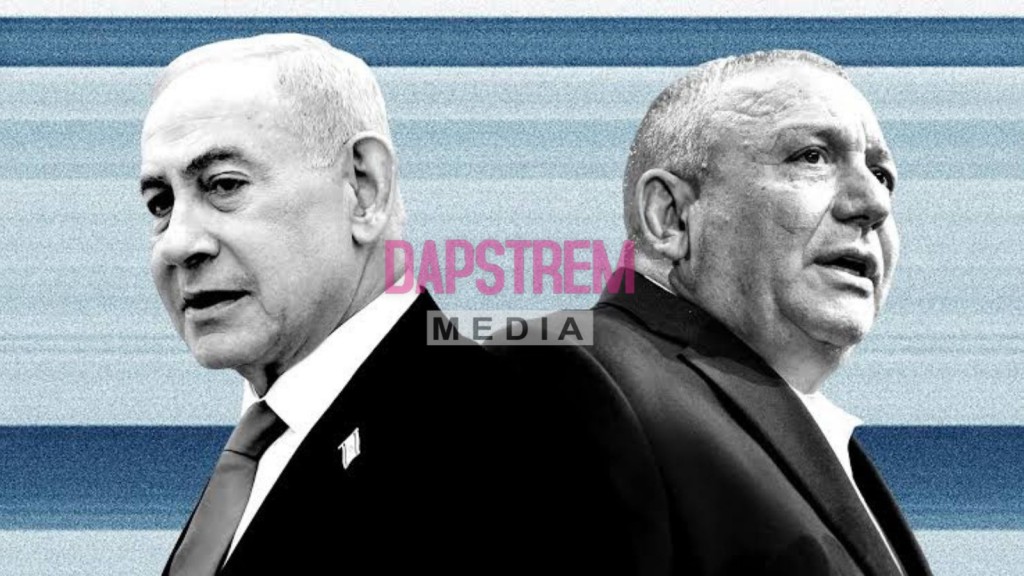
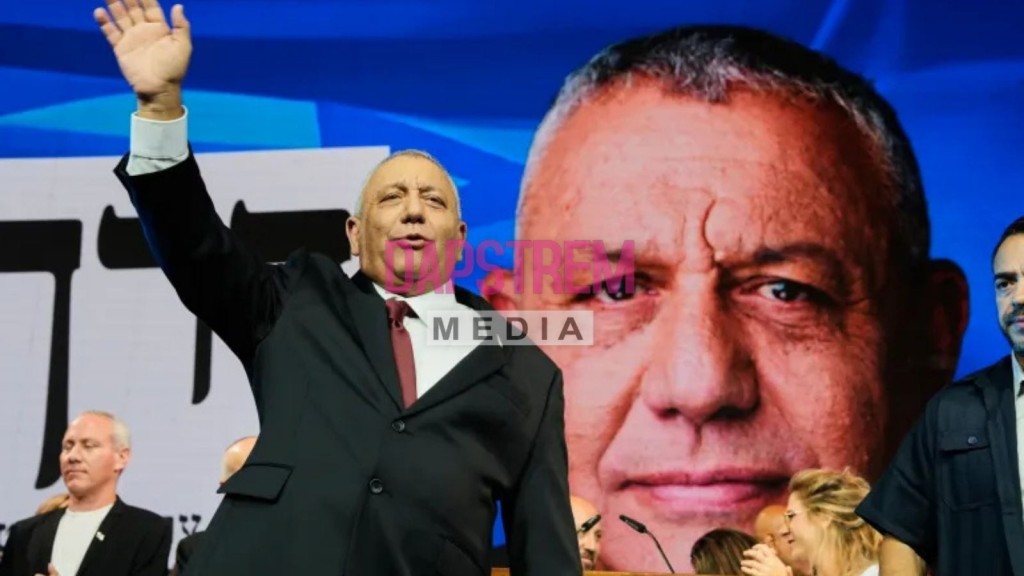
For Eisenkot, the results present an opportunity to lead an alternative government, but he must overcome disagreements within his own political camp.
The immediate question is no longer simply who won the most votes. It is whether any political leader can bring enough parties together to secure the 61 seats required to govern.
Until that happens, Israel faces an uncertain political future, with coalition negotiations, a possible unity government and another election all remaining potential outcomes.