Six in 10 Ebola Deaths in DRC Occur Outside Treatment Centres as Outbreak Intensifies
The Democratic Republic of the Congo (DRC) is facing a major public health challenge as health authorities continue to battle a deadly Ebola outbreak, with approximately six in every 10 reported Ebola deaths occurring outside designated treatment centres. The situation has raised concerns about delayed diagnosis, limited access to medical care and the difficulties health workers face in identifying infected people before their conditions deteriorate.
The World Health Organization (WHO) has warned that the high number of deaths occurring within communities points to persistent gaps in early case detection and access to appropriate treatment. According to its October 8, 2026, situation update, 264 of the 372 deaths reported during the preceding reporting period occurred in communities, compared with 108 in treatment centres. This means that roughly seven in every 10 deaths in that particular period occurred outside treatment facilities, although broader outbreak indicators have placed the proportion at around six in 10.
The figures highlight a troubling reality for communities affected by the outbreak. Many patients are dying before reaching specialised medical facilities, while some cases may only be identified after a patient has died. This complicates efforts to contain the virus because health teams must trace contacts, investigate deaths and identify possible transmission chains after the opportunity for early treatment has already passed.
As the outbreak continues to spread across several provinces, the priority for health authorities is to ensure that infected people are identified quickly, isolated safely and provided with supportive medical care before their conditions become critical.
A deadly outbreak putting pressure on health services
The ongoing outbreak is caused by the Bundibugyo virus, one of the viruses that cause Ebola disease. It has affected several parts of the DRC, particularly the eastern provinces of Ituri and North Kivu, where health workers are facing the difficult task of controlling transmission across communities with different levels of access to healthcare.
According to WHO data published on October 8, the DRC had recorded 8,728 confirmed cases and 4,205 confirmed deaths as of October 6. The reported cases had spread across 64 health zones in seven provinces. The outbreak has continued to grow, with subsequent reports showing further increases in infections and fatalities.
By October 19, the European Centre for Disease Prevention and Control reported that the country had recorded 9,552 confirmed cases and 4,602 deaths, based on data available through October 18. The figures demonstrate the scale of the public health emergency and the pressure facing the country’s healthcare system.
The high number of deaths outside treatment centres is particularly concerning because it suggests that many patients are not receiving specialised care early enough. Ebola can progress rapidly, and people who develop severe symptoms may require close medical monitoring, careful fluid management and treatment for complications.
However, the deaths should not automatically be interpreted as evidence that every patient who died in the community was denied treatment. Some people may have become seriously ill before their condition was recognised, while others may have encountered difficulties reaching medical facilities. Some deaths may also have occurred before Ebola was suspected or confirmed.
Understanding these circumstances is essential if health authorities are to develop effective interventions that address the reasons patients remain outside treatment centres.
Why are so many patients dying outside treatment centres?
One of the major challenges during an Ebola outbreak is recognising the disease during its early stages. Initial symptoms can include fever, fatigue, muscle pain, headache and a sore throat. These symptoms can resemble those of other illnesses, making it difficult for patients and healthcare providers to identify Ebola immediately.
As the disease progresses, patients may develop vomiting, diarrhoea, abdominal pain and other serious complications. Some patients experience bleeding, although bleeding is not present in every case.
In areas where several infectious diseases circulate, an individual experiencing fever and weakness may initially assume they have a common illness. Families may seek treatment from local facilities or attempt to manage symptoms at home before considering the possibility of Ebola.
Such delays can reduce the time available for medical teams to assess patients, conduct laboratory tests and implement appropriate infection prevention measures. When a patient dies before reaching a treatment centre, health workers may also face additional difficulties determining the cause of death and identifying everyone who may have been exposed.
Another challenge is the availability of healthcare facilities. Some affected communities are located far from specialised treatment centres, making transportation difficult, particularly when patients are already seriously ill. Poor road networks, insecurity and limited medical resources can further complicate access to care.
In conflict-affected areas of eastern DRC, insecurity can restrict the movement of health workers and humanitarian teams. These conditions can prevent response teams from reaching some communities quickly, delaying investigations and limiting access to essential services.
Fear and mistrust can also influence decisions about seeking treatment. Some residents may worry about being separated from their families, while others may misunderstand the purpose of isolation facilities. Rumours about the disease or the response can discourage people from reporting symptoms or cooperating with health workers.
These factors can combine to create a dangerous cycle in which patients remain at home for too long, the virus spreads to family members and neighbours, and health authorities discover infections only after several people have become ill.
Médecins Sans Frontières has warned that communities affected by the DRC outbreak have not received sufficient support, while reporting on the response has highlighted shortages, insecurity and difficulties engaging local populations.
The danger of delayed detection
Ebola outbreaks are particularly difficult to control when infected people are not identified before they die or transmit the virus to others.
When a patient is diagnosed early, health workers can arrange isolation, provide appropriate supportive care and identify people who may have been exposed. Contact tracing allows public health teams to monitor those individuals for symptoms and arrange testing or medical assessment when necessary.
However, when an infected person dies at home, the response becomes more complicated. Investigators must determine whether the death was caused by Ebola, identify the deceased person’s recent contacts and establish whether other people may have been exposed during caregiving or other interactions.
The process can be particularly challenging when families have hosted visitors, shared meals or cared for the sick person without knowing that the illness was Ebola.
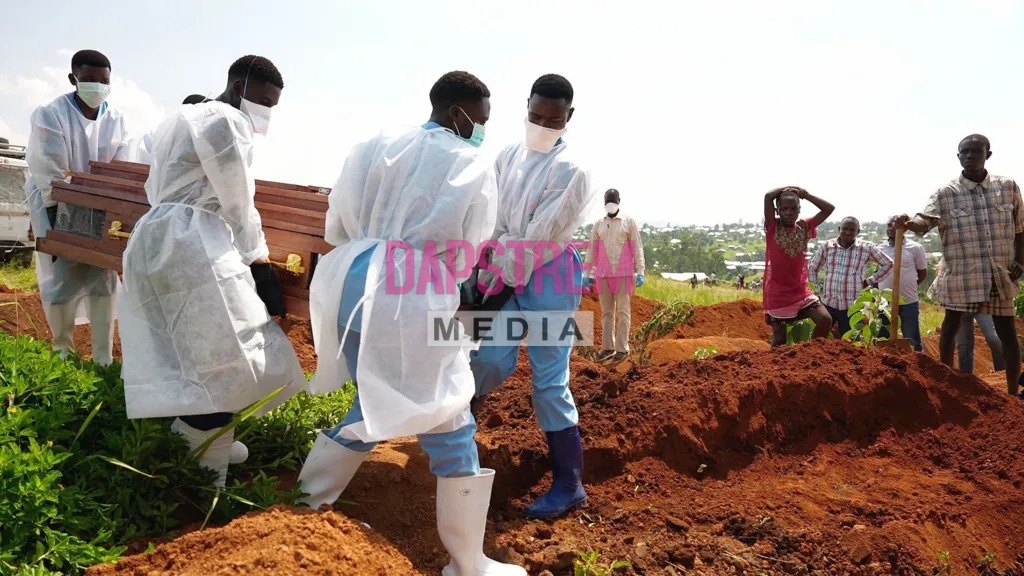
The handling of the body also requires careful precautions. Ebola can spread through direct contact with the blood or other bodily fluids of an infected person, including after death. Traditional funeral practices involving washing, touching or preparing the body can therefore create a risk of transmission if the deceased person had Ebola.
This does not mean that families should abandon their cultural or religious practices. Rather, public health teams need to work with communities to ensure that burials are conducted safely while respecting the dignity of the deceased and the wishes of their loved ones.
Safe and dignified burial teams can help prevent further infections while allowing families to mourn. Their work is especially important in areas where deaths are occurring outside hospitals and the cause of illness may not have been confirmed before death.
The World Health Organization has identified the high number of community deaths, together with delays in identifying patients and reaching appropriate care, as a major concern in the ongoing outbreak.
Treatment centres remain critical in the fight against Ebola
Specialised Ebola treatment centres play an important role in controlling transmission and improving patient care. They provide facilities where suspected or confirmed cases can be assessed, isolated and monitored by trained medical personnel using appropriate infection prevention procedures.
Treatment generally focuses on supportive care, including maintaining hydration, managing symptoms and addressing complications. Early access to appropriate care can improve a patient’s chances of survival, although outcomes depend on several factors, including the severity of the illness and the timing of treatment.
Treatment centres also help reduce the risk of transmission to family members and other people in the community. When patients are cared for in properly equipped facilities, health workers can apply infection prevention and control measures that are difficult to maintain in crowded homes.
However, the existence of treatment centres alone is not enough to stop an outbreak. Patients must be able to reach them, communities must understand when to seek help, and health workers must have the resources required to respond quickly.
The situation is further complicated by differences in capacity between affected areas. The US Centers for Disease Control and Prevention reported in its analysis of the 2026 outbreak that more than half of confirmed Ebola deaths were occurring outside treatment units during the period examined. It also highlighted uneven bed capacity, gaps in laboratory testing and limited coverage of safe burial teams in affected health zones.
These findings suggest that the response needs to extend beyond hospitals and into villages, neighbourhoods and other places where infections are occurring.
Communities must become part of the response
Public health experts have repeatedly emphasised the importance of involving local communities in Ebola prevention and control.
Residents are often the first to notice when a family member becomes ill. They can also help identify possible contacts, share accurate information and encourage people experiencing symptoms to seek medical assessment.
However, this cooperation depends heavily on trust. If residents believe health workers are ignoring their concerns or failing to respect their traditions, they may be less willing to report suspected cases.
Health authorities therefore need to work closely with community leaders, religious leaders, local organisations and trusted health volunteers. These individuals can help explain how Ebola spreads, why early treatment matters and what families should do when someone develops concerning symptoms.
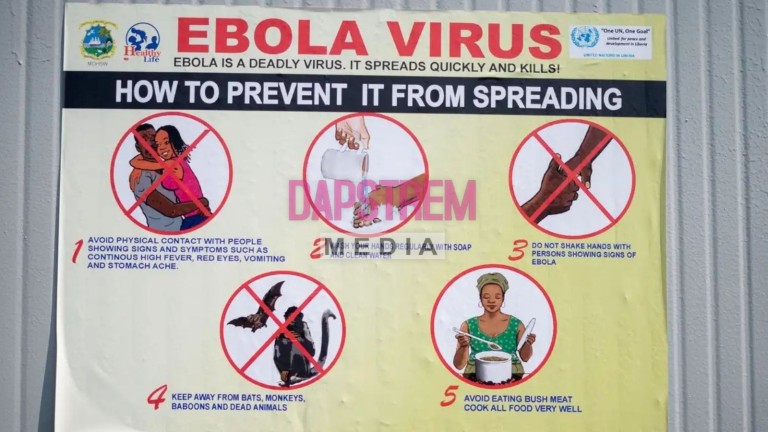
Public awareness campaigns should use local languages and provide clear, practical information. Messages should explain that Ebola is not transmitted simply because people live in the same country or community. The principal risk comes from direct contact with an infected person’s bodily fluids or contaminated materials, particularly when infection prevention precautions are not followed.
Communities also need clear information about where to seek help, how suspected cases are transported and what happens when someone is admitted to a treatment centre.
When families understand these procedures, they may be more willing to report symptoms early rather than wait until a patient becomes critically ill.
At the same time, health workers must listen to residents’ concerns. Communication should not be limited to issuing instructions. Communities need opportunities to ask questions, challenge rumours and explain the practical difficulties they face when seeking care.
Building trust is not an optional part of outbreak management. It is essential to encouraging early reporting, improving contact tracing and preventing infections linked to caregiving and funeral activities.
The need for stronger surveillance and faster testing
Effective surveillance allows health authorities to identify possible cases before the outbreak becomes more difficult to control.
This involves monitoring unusual illnesses and deaths, investigating reports from health facilities and communities, collecting samples and ensuring suspected cases receive timely laboratory testing.
The DRC outbreak has demonstrated the challenges of maintaining these systems across a large geographical area. WHO reported that contact follow-up remained below the response target during the period covered by its October 8 update. It also noted that the high number of community deaths continued to indicate delays in identifying cases and reaching appropriate care.
When contact tracing is incomplete, people who may have been exposed can remain outside the public health system. If they become infected, they may unknowingly expose others before their condition is recognised.
Health authorities must therefore strengthen the ability of response teams to identify contacts, conduct follow-up and arrange testing whenever symptoms appear.
Laboratories also need sufficient supplies, trained personnel and reliable systems for transporting samples from remote communities. Faster results can help health workers make decisions about isolation and care while reducing unnecessary delays.
In areas where insecurity makes access difficult, public health teams may need to coordinate with local organisations and community-based workers who understand the terrain and can help identify people requiring assistance.
The response should also ensure that surveillance teams have the resources to investigate sudden deaths. A death outside a treatment centre should prompt an appropriate assessment when Ebola is suspected, rather than being treated as an isolated event with no connection to the wider outbreak.
Cross-border concerns as the outbreak continues
The situation in the DRC has implications beyond its borders because people regularly travel between countries for work, trade, family responsibilities and other reasons.
In October 2026, Kenya reported an imported case of Bundibugyo virus disease involving a person who had travelled from the DRC through Uganda before arriving in Nairobi. WHO said the patient was isolated and received supportive treatment but subsequently died. Public health authorities initiated contact tracing and other response measures.
The case demonstrated the importance of cross-border cooperation, particularly when people may travel while ill or seek treatment in different locations before receiving an accurate diagnosis.
Neighbouring countries need to maintain surveillance, prepare healthcare facilities to recognise suspected Ebola cases and ensure health workers understand the necessary infection prevention procedures. Border screening can help identify some travellers who may require further assessment, but it cannot detect every infection, especially when a person is not yet showing symptoms.
Countries must therefore combine screening with strong surveillance systems, laboratory capacity, contact tracing and clear communication between health authorities.
Public health officials also need to provide accurate information to the public without creating unnecessary panic. People should understand the symptoms that require urgent assessment and the importance of following medical advice, while avoiding stigma against individuals who have travelled from affected areas.
The World Health Organization has advised against general restrictions on travel to or trade with affected countries, emphasising coordinated public health measures and cross-border collaboration instead.
Supporting health workers on the front line
The people responding to the outbreak face significant risks and difficult working conditions. Medical staff, laboratory personnel, burial teams, contact tracers and community health workers must operate in an environment where rapid decisions can mean the difference between containing an infection and allowing it to spread.
These workers require adequate protective equipment, reliable supplies, training and appropriate working conditions. They also need clear protocols for identifying suspected cases, transporting patients and safely handling potentially infectious materials.
Insufficient resources can undermine the entire response. If healthcare facilities lack the necessary equipment or personnel, patients may experience delays, while medical workers face increased risks of exposure.
Support for health workers must therefore be treated as a central part of outbreak control. This includes ensuring that teams can reach affected communities, providing access to protective equipment and maintaining dependable supply chains for essential medical materials.
International organisations and national authorities also need to coordinate their efforts so that resources reach the areas experiencing the greatest pressure. Effective coordination can reduce duplication, identify unmet needs and help ensure that remote communities are not overlooked.
The response must also consider the emotional burden faced by health workers and families affected by repeated deaths. Ebola outbreaks can leave communities traumatised, particularly when relatives are separated during treatment or when funerals must be conducted under strict safety procedures.
Providing psychological support and communicating with compassion can help families cope with loss while encouraging cooperation with public health measures.
What needs to happen next?
The high proportion of deaths occurring outside treatment centres presents a clear warning that the response must identify and reach patients earlier.
First, authorities need to strengthen community-based surveillance so that suspected infections are reported quickly. Families and local health workers should know how to recognise warning signs and where to seek immediate assistance.
Second, treatment and isolation services must be accessible to people living in remote and insecure areas. This requires reliable patient transport, adequately equipped facilities and sufficient trained personnel.
Third, contact tracing and laboratory testing must be improved to identify infections before additional transmission occurs. Public health teams should also investigate unexplained deaths and ensure that safe and dignified burial services are available wherever necessary.
Fourth, community engagement should remain a priority. Trusted local leaders and health volunteers can help address misinformation, explain preventive measures and encourage people to seek care without fear or stigma.
Finally, governments and international partners need to provide sustained funding and logistical support. Ebola response efforts cannot depend solely on emergency interventions after case numbers rise. Stronger healthcare systems, trained personnel and dependable surveillance are necessary to detect and contain outbreaks before they become more widespread.
These measures must work together. Building additional treatment capacity will have limited impact if patients remain reluctant or unable to seek care. Similarly, public awareness campaigns cannot succeed if communities have no practical way to access medical services.
The challenge is therefore both medical and social. It requires investment in healthcare infrastructure, reliable information, community trust and rapid coordination among all organisations involved in the response.
A warning that cannot be ignored
The finding that approximately six in every 10 Ebola deaths in the DRC occur outside treatment centres is more than a statistic. It reflects the difficulty of detecting infections early, reaching patients in time and preventing further transmission in communities already affected by a serious public health emergency.
Every death outside a treatment centre raises important questions about when the illness was recognised, whether the patient could access care and whether other people may have been exposed.
Although not every death can be prevented, earlier diagnosis and appropriate supportive care can improve outcomes. Prompt identification of cases can also help reduce transmission by allowing health teams to isolate patients safely and monitor those who may have been exposed.
The continuing outbreak demonstrates that the fight against Ebola cannot be won through hospital-based treatment alone. It requires a response that reaches people where they live, addresses the barriers preventing them from seeking care and gives health workers the tools to act quickly.
For the DRC and its neighbours, the immediate priority remains protecting lives, reducing new infections and ensuring that suspected cases are identified before it is too late. The effectiveness of that response will depend on whether authorities can close the gap between the onset of illness and access to appropriate care.
As the outbreak continues, stronger community engagement, faster testing, accessible treatment and coordinated cross-border surveillance will be essential to bringing transmission under control.