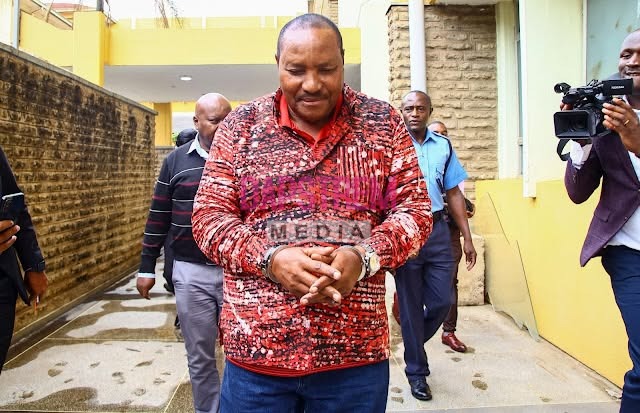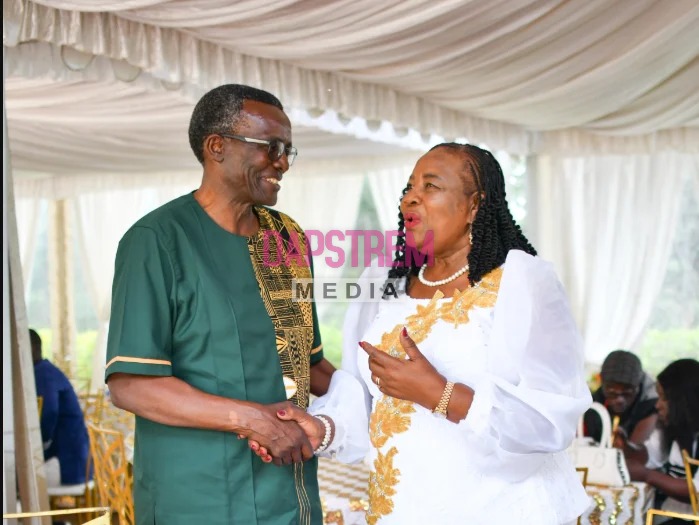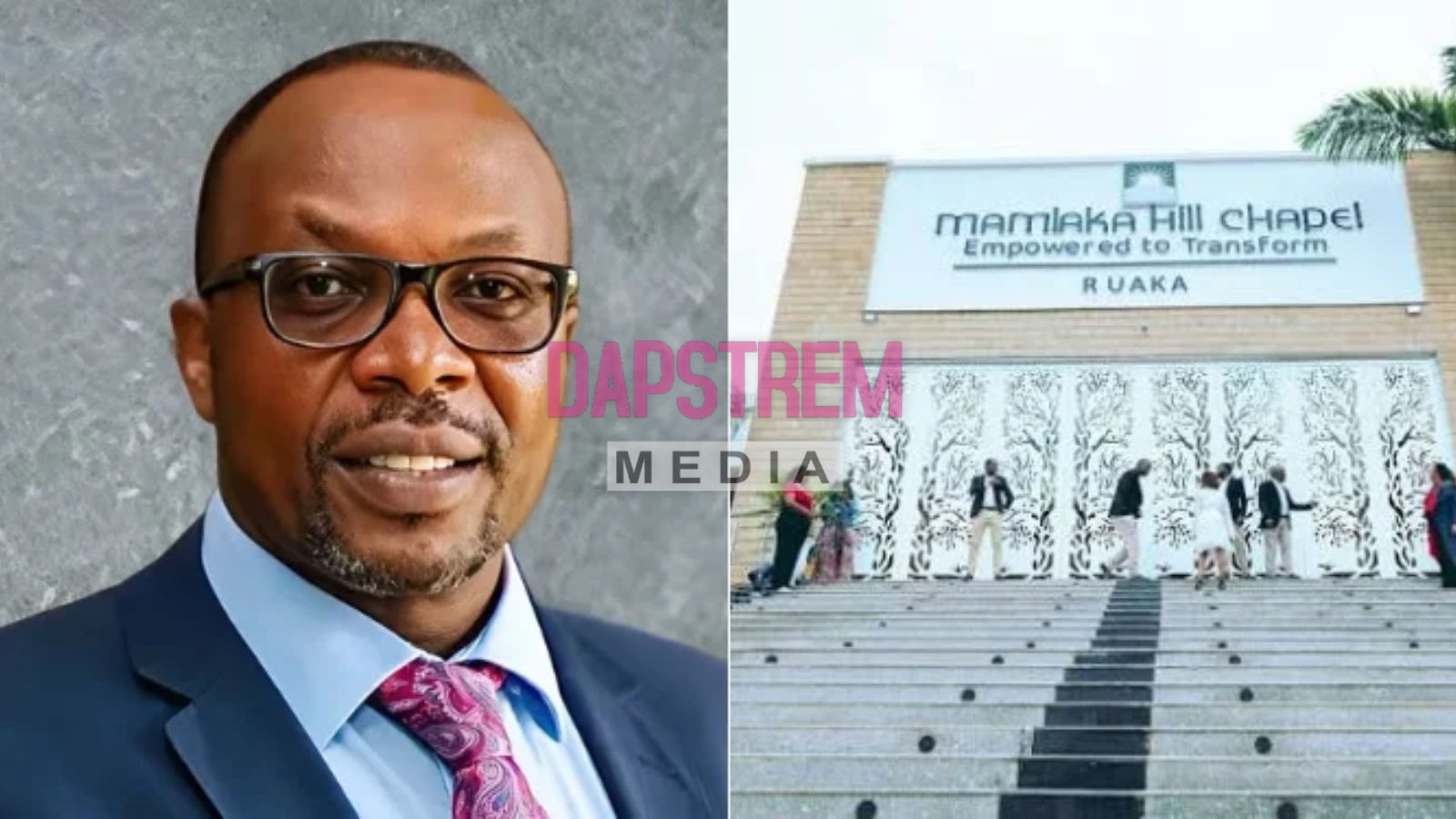
Mamlaka Hill Chapel founder and Bishop Charles Muhia Ng’ang’a has moved to the Employment and Labour Relations Court in Nairobi to challenge his dismissal from the church, seeking reinstatement, more than KSh21 million in compensation and accrued leave benefits.
In his petition, Ng’ang’a accuses four church officials of overseeing a disciplinary process that he says violated his right to a fair hearing. He is also challenging their authority to remove him as bishop, revoke his ordination and appoint Rev. Richard Maulo Munala as acting bishop.
The case places the church’s employment arrangements, internal disciplinary procedures and governance structures at the centre of a legal dispute between its founding leader and senior officials.
How the dispute unfolded
According to court documents cited by Kenyan media, Ng’ang’a says he founded Mamlaka Hill Chapel in August 2005. He later entered into an employment contract as senior pastor in January 2011 and was ordained bishop in November 2019.
His dispute with the church leadership escalated in 2026 after he was suspended on March 27 and subsequently dismissed on June 25.
Ng’ang’a says he received a notice to show cause on June 11, accusing him of gross misconduct. He maintains that he requested details of the complaints, supporting evidence and clarification on the authority of the officials handling the disciplinary proceedings.
He was reportedly required to respond by June 22 and attend a disciplinary hearing on June 23. In his petition, he argues that the time provided was insufficient to prepare his defence and arrange witnesses, including a pastor based in the United States.
Although he attended the hearing, Ng’ang’a claims his request for additional time was not adequately addressed. He further alleges that no complainants or witnesses testified before the panel and that the evidence against him was not presented or examined in his presence.
He says he received his dismissal letter two days after the hearing
Bishop challenges authority of church elders
Beyond contesting the fairness of the hearing, Ng’ang’a is questioning whether the officials who handled his case had the authority to suspend and dismiss him.
The four respondents named in the petition are Jonathan Njoroge, Rev. Richard Maulo Munala, James Chege and Geoffrey Kibathi Mbugua.
Ng’ang’a argues that the officials, acting as the church’s Elders’ Court, lacked the authority to take disciplinary action against him or appoint Munala as acting bishop.
According to his court filings, a communication circulated on June 26 informed church staff, congregants and international pastors of his removal as bishop, the revocation of his ordination and the withdrawal of recognition of him as a reverend.
He also claims he was removed from official staff WhatsApp groups following the decision.
The dispute therefore extends beyond his employment contract to questions about the relationship between the church’s internal governance arrangements and the authority to determine its spiritual leadership. Those questions remain subject to the court’s consideration.
Internal appeal failed to reverse dismissal
Ng’ang’a says he lodged an internal appeal on June 27, challenging the decision to terminate his employment.
However, he questions the independence of the appeal process, arguing that the same officials involved in the initial disciplinary proceedings appointed the committee that reviewed his case.
The appeal committee upheld his dismissal on July 17, according to the petition.
Through his lawyers, Kiragu Wathuta and Company Advocates, Ng’ang’a is asking the court to declare the disciplinary process and dismissal unlawful. He also wants an order restoring him to his position without loss of salary, benefits, status or seniority.
His petition argues that the process infringed his rights to fair labour practices, fair administrative action and human dignity. These are claims advanced by the bishop and have not, on the available reporting, been established as findings of the court.
Church officials dispute his account
The respondents have disputed Ng’ang’a’s account of the disciplinary process.
According to a report by The Star, a replying affidavit sworn by Geoffrey Kibathi Mbugua on September 30 maintains that the Elders’ Court was properly constituted and ratified by the congregation.
The respondents argue that Ng’ang’a’s employment contract, rather than the church constitution, governs the employment relationship. They also maintain that he received sufficient notice and an opportunity to respond to the allegations, but did not make representations at the hearing.
They further argue that the four officials should not be held personally liable because the employment contract was between Ng’ang’a and the church.
Two church members, Professor Onesmus Muroki Thuo and Winnie Maru, have separately applied to join the proceedings as interested parties. They argue that the dispute affects the congregation’s rights to elect its elders and determine its spiritual leadership.
In a separate application, Ng’ang’a is asking the court to suspend implementation of his dismissal while the case is pending. He also wants orders protecting his access to church premises and duties and preventing Munala from serving as bishop until the dispute is determined.
These are requests for interim relief, distinct from his final claims for reinstatement and compensation. The available reports do not establish that the court has granted these orders or made a final determination on the legality of the dismissal.
The case is therefore at a stage where the parties’ competing accounts and legal arguments remain central to the dispute.