Kenyan motorists could face further pressure at the pump after two oil tankers carrying petroleum products destined for the country were immobilised by drone strikes in the Strait of Hormuz, raising fresh concerns over fuel deliveries amid escalating tensions in the Middle East.
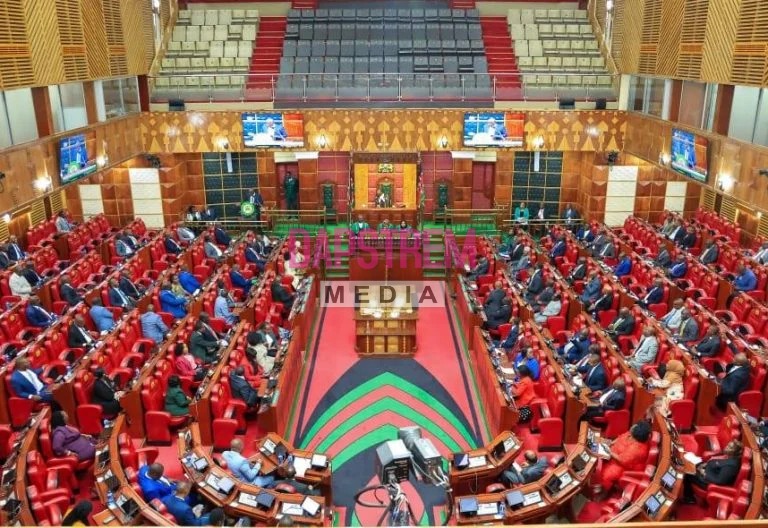
Energy and Petroleum Regulatory Authority (EPRA) Director-General Edward Kinyua disclosed the incident while appearing before the National Assembly’s Special Funds Accounts Committee. He said the attacks damaged the vessels’ engines, leaving them unable to continue their journeys as planned.
However, Kinyua reassured lawmakers that the petroleum products aboard the tankers remained safe. The immediate challenge, he explained, was transferring the cargo to replacement vessels, a process that could take approximately 60 days.
The disclosure comes as Kenyans grapple with higher fuel prices following the latest monthly review by EPRA, which took effect on October 15 and runs until November 14, 2026.
Fuel Prices Already on the Rise
The tanker disruption comes against a backdrop of rising international petroleum costs and higher prices for Kenyan consumers.
Under the latest EPRA review, the price of super petrol increased by Sh12.33 per litre, diesel by Sh9.90, and kerosene by Sh28.49.
Kerosene recorded the largest increase following the withdrawal of its government subsidy, which had previously helped keep the fuel considerably cheaper than diesel.
The latest developments have heightened concerns about the possibility of additional pressure on household budgets, transport operators, farmers and businesses that depend heavily on petroleum products.
Although the tanker attacks could delay deliveries, they do not automatically mean another pump-price increase. The ultimate effect will depend on global oil prices, the availability and cost of replacement cargoes, shipping expenses and the timing of future fuel-price reviews.
Strait of Hormuz Crisis Threatens Supply Routes
According to Kinyua, the attacks occurred amid escalating tensions involving Iran and Saudi Arabia, with vessels associated with Saudi Arabia coming under threat.
The Strait of Hormuz is one of the world’s most strategically important maritime routes for petroleum shipments. Disruptions in the waterway can affect the movement of oil and refined petroleum products, increasing shipping costs and uncertainty for importing countries.
Kenya relies heavily on imported petroleum products, making it vulnerable to international price fluctuations, shipping disruptions and higher insurance costs.
The latest incident illustrates how conflict thousands of kilometres away can have consequences for motorists and businesses in East Africa.
Government Relies on Saudi Fuel Supply Deal
Despite the disruption, the government maintains that Kenya’s fuel supply remains protected through its Government-to-Government (G-to-G) petroleum procurement arrangement with Saudi suppliers.
Kinyua told lawmakers that the arrangement was helping safeguard supplies despite the difficulties affecting shipments from the Gulf.
Earlier, Energy Cabinet Secretary Opiyo Wandayi said the country had adequate fuel stocks and that cargoes were continuing to arrive and be offloaded despite disruptions in the international market.
However, the government has also acknowledged that the crisis is increasing import costs. Officials have indicated that suppliers are exploring alternative sources, including Singapore, where petroleum products may be more expensive.
The availability of replacement cargoes and the speed at which affected shipments can be transferred will therefore be important in determining whether the incident creates a significant supply challenge for Kenya.
What It Means for Motorists
For motorists, the immediate concern is whether the tanker disruption will translate into another round of price increases.
Kenya’s monthly fuel-pricing system means changes in international petroleum costs can take time to filter through to local pump prices. Higher freight charges, insurance premiums and the cost of securing alternative supplies can all contribute to the final price.
Transport operators may also face increased operating expenses if fuel costs rise further, potentially putting additional pressure on fares and the prices of goods moved by road.
Nevertheless, there is currently no confirmed additional pump-price increase directly attributed to the two damaged tankers. The cargo remains safe, according to EPRA, and the government says its supply arrangements are intended to limit disruptions.
The situation will depend largely on developments in the Middle East and the ability of suppliers to restore the affected deliveries.
The drone strikes that immobilised two fuel tankers bound for Kenya have exposed the country’s vulnerability to disruptions in international petroleum supply chains at a time when motorists are already paying more for fuel.
While EPRA says the cargo remains safe and the government is relying on its Saudi supply arrangement to protect availability, the estimated 60-day transfer period presents a logistical challenge.
For now, the key questions are whether alternative shipments can prevent shortages and whether the rising cost of securing fuel supplies will put further pressure on consumers.
As tensions in the Middle East continue, Kenyan motorists and businesses will be watching closely for any signs that the disruption could lead to additional costs at the pump.